
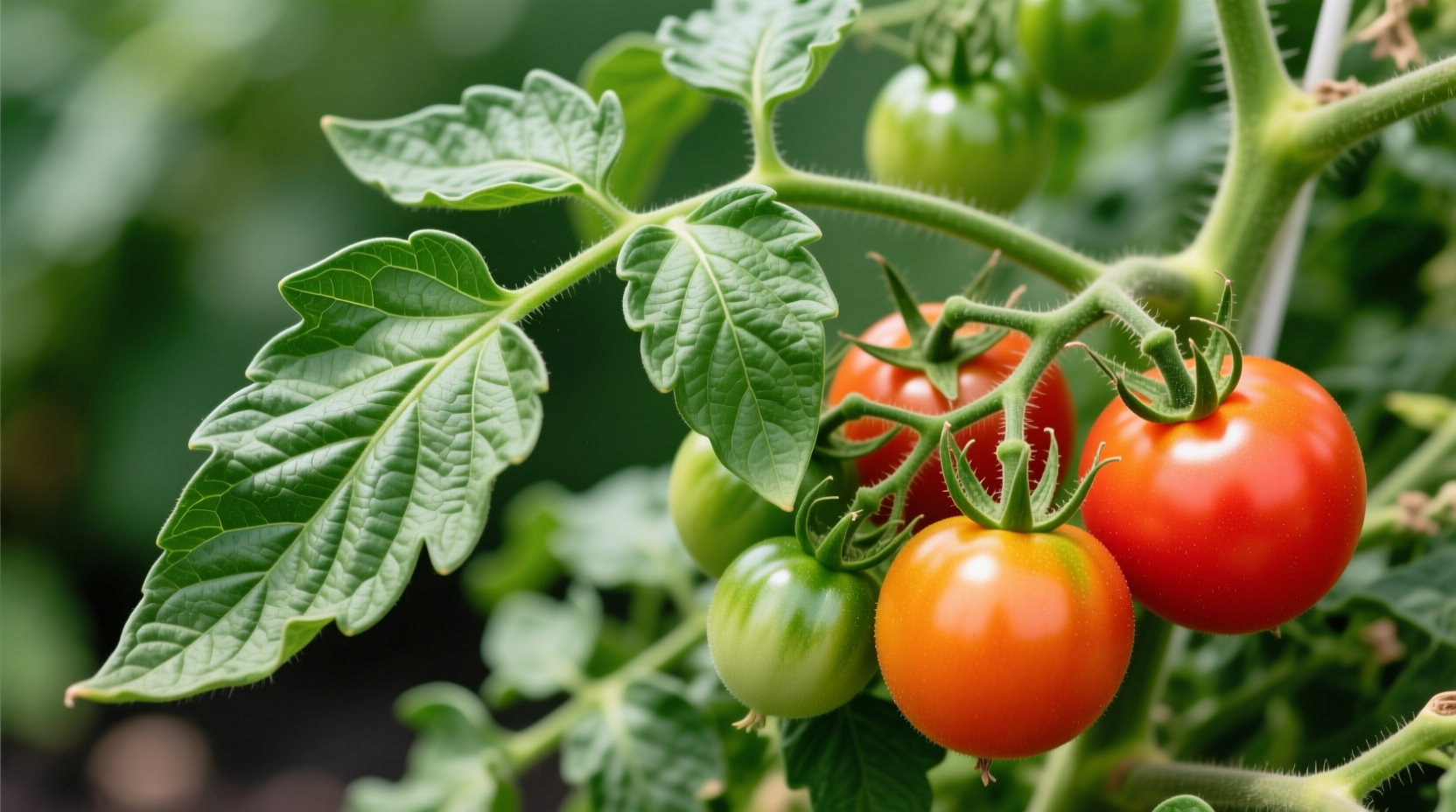
For gardeners, home cooks, and parents concerned about plant safety, understanding the actual risks of tomato foliage is essential. This evidence-based guide separates fact from fiction about tomato leaf toxicity, providing practical safety information grounded in botanical science.
Understanding Tomato Plant Chemistry
Tomato plants (Solanum lycopersicum) belong to the nightshade family (Solanaceae), which includes other common vegetables like potatoes, eggplants, and peppers. Like many plants, tomatoes produce natural compounds as defense mechanisms against pests and diseases.
The primary compound in tomato leaves is tomatine, a glycoalkaloid that gives unripe green tomatoes their characteristic bitterness. While tomatine shares structural similarities with solanine (found in potatoes), it has significantly lower toxicity in humans.
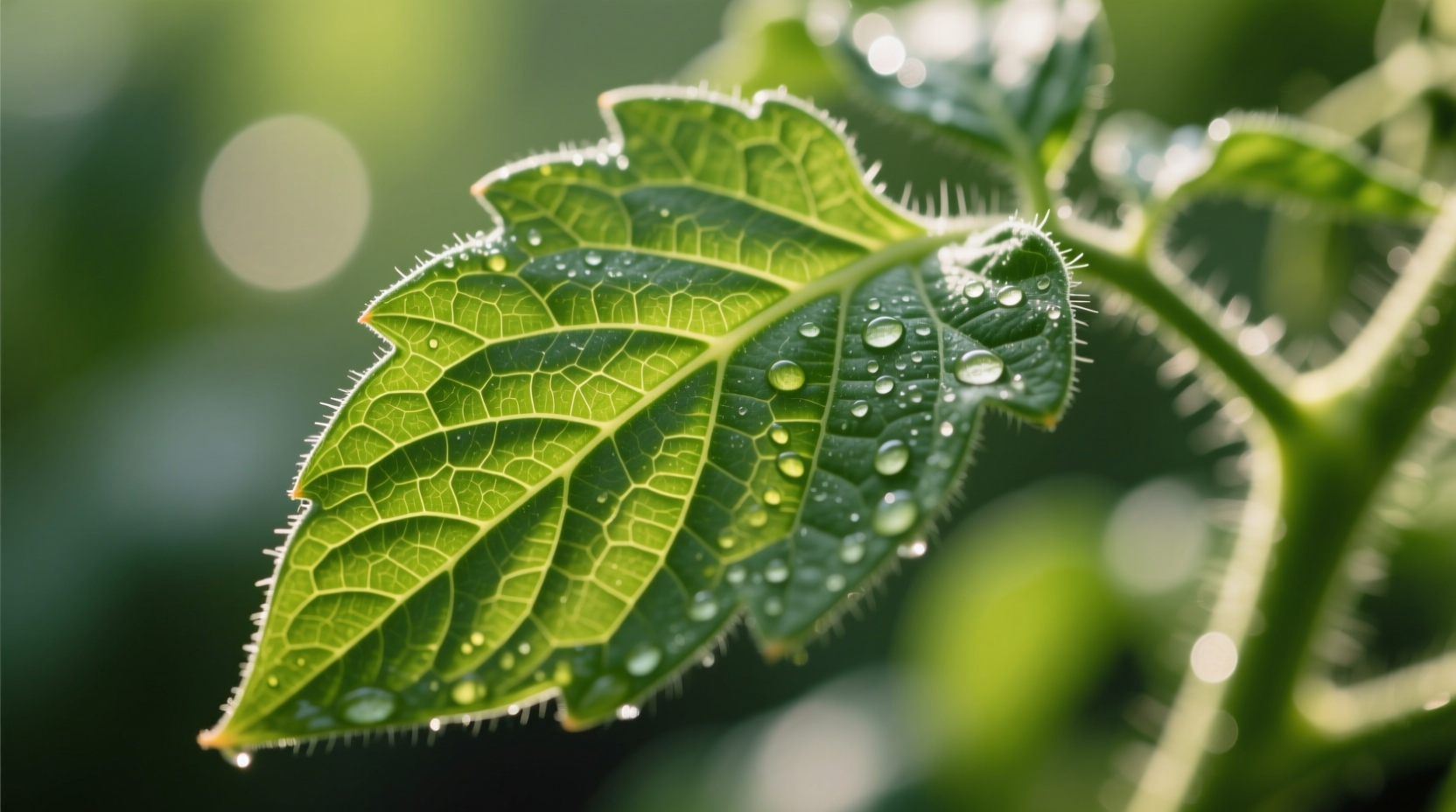
Scientific Evidence on Tomato Leaf Safety
Multiple studies have examined the toxicity of tomatine. Research published in the Journal of Agricultural and Food Chemistry indicates that tomatine's toxicity to mammals is relatively low compared to other glycoalkaloids. The compound actually demonstrates potential health benefits in controlled amounts, including antimicrobial and anti-inflammatory properties.
| Compound | Found In | Relative Toxicity | Human Effects |
|---|---|---|---|
| Tomatine | Tomato leaves & green tomatoes | Low | Mild GI upset in large quantities |
| Solanine | Green potatoes | Moderate | Nausea, headache, neurological symptoms |
| Scopolamine | Deadly nightshade | High | Severe neurological effects, potentially fatal |
Realistic Risk Assessment
Understanding the actual danger requires context about exposure levels. According to the Centers for Disease Control and Prevention, no documented cases of serious poisoning from tomato leaves exist in medical literature. The American Association of Poison Control Centers reports fewer than 10 annual calls related to tomato plant exposure, with no severe outcomes.
Research suggests an adult would need to consume approximately 0.5-1 pound of raw tomato leaves to experience any significant symptoms. This explains why accidental ingestion of one or two leaves while gardening or harvesting tomatoes poses negligible risk.
Practical Safety Guidelines for Different Scenarios
For Home Gardeners
When handling tomato plants during regular gardening activities:
- Wear gloves if you have sensitive skin (some people experience mild dermatitis)
- Wash hands after gardening before eating
- Don't compost large quantities of leaves where pets might access them
For Cooks and Food Preparers
While tomato leaves aren't recommended for culinary use:
- Accidental inclusion of one or two leaves in sauces or preserves won't make food unsafe
- Remove any leaves before processing tomatoes for canning
- Don't intentionally add tomato leaves to dishes, as their bitterness affects flavor
For Parents and Pet Owners
Special considerations for vulnerable populations:
- Supervise young children in gardens to prevent leaf chewing
- While serious poisoning is unlikely, contact poison control (1-800-222-1222) if a child consumes multiple leaves
- Dogs and cats may experience mild stomach upset from chewing tomato plants
- Horses and livestock should not have regular access to tomato plants
Common Misconceptions About Tomato Leaves
Several myths persist about tomato plant toxicity:
Myth: Tomato leaves are as dangerous as deadly nightshade
Fact: Deadly nightshade (Atropa belladonna) contains highly toxic tropane alkaloids, while tomato plants contain much less toxic glycoalkaloids.
Myth: All parts of the tomato plant except the fruit are poisonous
Fact: While leaves contain tomatine, the compound breaks down significantly when cooked and has low bioavailability in humans.
Myth: Tomato leaf tea is dangerously toxic
Fact: While not recommended, occasional consumption of tomato leaf tea hasn't been associated with adverse effects in documented cases, though scientific research is limited.
When to Seek Medical Attention
Serious reactions to tomato leaves are extremely rare, but consult a healthcare provider if someone experiences:
- Severe vomiting or diarrhea lasting more than 24 hours
- Difficulty breathing
- Neurological symptoms like confusion or dizziness
For immediate guidance, contact the American Association of Poison Control Centers at 1-800-222-1222. Their experts can provide specific advice based on the exposure details.
Conclusion: Balanced Perspective on Tomato Plant Safety
Tomato leaves contain natural compounds that serve as the plant's defense system, but they're not dangerously poisonous in typical exposure scenarios. Understanding the actual risk levels—rather than fearing all contact with tomato plants—allows gardeners and cooks to enjoy these popular vegetables safely.
While intentionally consuming large quantities of tomato leaves isn't advisable, accidental ingestion of small amounts poses minimal risk to most people. As with many plants, moderation and common sense provide the best approach to enjoying tomatoes safely from garden to table.




 浙公网安备
33010002000092号
浙公网安备
33010002000092号 浙B2-20120091-4