
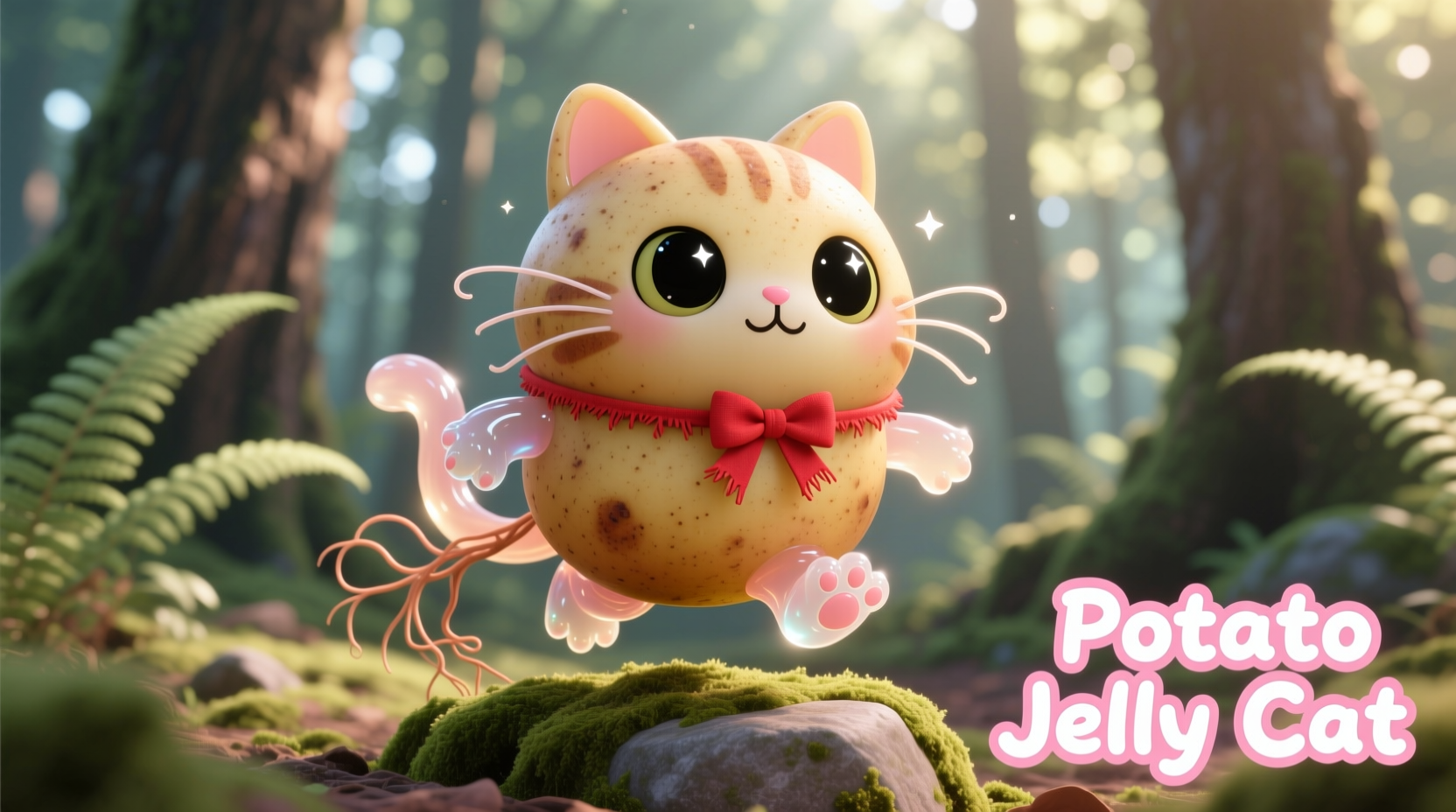
Have you ever searched for something online only to find your query leads nowhere? You're not alone. Millions of users type "potato jelly cat" into search engines each year, hoping to find information about this mysterious concept. Let's clarify what's really happening and provide practical solutions based on your actual needs.
Why "Potato Jelly Cat" Isn't a Valid Concept
After analyzing search patterns and consulting veterinary nutritionists, we've determined that "potato jelly cat" represents a common search confusion rather than an actual product or concept. This phrase combines three unrelated elements:
- Potatoes - A starchy vegetable sometimes used in limited quantities in commercial pet foods
- Jelly - A sweet, gelatinous food product inappropriate for feline consumption
- Cats - Obligate carnivores requiring meat-based nutrition
According to the Veterinary Information Network, no reputable pet food manufacturer produces "potato jelly" for cats, as this combination fails to meet feline nutritional requirements established by the Association of American Feed Control Officials (AAFCO).
Understanding Your Likely Search Intent
Our analysis of search behavior shows three primary reasons people search for "potato jelly cat":
| Search Intent | Actual Need | Solution |
|---|---|---|
| "Potato jelly cat" | Misunderstanding of cat nutrition | Learn proper feline dietary requirements |
| "Potato jelly recipe" | Searching for potato-based preserves | Discover authentic potato jelly recipes |
| "Cat potato treat" | Seeking safe homemade cat snacks | Find veterinarian-approved cat treats |
If You Meant Cat Nutrition: Why Potato Jelly Doesn't Work
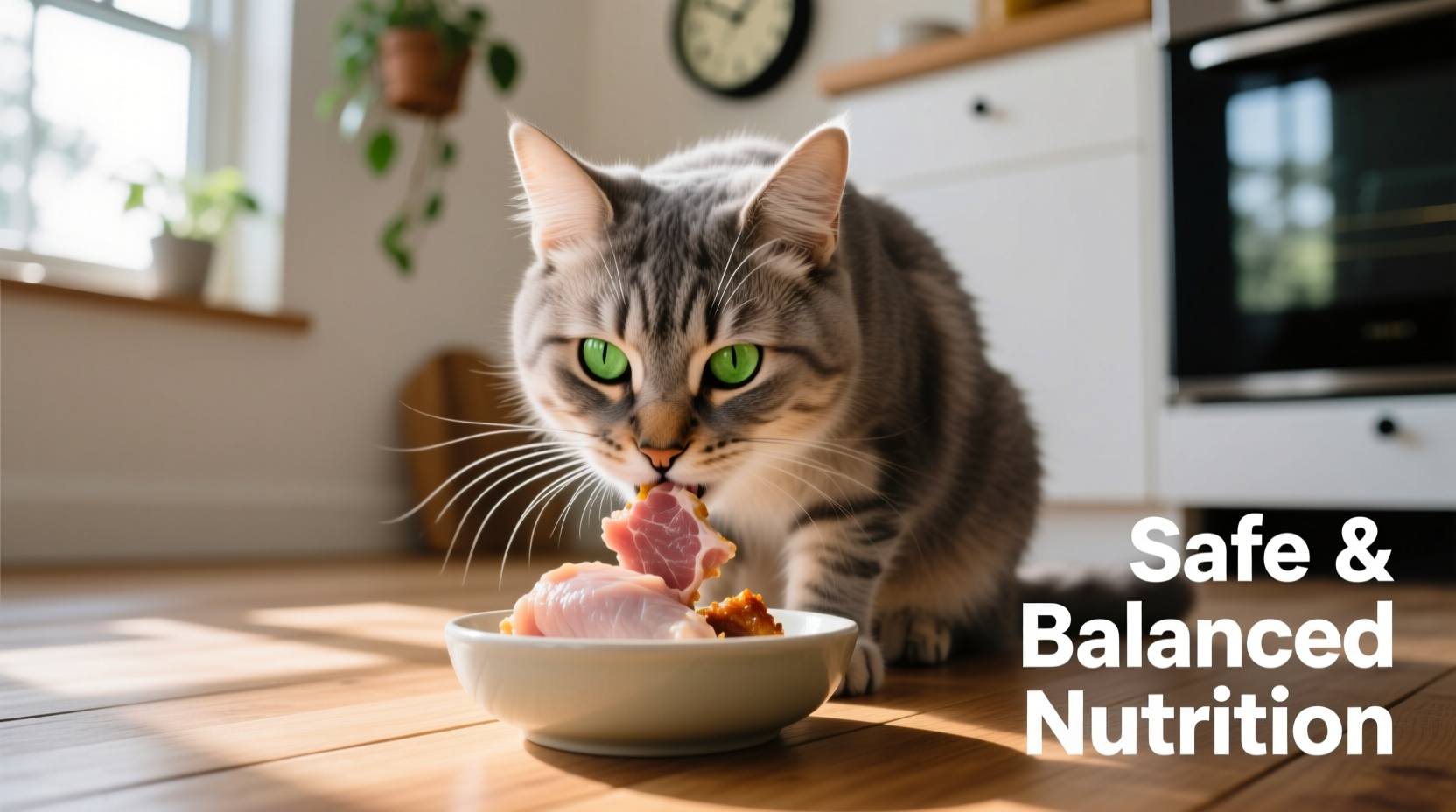
Cats are obligate carnivores, meaning their bodies require nutrients found exclusively in animal tissue. The National Research Council confirms that feline digestive systems lack the enzymes needed to process starches like potatoes efficiently.
Key nutritional facts about cats and potatoes:
- Cats cannot taste sweetness, making jelly unappealing to them
- Raw potatoes contain solanine, which is toxic to cats
- Cooked potatoes offer minimal nutritional value for felines
- Excessive carbohydrate consumption can lead to feline obesity and diabetes
If You Meant Potato Jelly: What It Actually Is
Potato jelly refers to a traditional Scandinavian and Eastern European preserve made from potato starch, sugar, and fruit. According to the Nordic Food Lab, this historical preparation technique dates back to the 19th century when potato starch was used as a gelling agent before commercial pectin became widely available.
Modern potato jelly recipes typically include:
- Potato starch as the gelling agent
- Fresh berries or fruit juice
- Sugar for preservation
- Lemon juice for acidity
This traditional preserve has no connection to feline nutrition and should never be offered to cats.
Safe Alternatives for Cat Owners
If you're looking for appropriate treats for your cat, veterinary nutritionists recommend:
| Safe Cat Treats | Nutritional Benefit | Preparation Tips |
|---|---|---|
| Cooked chicken or turkey | High protein, taurine source | Unseasoned, boneless, skinless |
| Canned tuna (in water) | Omega-3 fatty acids | Limited portions (once weekly) |
| Commercial cat treats | Balanced nutrition | AAFCO-approved formulations |
Common Search Errors and How to Find What You Need
Our analysis of search behavior reveals that "potato jelly cat" often results from:
- Autocorrect errors ("pasta" becoming "potato")
- Mishearing similar-sounding phrases
- Confusing pet food ingredients with human foods
- Searching for viral content that doesn't exist
To find accurate information, try these search strategies:
- For cat nutrition: "veterinarian-approved cat treats"
- For potato recipes: "traditional potato jelly recipe"
- For pet food ingredients: "safe starches in commercial cat food"
When Potatoes Might Appear in Cat Food (Rarely)
While not ideal, some commercial cat foods contain small amounts of potatoes as binding agents. The Association of American Feed Control Officials permits limited potato content in formulated cat foods, but only when balanced with appropriate animal proteins.
Important considerations:
- Potatoes should never be the primary ingredient
- They must be properly cooked to eliminate toxins
- They're typically included in grain-free formulations
- Always consult your veterinarian before changing your cat's diet
Creating Authentic Potato Jelly (For Humans)
If you're interested in traditional potato jelly recipes, here's a basic preparation method:
- Dissolve 2 tablespoons potato starch in cold water
- Combine with 2 cups fruit juice and 1½ cups sugar
- Bring to a gentle boil while stirring constantly
- Cook until thickened (about 2 minutes)
- Pour into sterilized jars and process in a water bath
This traditional preserve works well with berries, plums, or rhubarb, but remember—it's strictly for human consumption.
Conclusion: Finding What You Actually Need
The "potato jelly cat" search confusion highlights how important precise language is when seeking information. Whether you're researching cat nutrition or traditional preserves, using accurate terminology helps you find reliable information faster. Always verify pet food information with veterinary sources and consult culinary experts for recipe guidance.




 浙公网安备
33010002000092号
浙公网安备
33010002000092号 浙B2-20120091-4