
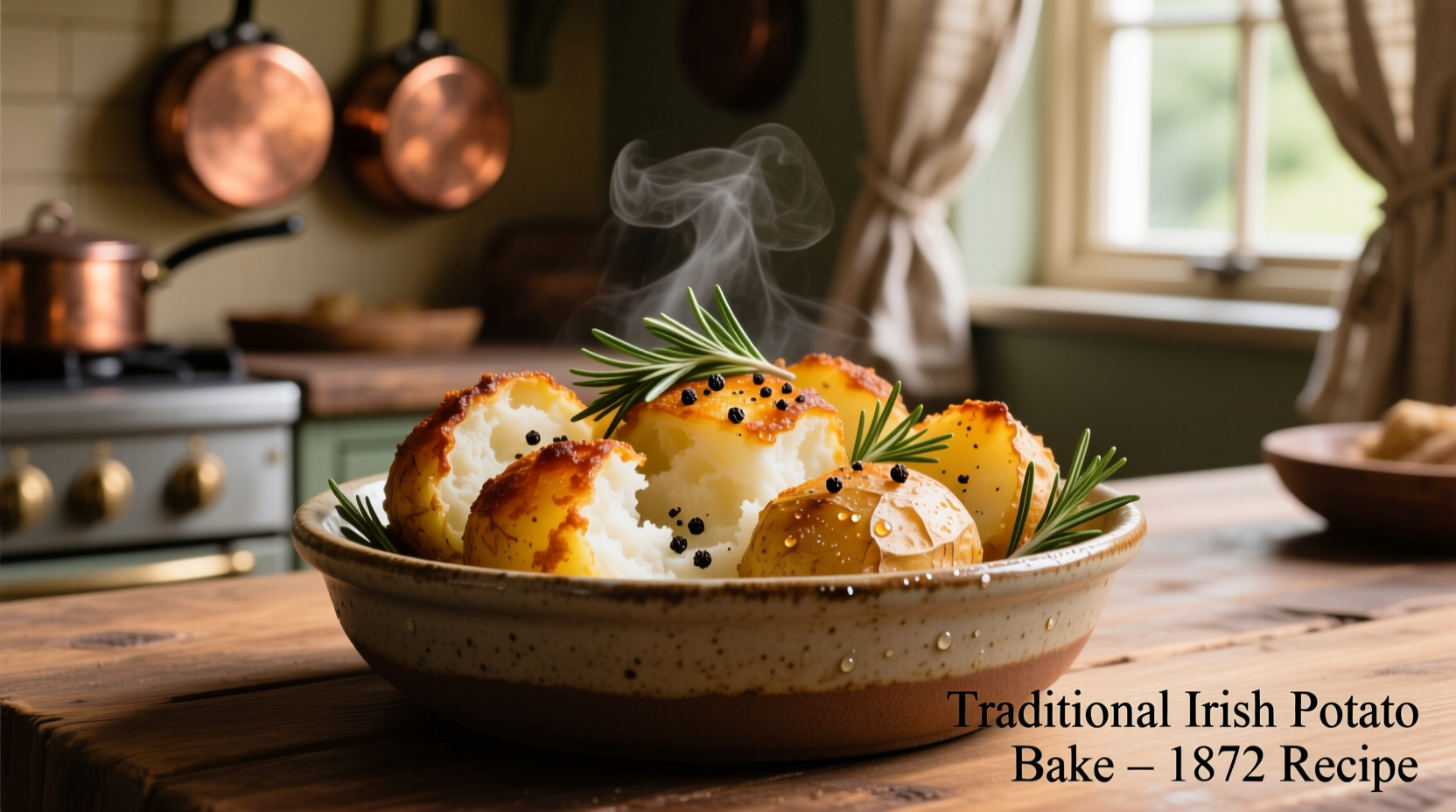
Looking for an authentic Irish potato recipe? This traditional Colcannon recipe features creamy mashed potatoes blended with fresh cabbage or kale, scallions, and a touch of butter—exactly as it's made in Irish homes for generations. With simple ingredients and clear instructions, you'll create a comforting side dish that pairs perfectly with roasted meats or stands strong as a vegetarian main course.
Why This Irish Potato Recipe Captures True Irish Flavor
When you search for "potato irish recipe," you're likely seeking more than just mashed potatoes—you want a taste of Ireland's culinary heritage. Potatoes became Ireland's staple crop after their introduction in the late 16th century, eventually feeding over one-third of the population by the 18th century. This Colcannon recipe represents the authentic Irish approach to potato preparation that sustained families through difficult times and remains beloved today.
According to the National Museum of Ireland's agricultural history collection, potatoes were so central to Irish life that they sometimes functioned as currency before the Great Famine of 1845-1852. This historical context explains why traditional Irish potato dishes like Colcannon maximize flavor with minimal ingredients—a necessity that became culinary wisdom.
Traditional Ingredients vs. Modern Adaptations
| Traditional Ingredients | Modern Variations | Why It Matters |
|---|---|---|
| Russet or King Edward potatoes | Yukon Gold (acceptable substitute) | Traditional varieties have higher starch content for creamier texture without excess liquid |
| Home-grown cabbage | Kale or savoy cabbage | Cabbage was the most accessible green in historical Ireland; kale adds nutritional benefits |
| Fresh scallions | Chives or leeks | Scallions represent the "poor man's garlic" tradition in Irish cooking |
| Unsalted butter | Infused garlic butter | Traditional Irish butter was prized for quality; modern versions can enhance flavor |
Irish Potato Timeline: From Staple Crop to Cultural Icon
Understanding the evolution of potatoes in Irish cuisine helps appreciate why certain preparation methods endure:
- 1590s: Potatoes introduced to Ireland, initially grown in small plots
- 1700s: Became primary food source for rural Irish population
- 1845-1852: Potato blight causes Great Famine, killing 1 million people
- 1900s: Potato dishes evolve into celebratory foods rather than survival staples
- Today: Traditional potato recipes like Colcannon symbolize Irish culinary resilience
Gathering Your Authentic Irish Potato Recipe Ingredients
For the most authentic experience, gather these simple ingredients that would have been available in traditional Irish households:
- 2 lbs (900g) Russet potatoes, peeled and quartered
- 4 cups shredded cabbage or kale (about 1/2 small head)
- 4 scallions, finely chopped (white and green parts separated)
- 1/2 cup (120ml) warm milk
- 4 tbsp (60g) unsalted butter
- Salt and freshly ground black pepper to taste
- Optional: 1/4 cup chopped fresh parsley
Pro Tip: Traditional Irish cooks used whatever greens were seasonally available. In spring, they'd use fresh scallions and young cabbage; in winter, they'd rely on stored root vegetables and preserved greens.
Step-by-Step Preparation: Creating Authentic Irish Potato Magic
Follow these steps to create Colcannon that would satisfy even the most traditional Irish cook:
1. Cook the Potatoes Properly
Place potatoes in a large pot, cover with cold water, and add 1 teaspoon salt. Bring to a boil, then reduce heat and simmer for 15-20 minutes until fork-tender. Crucial step: Drain thoroughly and return to the warm pot for 2 minutes to evaporate excess moisture—this prevents watery mashed potatoes.
2. Prepare the Greens
While potatoes cook, blanch cabbage or kale in boiling water for 3-4 minutes until tender but still vibrant. Drain and squeeze out excess water. Traditional Irish cooks would have used whatever greens were available, often foraged from their small plots.
3. Mash with Care
Add warm milk and butter to drained potatoes. Using a potato masher (not a food processor, which makes gluey potatoes), mash until mostly smooth with some small lumps remaining. Over-mashing releases too much starch, creating a gummy texture.
4. Combine Ingredients Thoughtfully
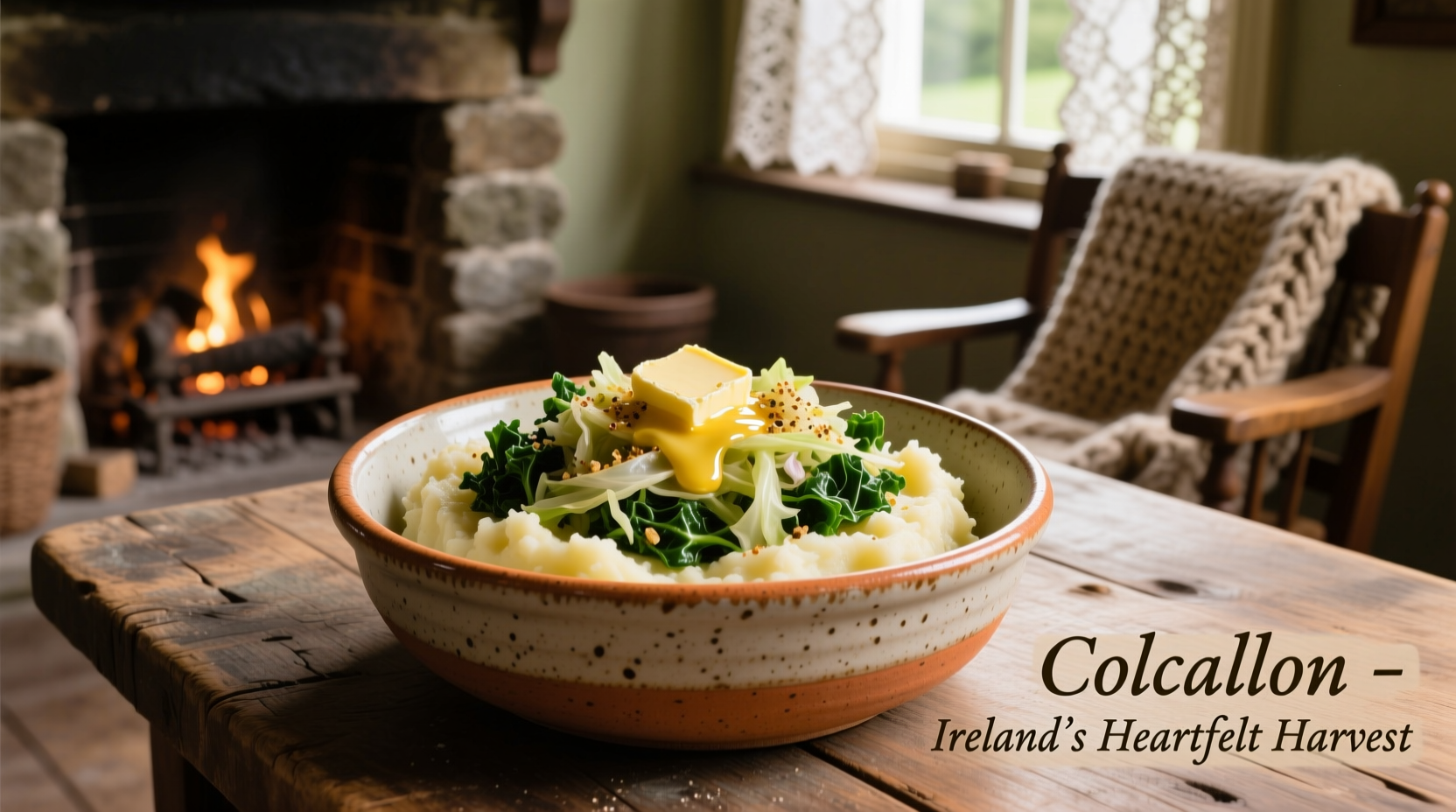
Fold in the cooked greens, white parts of scallions, salt, and pepper. Reserve green scallion parts for garnish. The authentic Irish approach maintains some texture contrast between the creamy potatoes and the slightly firm greens.
5. Create the Signature Presentation
Transfer to a serving dish and make a well in the center. Add remaining butter and the green scallion parts. In traditional Irish homes, this presentation signaled the dish was ready to eat.
When This Irish Potato Recipe Works Best (And When to Choose Alternatives)
Understanding the context boundaries for authentic Irish potato dishes helps you use them appropriately:
- Perfect for: Autumn and winter meals, Sunday family dinners, St. Patrick's Day celebrations, vegetarian main courses with added protein
- Less suitable for: Hot summer days (traditional Irish potato dishes are hearty comfort foods), formal dinner parties (unless elevated with gourmet touches), low-carb diets
- Traditional pairing: Served alongside corned beef or ham, but historically was often the main component of the meal with just a small portion of meat
Serving Traditions and Meaningful Variations
In Ireland, Colcannon isn't just food—it's part of cultural tradition. Many Irish families serve it on Halloween, sometimes hiding tokens in the dish for fortune-telling. The basic recipe varies by region:
- Ulster variation: Includes neeps (mashed turnips) along with potatoes
- Munster version: Often incorporates more scallions and less cabbage
- Modern twist: Add roasted garlic or a splash of Irish whiskey for depth
According to Bord Bia (the Irish Food Board), the authentic approach focuses on simplicity and quality ingredients rather than elaborate additions. Their culinary archives emphasize that traditional Irish cooking celebrates what's available locally rather than importing exotic elements.
Storing and Reheating: Preserving Authentic Flavor
Leftover Colcannon reheats beautifully with these traditional methods:
- Refrigeration: Store in airtight container for up to 3 days
- Reheating: Gently warm in a covered pot with a splash of milk to restore creaminess—microwaving makes potatoes tough
- Freezing: Not recommended as cabbage texture deteriorates
- Next-day transformation: Form leftovers into patties and pan-fry for traditional Irish potato cakes




 浙公网安备
33010002000092号
浙公网安备
33010002000092号 浙B2-20120091-4