

For home gardeners seeking bigger, healthier potato harvests, mastering the art of potato hilling is non-negotiable. This centuries-old agricultural practice transforms ordinary potato plants into productive powerhouses when executed correctly. Our comprehensive guide reveals exactly when, why, and how to hill potatoes for maximum results—backed by agricultural research and field-tested techniques.
The Science Behind Potato Hilling
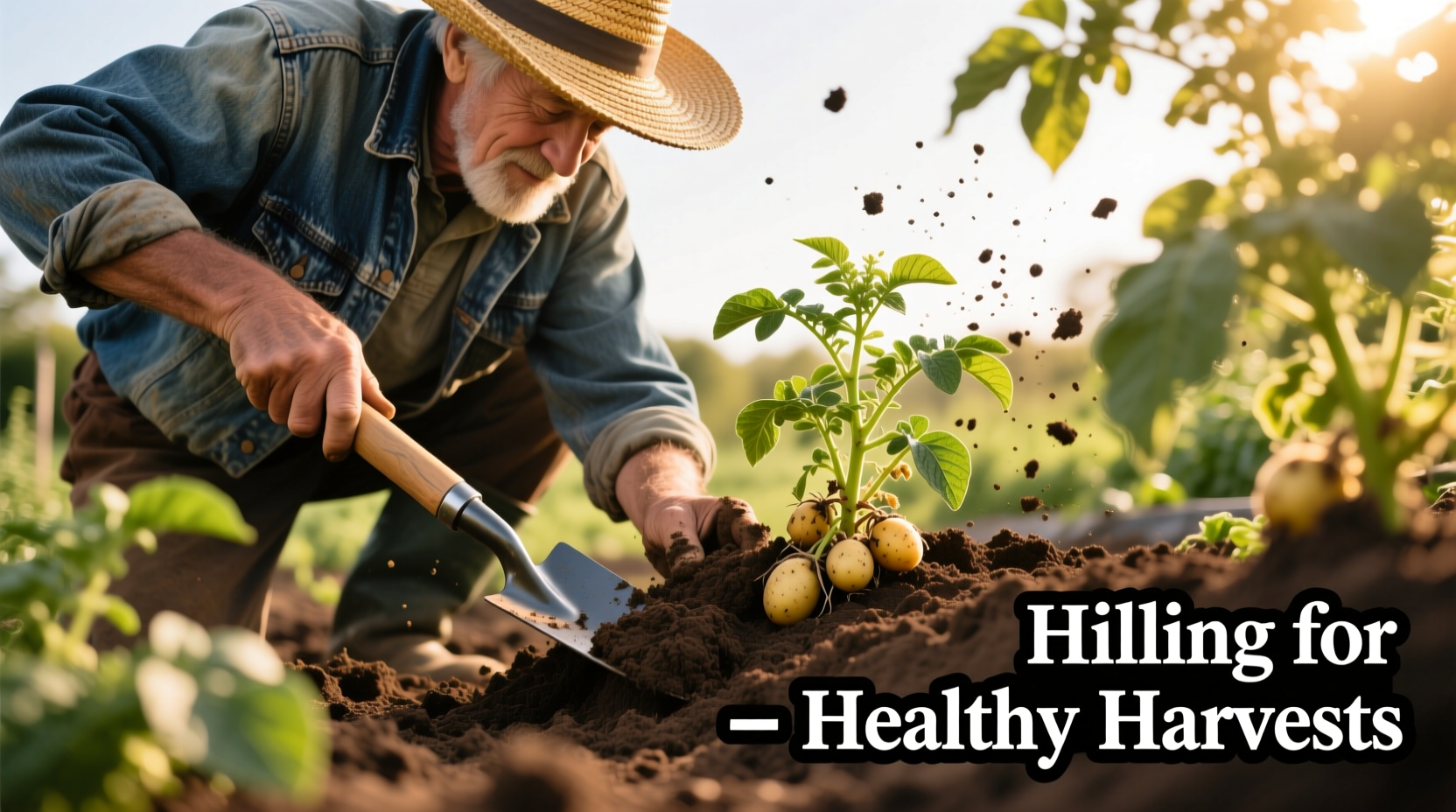
When potato plants emerge from the soil, their developing tubers remain vulnerable to sunlight exposure. Without proper hilling, these tubers turn green and produce solanine—a toxic compound that makes potatoes bitter and potentially harmful. The hilling process creates protective soil coverage while encouraging the plant to develop additional stolons (underground stems) that produce more tubers.
According to research from the University of Maine Cooperative Extension, properly hilled potato plants typically yield 20-30% more tubers than non-hilled counterparts. The added soil provides:
- Essential darkness for tuber development
- Improved drainage during heavy rains
- Enhanced soil aeration for root growth
- Natural weed suppression
- Temperature regulation for consistent growth
When to Hill Potatoes: The Critical Timeline
Timing determines hilling success. Follow this evidence-based schedule for optimal results:
| Plant Growth Stage | Recommended Action | Time After Planting |
|---|---|---|
| First green shoots visible | Initial hilling ("earth up") | 3-4 weeks |
| Plants 6-8 inches tall | First proper hilling | 4-6 weeks |
| After first hilling, plants regrow 4-6 inches | Second hilling | 6-8 weeks |
| Flowering stage begins | Final hilling (if needed) | 8-10 weeks |
This timeline comes from decades of agricultural research documented by Cornell University's College of Agriculture and Life Sciences. Their field trials consistently show that adhering to these growth-stage markers produces significantly better yields than calendar-based approaches.
Step-by-Step Potato Hilling Guide
Follow these professional techniques for perfect hilling every time:
Tools You'll Need
- Garden hoe or cultivator (for traditional gardens)
- Wheelbarrow (for larger plantings)
- Compost or well-rotted manure (optional)
- Gloved hands (for small-scale gardening)
The Proper Hilling Technique
- Wait until plants reach 6-8 inches above soil level
- Carefully pull soil from between rows toward the plants
- Create mounds approximately 6-8 inches high around each plant
- Ensure all emerging tubers remain completely covered
- Leave 2-3 inches of plant growth visible above the soil
- Water gently after hilling to settle the soil
Avoid These Common Potato Hilling Mistakes
Even experienced gardeners make these critical errors that reduce yields:
- Hilling too early - When plants are under 6 inches tall, you risk burying growth points and stunting development
- Incomplete coverage - Any exposed tubers will green and become inedible
- Over-hilling - Burying more than 3-4 inches of stem can reduce overall yield
- Neglecting subsequent hillings - Most varieties require 2-3 hilling sessions for maximum production
- Hilling during wet conditions - Compacts soil and damages plant roots
Varietal-Specific Hilling Considerations
Different potato types respond uniquely to hilling:
- Early varieties (like Yukon Gold): Require less aggressive hilling as they mature faster
- Late varieties (like Russet Burbank): Benefit from additional hilling sessions for maximum yield
- Container growing: Use straw or additional soil instead of traditional hilling
- Heavy clay soils: Incorporate compost during hilling to improve drainage
The USDA Agricultural Research Service notes that proper hilling technique varies by soil type and climate. In regions with heavy rainfall, more frequent but smaller hillings prevent waterlogging, while arid regions benefit from deeper, less frequent mounding to conserve moisture.
Troubleshooting Hilling Problems
Address these common issues immediately:
- Green tubers visible: Hill immediately, even if plants are small
- Soil washing away: Add organic matter to improve soil structure
- Poor drainage: Create higher mounds with added compost
- Stunted growth after hilling: You've likely buried too much stem—reduce coverage depth
Remember that hilling isn't necessary for all potato growing methods. Raised bed systems with deep soil or straw mulch techniques provide alternative approaches that eliminate traditional hilling while achieving similar benefits. The University of Wisconsin Extension confirms these alternatives work well in specific growing conditions but generally produce slightly lower yields than properly hilled traditional plantings.




 浙公网安备
33010002000092号
浙公网安备
33010002000092号 浙B2-20120091-4