
Discover why Potato Harbor remains one of Maine's best-kept secrets for experiencing authentic coastal New England. Whether you're planning a day trip, fishing excursion, or simply seeking picturesque waterfront views, this guide provides everything you need to make the most of your visit to this charming Maine harbor.
Understanding Potato Harbor's Unique Character
Nestled along Maine's rugged Midcoast region, Potato Harbor serves as the mainland departure point for the historic Monhegan Island ferry. Despite its unassuming name, this sheltered cove has supported local fishing communities for generations while offering visitors a genuine taste of coastal Maine life. The harbor's protected waters make it ideal for small craft navigation while its minimal development preserves the natural beauty that defines this stretch of coastline.
Unlike more commercialized Maine harbors, Potato Harbor maintains its working waterfront character with active lobster fishing operations alongside recreational boating. The name's origin remains somewhat mysterious, with local historians suggesting it may reference early potato farming attempts on nearby islands or the harbor's shape resembling a potato when viewed from certain angles.
Planning Your Visit to Potato Harbor
Timing your visit correctly ensures you experience Potato Harbor at its best. The harbor remains accessible year-round, but seasonal variations significantly impact what activities are available and what you can expect from your visit.
| Season | Water Temperature | Key Activities | Visitor Considerations |
|---|---|---|---|
| Spring (Apr-Jun) | 38-55°F | Ferry to Monhegan, bird watching, photography | Cool temperatures, fewer crowds, possible fog |
| Summer (Jul-Aug) | 55-65°F | Island ferry, fishing charters, kayaking | Peak season, requires advance planning, warmer weather |
| Fall (Sep-Oct) | 50-60°F | Scenic views, photography, lobster fishing observation | Fewer tourists, beautiful foliage, variable weather |
| Winter (Nov-Mar) | 32-40°F | Coastal walks, photography, observing working waterfront | Limited services, potentially hazardous conditions, solitude |
Navigating to Potato Harbor
Reaching Potato Harbor requires careful planning as it's located in a relatively remote section of Maine's coast. The harbor sits approximately 15 miles south of Rockland, accessible via Route 17 south to Port Clyde. The final stretch involves a narrow, winding road that requires attention, especially during peak tourist season when traffic increases significantly.
From the parking area, a short walk leads to the harbor's edge where you'll find the Monhegan Island ferry dock, small cluster of fishing boats, and limited visitor facilities. Note that parking can fill quickly during summer months, so arriving early ensures the best experience. The Maine Department of Transportation maintains Route 17 with seasonal plowing during winter months, though conditions can remain challenging after significant snowfall.
Experiencing Potato Harbor's Working Waterfront
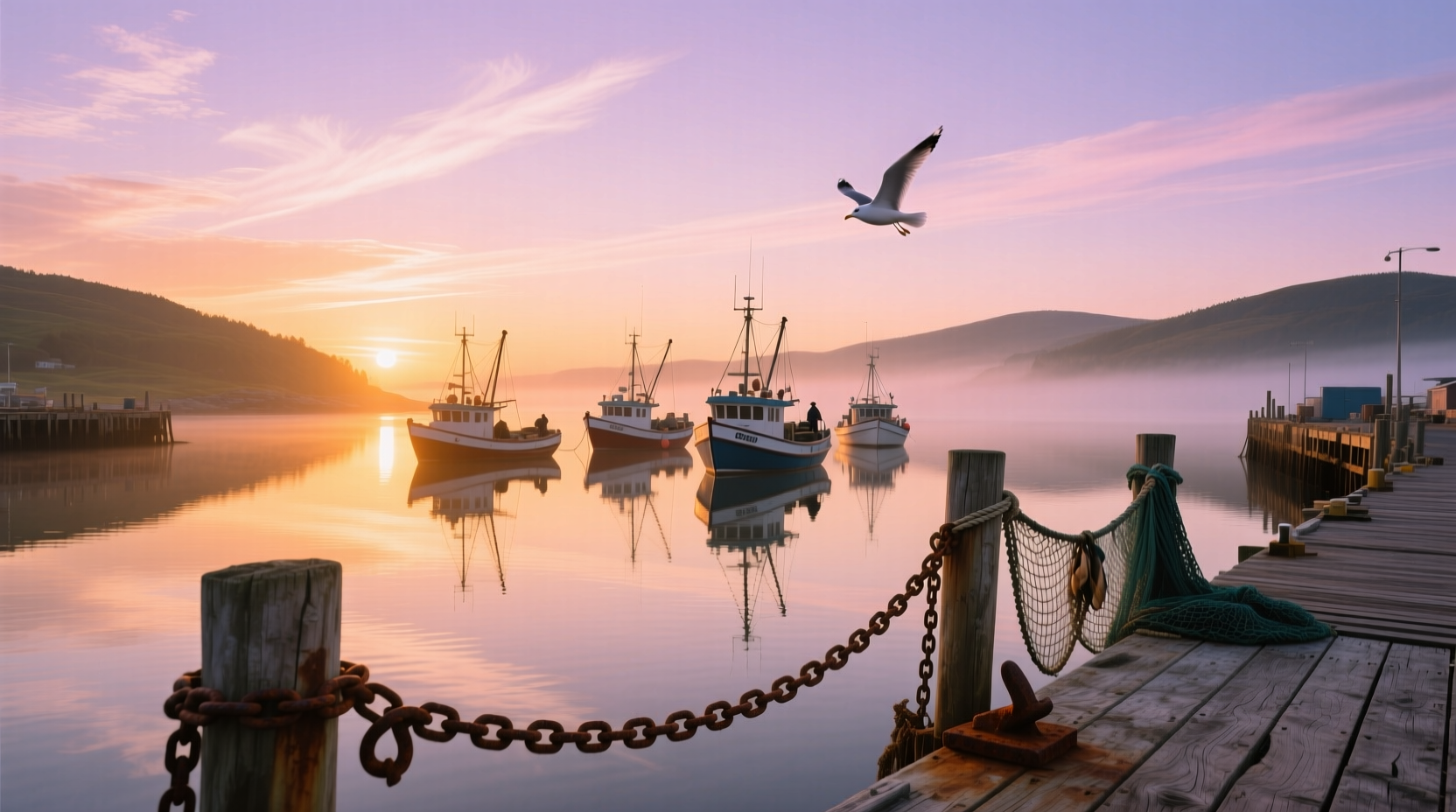
What makes Potato Harbor special is its authentic working waterfront character. Unlike many New England harbors that have become primarily tourist destinations, Potato Harbor remains an active fishing community where lobster boats depart daily for their traps. Visitors can respectfully observe the fishing operations while enjoying the harbor's natural beauty.
The Monhegan Island ferry represents the harbor's most prominent visitor attraction, transporting passengers to the artist colony island approximately 10 miles offshore. According to the Monhegan Boat Line, this service has operated continuously since 1880, making it one of Maine's longest-running ferry services. The 75-minute crossing offers excellent opportunities for wildlife viewing, including seals, porpoises, and various seabirds.
Responsible Visitor Guidelines
As a functioning fishing harbor, Potato Harbor requires visitors to follow specific guidelines to respect the working waterfront and local community:
- Do not obstruct dock areas where fishing operations occur
- Keep noise levels low, especially during early morning fishing departures
- Follow all posted signage regarding restricted areas
- Dispose of trash properly using designated receptacles
- Respect private property boundaries around the harbor
- Observe fishing operations from designated viewing areas only
The Maine Department of Marine Resources enforces strict regulations regarding interaction with working waterfronts to ensure both visitor safety and continued fishing operations. These regulations help maintain the delicate balance between tourism and the local fishing industry that defines coastal Maine communities.
Historical Timeline of Potato Harbor
Understanding Potato Harbor's evolution provides context for its current character:
- Pre-1800s: Used seasonally by Native American communities for fishing
- Early 1800s: First permanent European settlers establish fishing operations
- 1880: Monhegan Island ferry service begins operation
- 1920s-1940s: Harbor serves as primary supply point for Monhegan Island residents
- 1950s-1970s: Increased recreational boating begins to share harbor space with commercial fishing
- 1985: Local preservation efforts establish guidelines for maintaining working waterfront character
- 2008: Maine Coast Heritage Trust helps secure conservation easements for surrounding lands
- Present: Carefully balanced mix of commercial fishing, ferry service, and respectful tourism
Nearby Attractions and Amenities
While Potato Harbor itself offers a relatively undeveloped experience, several amenities and attractions lie within reasonable distance:
- Port Clyde General Store: Historic general store offering basic provisions and local information (0.2 miles)
- Marshall Point Lighthouse: Iconic lighthouse featured in Forrest Gump (4 miles north)
- Rockland: Maine's "Lobster Capital" with museums, restaurants, and shops (15 miles north)
- Island Institute: Resource center for understanding island communities (Rockland, 15 miles north)
- Coastal trails: Several public access points for coastal walking and birdwatching
For those seeking dining options, the Port Clyde area offers several establishments featuring locally caught seafood. The historic Port Clyde Lobster Co. has operated since 1952, providing fresh lobster directly from working fishermen. Remember that many local establishments maintain seasonal hours, so checking availability before your visit prevents disappointment.
Environmental Considerations
Visitors play an important role in preserving Potato Harbor's delicate ecosystem. The harbor sits within the Muscongus Bay ecosystem, which supports diverse marine life including lobster, groundfish, and various shellfish species. The Maine Department of Marine Resources reports that lobster landings in this region have remained relatively stable over the past decade, though climate change impacts require ongoing monitoring.
When visiting, practice Leave No Trace principles to help maintain the harbor's natural beauty. This includes packing out all trash, avoiding disturbance to wildlife, and staying on established paths. The nearby Monhegan Island hosts a bird sanctuary managed by the Monhegan Associates, which provides important habitat for migratory species.




 浙公网安备
33010002000092号
浙公网安备
33010002000092号 浙B2-20120091-4