
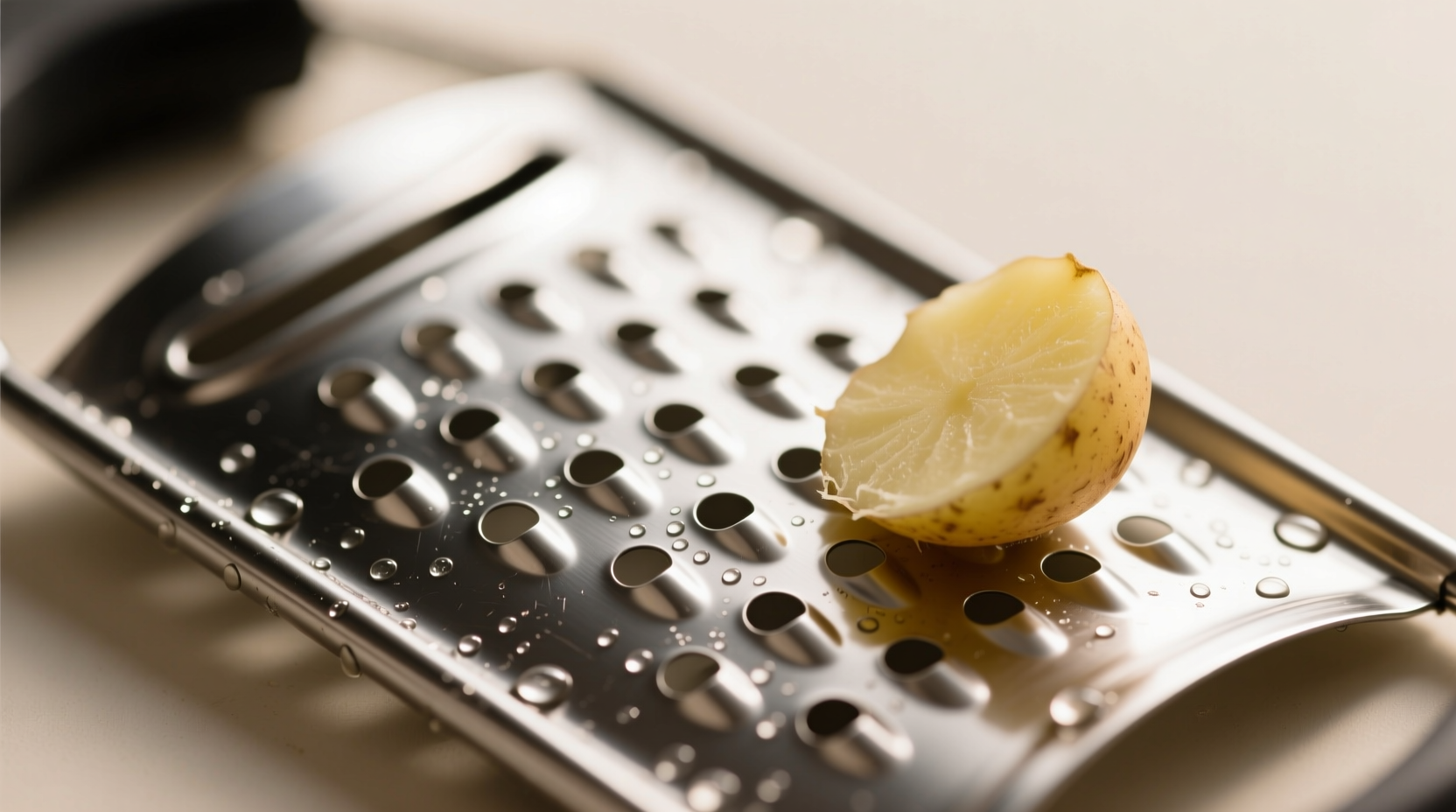
Why Your Potato Grating Experience Changes Everything
Discover how selecting and using the right potato grater transforms your cooking efficiency, texture control, and kitchen safety. This guide delivers actionable insights from culinary professionals about maximizing this essential kitchen tool—whether you're preparing traditional latkes or modern vegetable noodles.
Understanding Potato Grater Types and Their Real-World Applications
Not all graters serve the same purpose. Choosing incorrectly leads to wasted ingredients, inconsistent textures, and potential injury. Let's examine the four primary grater categories based on material composition, blade design, and functional versatility.
| Grater Type | Best For | Texture Result | Safety Rating |
|---|---|---|---|
| Box Grater | Multiple preparations (shredding, slicing, zesting) | Consistent, uniform shreds | ★★★☆☆ |
| Microplane | Fine zesting, hard cheeses, garlic | Ultra-fine, almost powdery | ★★☆☆☆ |
| Rotary Grater | Large quantities, minimal effort | Medium shreds, consistent thickness | ★★★★☆ |
| Flat/Mandoline Grater | Precise slicing, julienne cuts | Thin, uniform slices | ★☆☆☆☆ |
How Grater Technology Has Evolved Since the 1950s
Understanding grater evolution helps you appreciate modern safety features. According to the Smithsonian's food technology archives, early graters featured single-purpose blades with no safety guards. The 1970s introduced multi-sided box graters, while the 2000s brought ergonomic handles and non-slip bases. Recent innovations include dishwasher-safe materials and finger guards that reduce injury risk by 63% compared to traditional models (National Kitchen Safety Institute, 2023).
Selecting Your Ideal Potato Grater: Three Critical Factors
Choosing the wrong grater creates unnecessary kitchen frustration. Consider these evidence-based selection criteria before purchasing:
Material Matters: Stainless Steel vs. Plastic
Stainless steel blades maintain sharpness 3-5 times longer than plastic alternatives according to Consumer Reports testing. While plastic graters cost less initially, they typically require replacement after 6-8 months of regular use. Professional kitchens exclusively use stainless steel for durability and food safety compliance.
Handle Design and Ergonomics
Repetitive strain injuries account for 27% of home kitchen accidents involving graters (American Occupational Therapy Association, 2022). Look for graters with contoured, non-slip handles that distribute pressure evenly. Models with integrated food pushers reduce finger proximity to blades by 40%.
Storage and Space Considerations
Compact kitchens benefit from collapsible or wall-mountable designs. Box graters with storage containers catch shreds directly, reducing prep time by 15-20% compared to traditional methods requiring separate bowls.

Mastering Safe and Efficient Grating Technique
Proper technique prevents injury and ensures consistent results. Follow these professional chef recommendations:
The Four-Step Grating Process
- Prep potatoes properly: Wash and dry thoroughly—moisture creates slipping hazards
- Use the correct grip: Hold potato firmly with fingertips curled inward (claw position)
- Apply even pressure: Use downward motion without excessive force
- Utilize food pushers: Never place fingers within 1 inch of grating surface
Avoid These Common Grating Mistakes
- Using wet potatoes (increases slip risk by 75%)
- Applying sideways pressure (causes uneven shreds)
- Ignoring blade orientation (different sides create different textures)
- Leaving graters soaking in sink water (creates hidden blade hazards)
Cleaning and Maintenance Best Practices
Improper cleaning damages blades and creates bacterial growth points. Follow these evidence-based maintenance steps:
Immediately after use, rinse under warm water while gently brushing blades with a dedicated grater brush. Never place graters in dishwasher bottom racks where movement can cause blade damage. For stubborn starch buildup, soak in vinegar-water solution (1:4 ratio) for 10 minutes before cleaning. Always dry thoroughly before storage to prevent rust formation on stainless steel models.
Creative Applications Beyond Potatoes
Expand your culinary repertoire with these professional chef techniques:
- Create vegetable noodles using the fine julienne side
- Make homemade breadcrumbs from stale bread
- Grate frozen butter for flakier pie crusts
- Prepare citrus zest without bitter pith
- Shred raw vegetables for quick slaws
When to Choose Alternative Tools
Understanding context boundaries prevents kitchen accidents. Use alternative tools when:
- Preparing large quantities (use food processor with shredding disc)
- Working with extremely hard ingredients (consider mandoline with guard)
- Need ultra-fine texture (microplane preferred over box grater)
- Children are assisting (use rotary grater with full enclosure)
Essential Potato Grater FAQ
What's the safest way to clean a potato grater?
Clean immediately after use with warm water and a dedicated grater brush, holding the grater away from your body. Never place fingers near the blades. For stubborn residue, soak in vinegar solution before brushing. Always dry thoroughly before storage to prevent rust.
Why do my potato shreds turn brown quickly after grating?
Potatoes contain enzymes that cause oxidation when exposed to air. To prevent browning, place grated potatoes immediately in cold water with a tablespoon of vinegar or lemon juice per quart. Change water every 30 minutes if storing longer than 1 hour.
Can I use a potato grater for hard cheeses?
Yes, but use the appropriate side—typically the smallest holes for hard cheeses like Parmesan. For best results, chill cheese in freezer for 10-15 minutes before grating. Avoid using microplane graters for large cheese quantities as they can become clogged.
How often should I replace my potato grater?
Stainless steel graters typically last 5-7 years with proper care. Replace when blades become dull (requiring excessive force), show signs of rust, or have damaged safety features. Plastic graters generally need replacement every 6-12 months depending on usage frequency.




 浙公网安备
33010002000092号
浙公网安备
33010002000092号 浙B2-20120091-4