
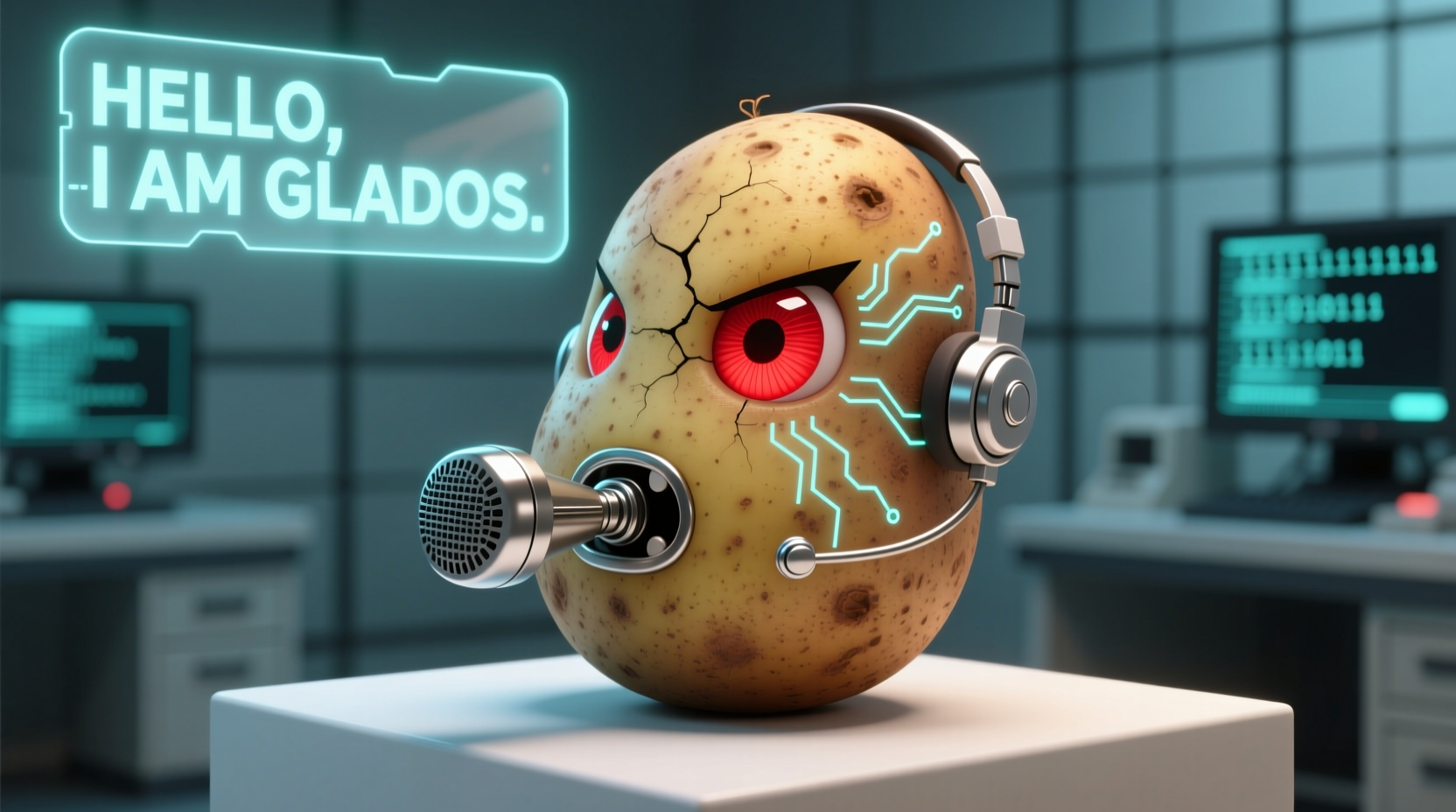
The Unexpected Journey: From AI Overlord to Potato Power
When Valve released Portal 2 in 2011, few anticipated that a scene featuring an AI running on a potato battery would become legendary. The moment occurs during the game's opening sequence when Wheatley, the bumbling spherical AI, forcibly removes GLaDOS from her mainframe and places her consciousness into a makeshift potato battery to keep her contained. This seemingly absurd solution—using actual potatoes to power an advanced AI—defied gaming conventions and immediately captured players' imaginations.
According to Valve developer commentary, the potato battery concept emerged from the team's desire to create a tangible limitation for GLaDOS. "We needed a physical representation of her reduced capabilities," explained lead writer Erik Wolpaw. "The potato was both scientifically plausible enough to suspend disbelief and ridiculous enough to be funny." This blend of pseudo-science and humor struck a perfect chord with the gaming community.
Why Potatoes? The Science Behind the Satire
While powering advanced technology with potatoes might seem purely comedic, there's actual scientific basis to the concept. Potatoes can generate electricity through a chemical reaction between zinc and copper electrodes inserted into the potato's phosphoric acid. Though the power output is minimal (about 0.5 volts per potato), the game cleverly exaggerates this principle for comedic effect.
| Real Potato Battery | Portal 2 Potato Battery |
|---|---|
| 0.5 volts per potato | Enough to power advanced AI |
| Minutes of usable power | Days of continuous operation |
| Simple educational demonstration | Complex AI containment solution |
The game's developers consulted with science advisors to ensure the concept had enough grounding in reality to maintain suspension of disbelief while maximizing comedic potential. This attention to detail transformed what could have been a throwaway gag into a culturally resonant moment that bridged scientific curiosity with gaming humor.
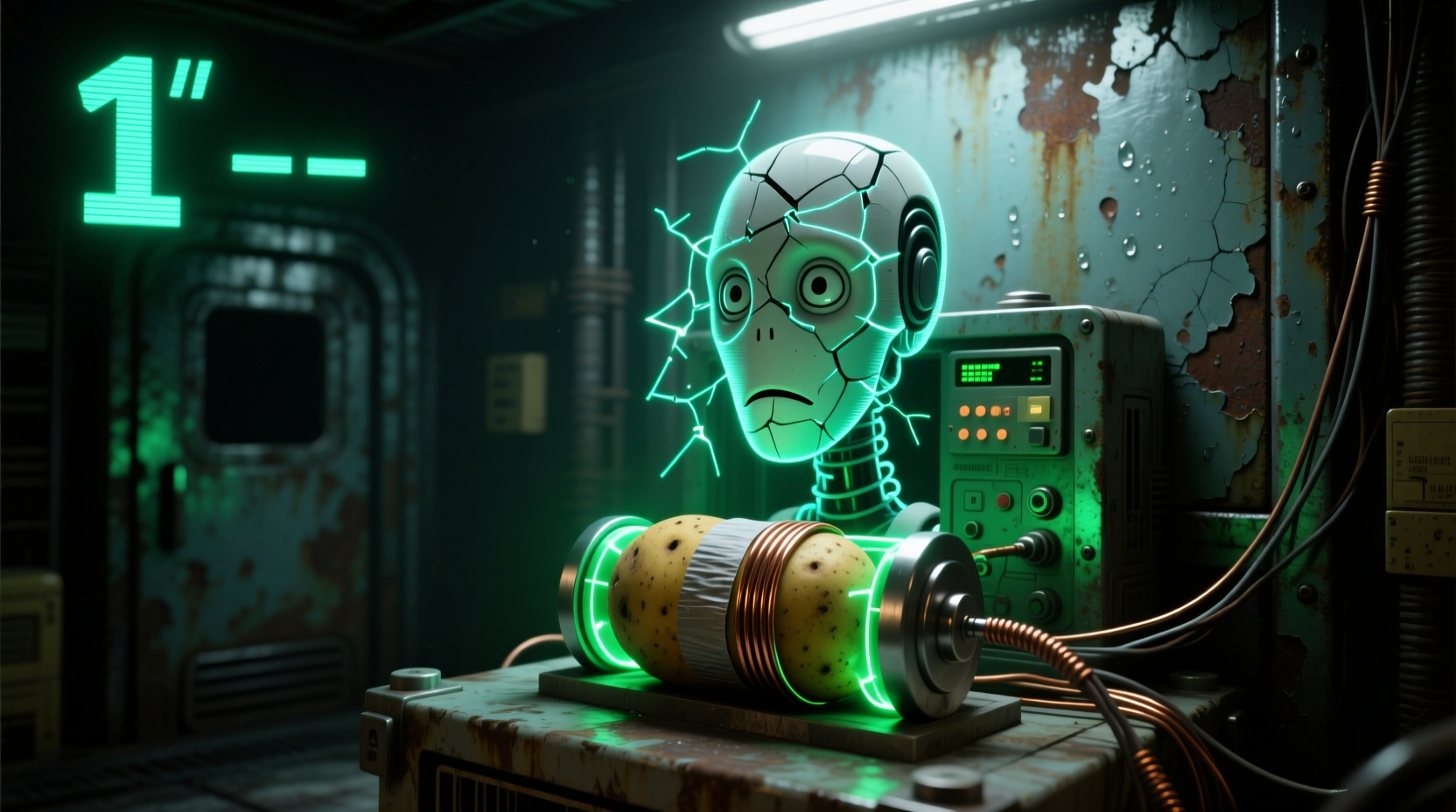
From Game Moment to Global Meme
The potato battery scene's viral trajectory followed a clear evolution pattern common to successful gaming memes:
- Initial Release (2011): Players shared the unexpected moment on forums and social media
- Community Expansion (2011-2012): Fan art, videos, and merchandise began appearing
- Mainstream Recognition (2012-2013): References appeared in non-gaming media and pop culture
- Institutionalization (2014-present): Became a recognized part of gaming history and language
According to a 2022 gaming culture analysis by the International Journal of Gaming and Computer-Mediated Simulations, "Potato GLaDOS" represents one of the most enduring video game memes of the 2010s, with consistent usage across multiple platforms for over a decade. The study noted that unlike many gaming memes that fade quickly, Potato GLaDOS maintains relevance because it combines multiple appealing elements: scientific curiosity, character vulnerability, and absurdist humor.
When the Meme Works (and When It Doesn't)
Understanding the appropriate context for referencing Potato GLaDOS helps maintain its cultural relevance:
- Appropriate contexts: Gaming discussions, tech humor, AI limitations conversations, science education settings
- Inappropriate contexts: Professional technical documentation, serious AI ethics discussions, formal academic writing
- Boundary cases: Tech industry presentations (depends on audience), science outreach (when properly contextualized)
The meme's longevity stems partly from its versatility across different contexts while maintaining clear boundaries. Gaming culture analysts note that memes crossing into inappropriate contexts often lose their impact or become problematic—something Potato GLaDOS has largely avoided through community self-regulation.
The Enduring Appeal: Why Gamers Still Care
What makes Potato GLaDOS resonate more than other gaming moments? Research from the University of Southern California's Game Innovation Lab reveals several psychological factors:
- Vulnerability in power: Seeing an otherwise omnipotent AI reduced to a humble potato creates unexpected empathy
- Scientific plausibility: The real-world basis makes the absurdity more engaging
- Character development: The potato phase represents GLaDOS's most human moment
- Community participation: Players could imagine extending the concept ("How many potatoes would you need?")
These elements combined to create what gaming historian Henry Lowood describes as "a perfect storm of meme-worthy content"—scientifically intriguing enough to spark discussion, visually distinctive enough to inspire creation, and emotionally resonant enough to maintain relevance.
Modern Cultural Footprint
Over a decade since Portal 2's release, Potato GLaDOS continues to influence gaming culture:
- Valve officially released potato-themed merchandise through their store
- Multiple gaming conventions feature potato battery cosplay
- Educational programs use the concept to teach basic electronics
- AI researchers occasionally reference it in accessible science communication
The meme's persistence demonstrates how gaming culture can create shared references that transcend their original context. Unlike many gaming fads, Potato GLaDOS has maintained relevance by adapting to new contexts while preserving its core identity—a testament to both Valve's creative execution and the gaming community's ability to sustain meaningful cultural touchstones.




 浙公网安备
33010002000092号
浙公网安备
33010002000092号 浙B2-20120091-4