
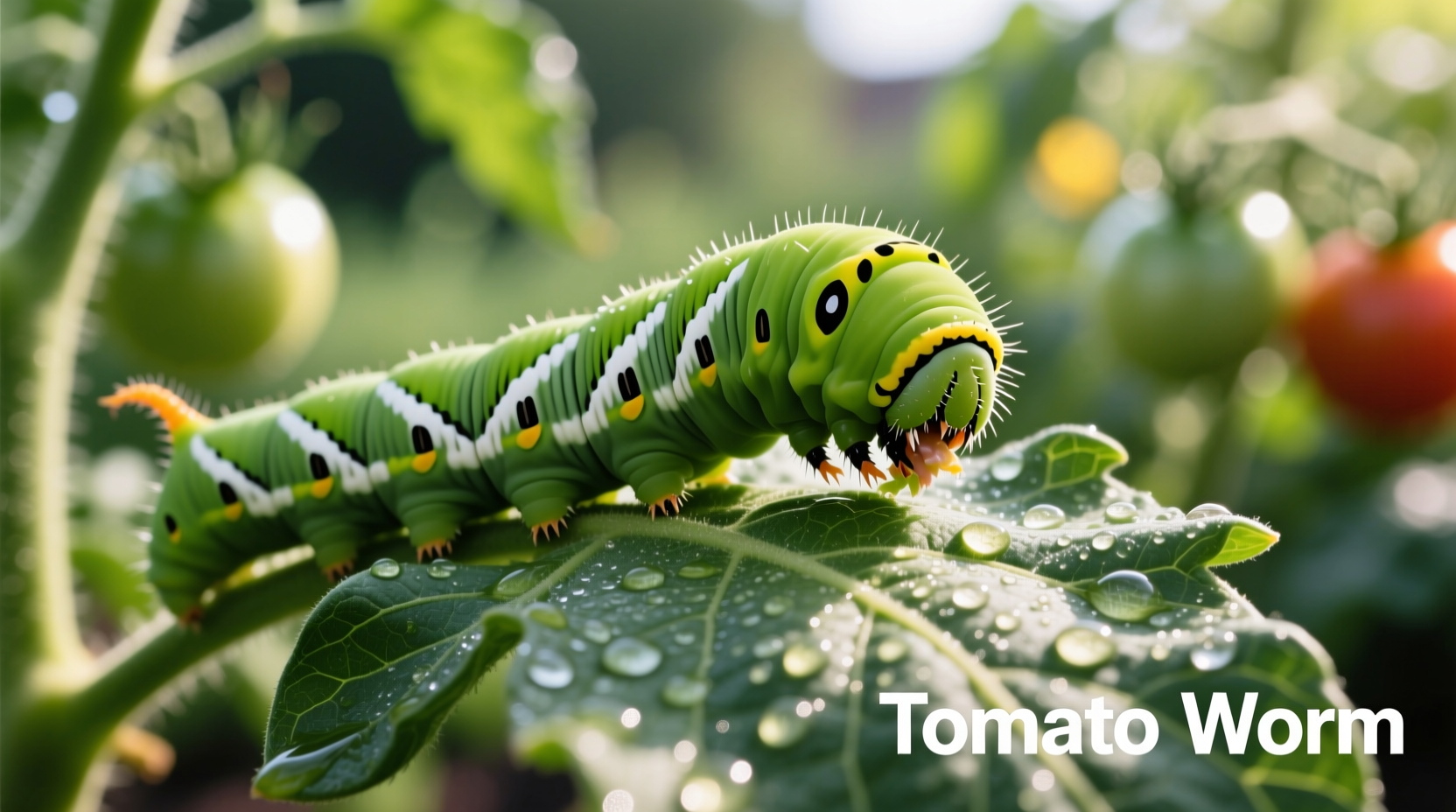
How to Identify Tomato Worms: Your Visual Guide
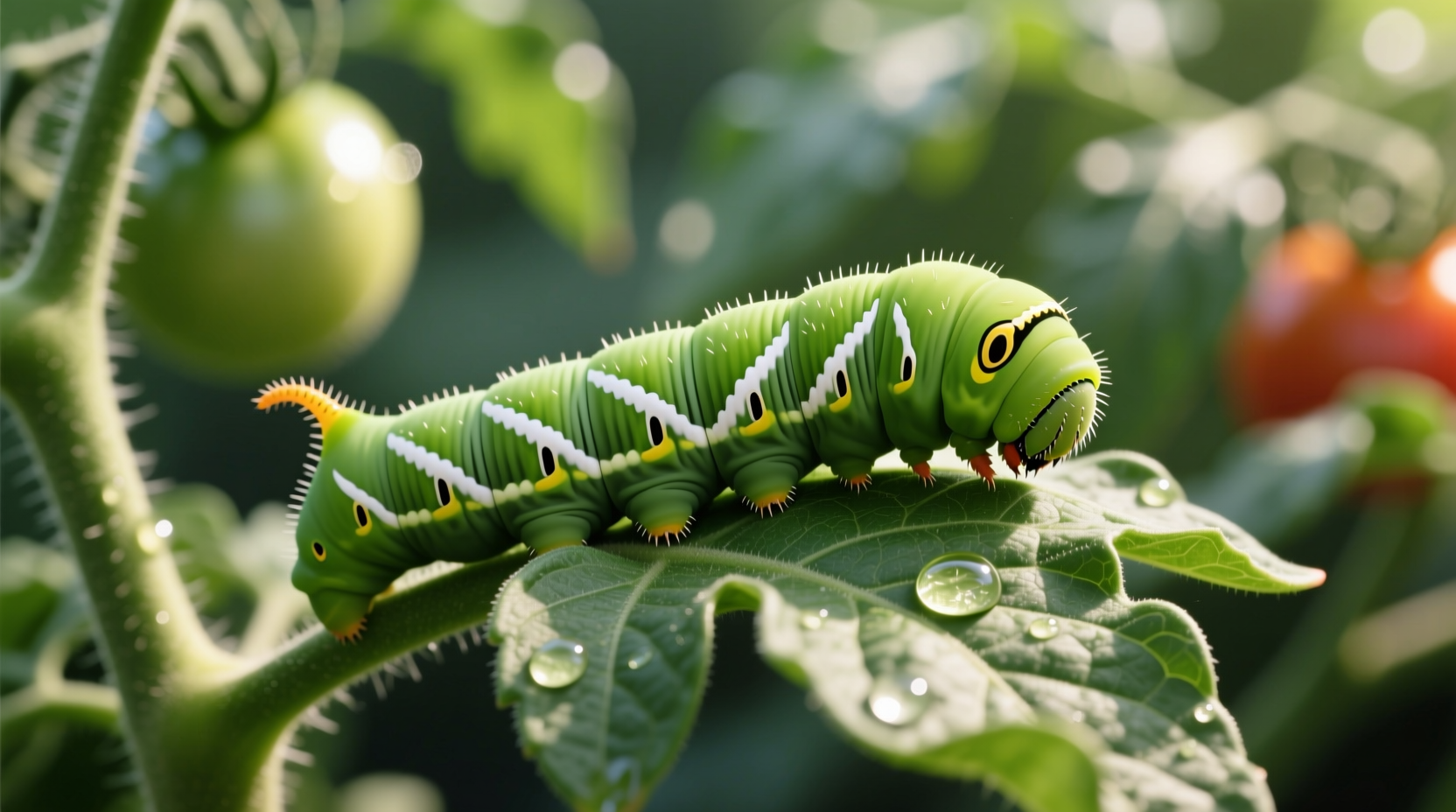
When you're searching for pictures of tomato worms, you need clear visual references to accurately identify these garden pests. The tomato hornworm features eight white V-shaped markings along its sides and a black horn, while the tobacco hornworm has seven diagonal white stripes and a red horn. Both species blend remarkably well with tomato foliage, making them difficult to spot until significant damage occurs.
Tomato Worm Life Cycle Timeline
Understanding the complete life cycle helps you time your interventions effectively. According to research from the University of Minnesota Extension, tomato worms follow this seasonal pattern:
Early Spring: Adult hawk moths emerge from pupae in soil
May-June: First generation of eggs laid on tomato plant undersides
June-July: Larvae hatch and begin feeding (first generation)
July-August: Second generation of eggs laid
August-September: Peak feeding damage from second generation
Fall: Mature larvae burrow into soil to pupate for winter
Damage Assessment: What Tomato Worm Activity Looks Like
Before you can effectively manage these pests, you need to recognize their damage patterns. The University of California Integrated Pest Management Program identifies these key signs:
- Defoliation starting at the top of plants and moving downward
- Large, dark green droppings (frass) on leaves and soil
- Chewed stems with clean, sharp edges
- Partially eaten fruit with deep, irregular holes
- Visible caterpillars matching the descriptions in your pictures of tomato worms
Tomato Worm vs. Similar Garden Pests
| Pest | Size | Markings | Horn Color | Primary Host Plants |
|---|---|---|---|---|
| Tomato Hornworm | 3-4 inches | 8 white V-shaped marks | Black | Tomatoes, eggplant |
| Tobacco Hornworm | 3-4 inches | 7 diagonal white stripes | Red | Tobacco, tomatoes |
| Cabbage Looper | 1-1.5 inches | Faint white stripes | None | Brassicas, tomatoes |
| Tomato Fruitworm | 1.5-2 inches | Variable stripes/spots | None | Tomatoes, corn |
Effective Organic Control Methods
When dealing with pictures of tomato worms in your garden, immediate action is crucial. The Penn State Extension recommends these proven organic approaches:
Hand-Picking Technique
The most effective immediate solution requires no chemicals. Inspect plants early morning or evening when worms are most active. Wear gloves and drop worms into soapy water. Check undersides of leaves and along stems where they camouflage effectively.
Natural Predator Encouragement
Brachymeria wasps naturally parasitize hornworms, laying eggs on their backs. If you see a worm with white cocoons attached, leave it in your garden—these wasps will control future generations. Plant nectar-rich flowers like dill, fennel, and yarrow to attract beneficial insects.
Biological Control Options
Bacillus thuringiensis (Bt) is an organic-approved bacterial spray that targets caterpillars without harming beneficial insects. Apply in the evening when UV light won't degrade it as quickly. According to Cornell University's Garden Pest Management Guide, Bt works best on younger larvae.
Prevention Strategies for Next Season
Preventing tomato worms starts after your current growing season ends. The Oregon State University Extension recommends these proactive measures:
- Till soil in fall to expose overwintering pupae to predators and weather
- Rotate tomato planting locations annually (minimum 3-year rotation)
- Use floating row covers early in the season to prevent egg-laying
- Plant basil as a companion plant—its strong scent may deter adult moths
- Inspect new plants thoroughly before adding to your garden
When to Consider Professional Help
For most home gardeners, the organic methods described above will effectively manage pictures of tomato worms infestations. However, if you're experiencing:
- Widespread defoliation affecting more than 50% of plants
- Multiple generations appearing simultaneously
- Contamination of commercial crops
- Persistent problems despite consistent organic management
Consider consulting your local cooperative extension service for region-specific advice. They can provide soil testing to determine if your growing conditions are inadvertently attracting these pests.




 浙公网安备
33010002000092号
浙公网安备
33010002000092号 浙B2-20120091-4