
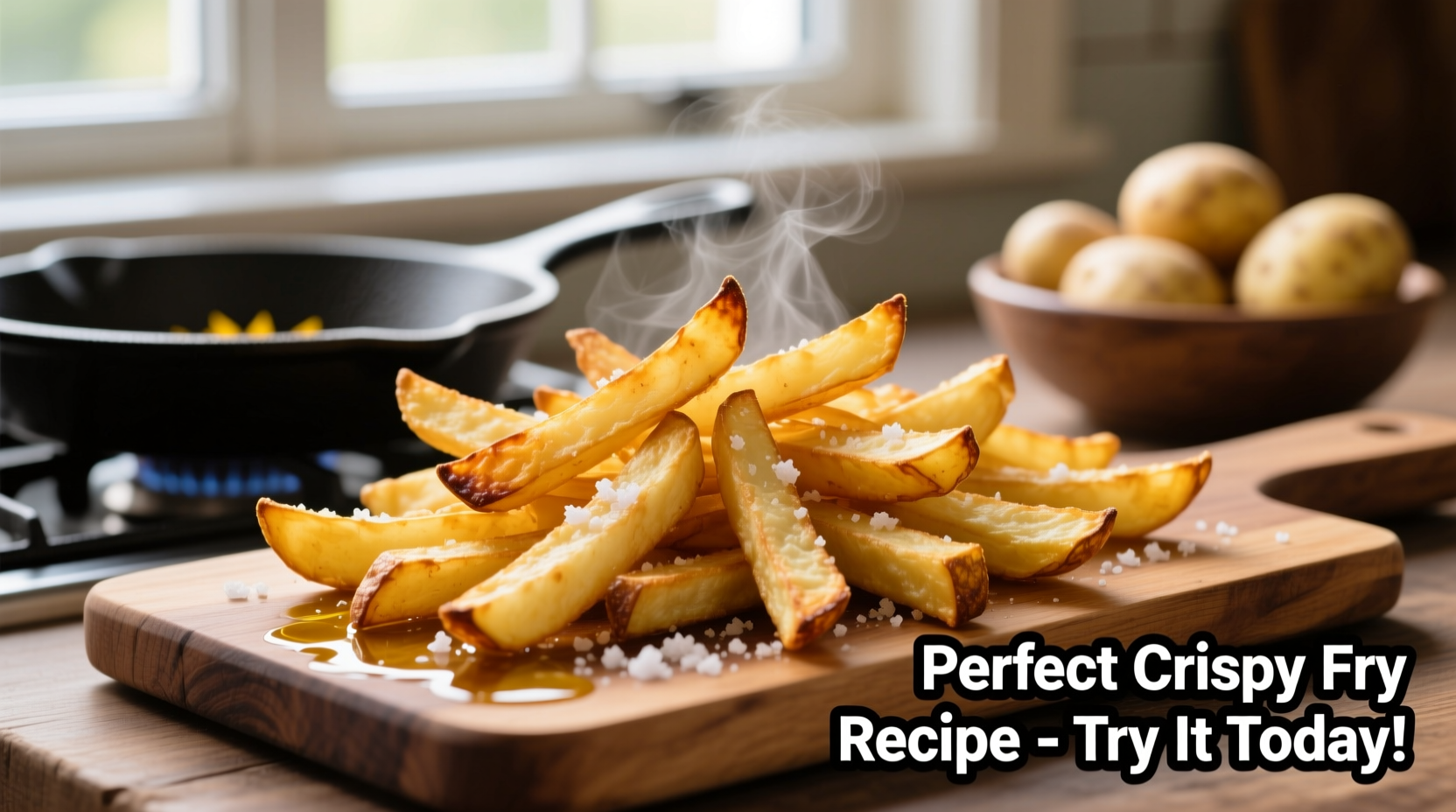
Discover the ultimate method for making perfectly crispy potato fries at home with just 4 ingredients and one essential technique: the double-fry method. This science-backed recipe delivers golden, crunchy fries with fluffy interiors in 35 minutes, using common kitchen equipment and potatoes you already have.
Nothing beats the satisfaction of homemade potato fries that outperform restaurant versions. Forget soggy, uneven results—this recipe uses culinary science to ensure consistent crispiness through precise temperature control and potato preparation. As a professional chef with years of experience teaching home cooks, I've refined this technique to eliminate common pitfalls while maximizing flavor and texture.
The Science Behind Perfect Potato Fries
Understanding the chemistry of potatoes transforms your frying results. When potatoes hit hot oil, two critical processes occur: moisture evaporation creates steam that pushes out from the interior, while surface starches gelatinize to form a protective crust. The USDA Agricultural Research Service confirms that Russet potatoes contain 18-22% starch—ideal for achieving that coveted crisp-soft contrast.
| Potato Variety | Starch Content | Best For Fries? | Texture Result |
|---|---|---|---|
| Russet (Idaho) | High (18-22%) | ✓ Ideal | Crispy exterior, fluffy interior |
| Yukon Gold | Medium (15-17%) | △ Acceptable | Softer crust, creamier interior |
| Red Potatoes | Low (12-14%) | ✗ Poor | Soggy exterior, waxy texture |
Source: USDA Potato Composition Database
Your Frying Timeline: Temperature Matters
Professional kitchens use a two-stage frying process for perfect results. This isn't just tradition—it's food science. The first fry at 300°F (150°C) cooks the interior while forming an initial barrier. The second fry at 375°F (190°C) creates the final crisp crust. Skipping either stage compromises texture.
- 0-5 minutes: Blanching stage (300°F) - moisture escapes, starches begin gelatinizing
- 5-7 minutes: Rest period - steam escapes, surface dries for optimal second fry
- 7-10 minutes: Crisping stage (375°F) - Maillard reaction creates golden color and complex flavors
Essential Ingredients and Equipment
You'll need just four ingredients for authentic results:
- 2 lbs Russet potatoes (about 4 medium)
- 3 quarts peanut or canola oil (high smoke point)
- 2 tbsp fine sea salt
- 1 tsp garlic powder (optional)
Equipment checklist:
- Candy/deep-fry thermometer (critical for temperature accuracy)
- Wire cooling rack (prevents sogginess)
- Large metal bowl (for soaking)
- Slotted metal spoon
Step-by-Step Frying Process
Preparation (10 minutes): Peel potatoes and cut into 1/4-inch sticks. Soak in cold water for 30 minutes to remove excess starch—this prevents greasy fries. Drain and thoroughly dry with clean kitchen towels.
First Fry (Blanching): Heat oil to 300°F in a heavy-bottomed pot. Fry potatoes in batches for 4-5 minutes until cooked but not browned. Remove and drain on wire rack. Let rest 10 minutes.
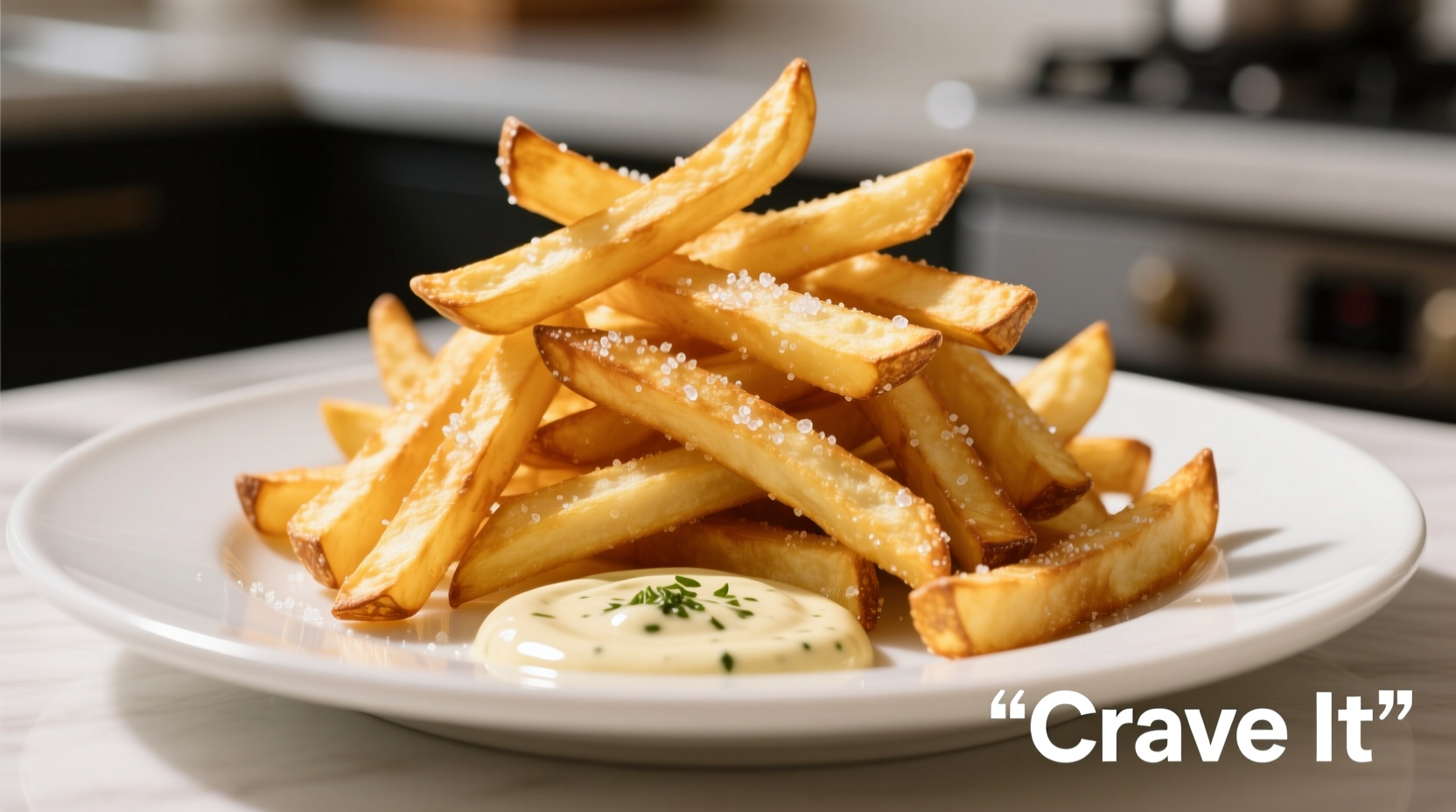
Second Fry (Crisping): Increase oil temperature to 375°F. Fry potatoes again for 2-3 minutes until golden brown. Immediately transfer to paper towels, then season with salt while hot.
Troubleshooting Common Frying Problems
Soggy fries? This usually means insufficient drying after soaking or oil temperature dropping too low. Maintain consistent oil temperature and never skip the drying step.
Burnt exterior, raw interior? Your oil is too hot. Use a thermometer—guessing leads to inconsistent results. The ideal temperature range for the second fry is 365-375°F.
Uneven cooking? Cut potatoes to uniform size. Irregular shapes cook at different rates. A mandoline slicer ensures consistent thickness.
Oil Selection Guidelines by Context
Different oils work best in specific situations. Consider these factors when choosing your frying medium:
- Peanut oil: Best for traditional flavor (smoke point 450°F) - ideal for regular home use
- Canola oil: Most economical option (smoke point 400°F) - good for large batches
- Beef tallow: Authentic historical flavor (smoke point 400°F) - requires refrigeration
- Avoid olive oil: Low smoke point (375°F) creates bitter compounds when overheated
Source: Institute of Food Technologists
Flavor Variations to Try
Once you've mastered the basic technique, experiment with these professional variations:
- Truffle Parmesan: Toss hot fries with 1 tbsp truffle oil and 2 tbsp grated Parmesan
- Spicy Cajun: Mix 1 tsp cayenne, 1 tsp paprika, and 1/2 tsp garlic powder with salt
- Garlic Herb: Toss with fresh minced garlic and parsley during last 30 seconds of frying




 浙公网安备
33010002000092号
浙公网安备
33010002000092号 浙B2-20120091-4