
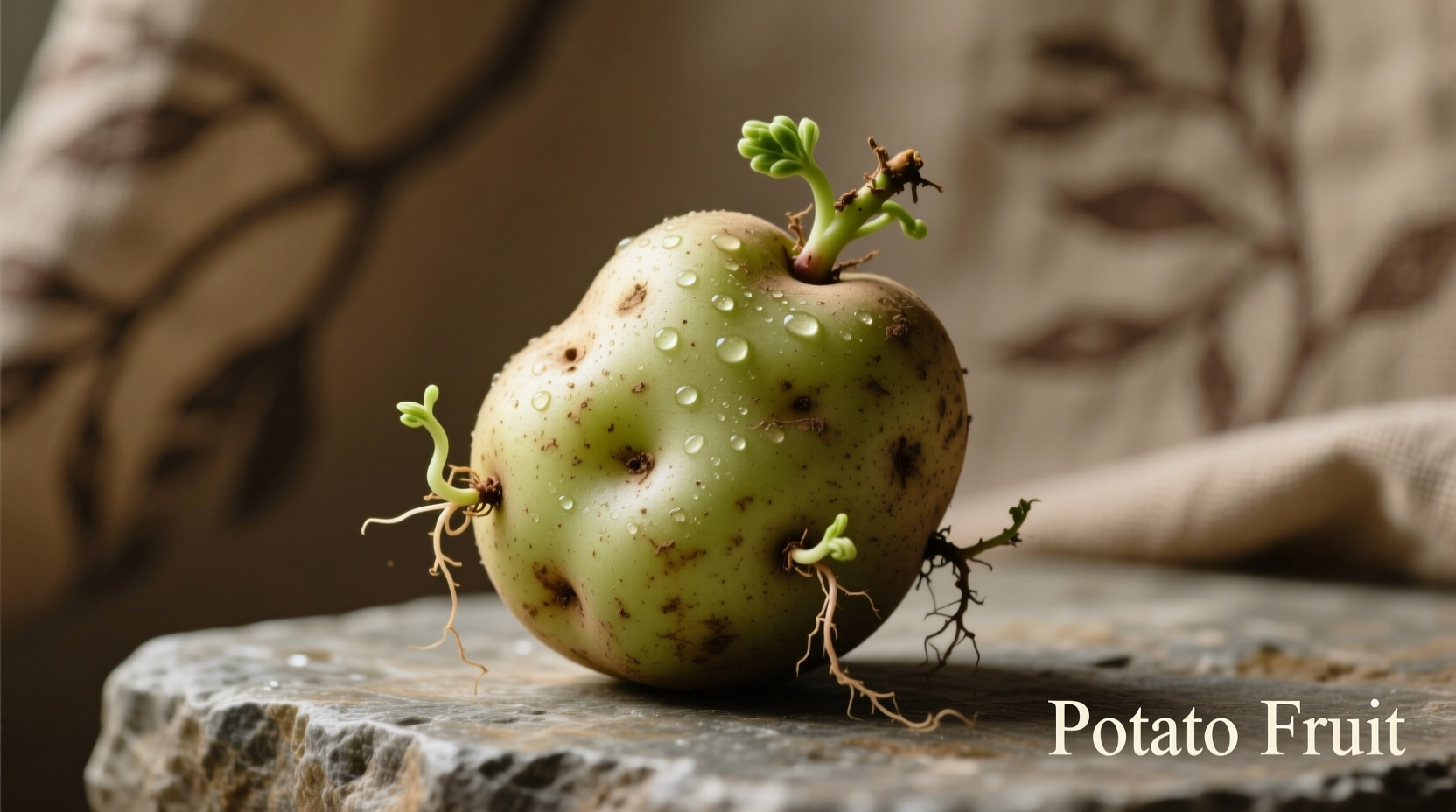
Understanding the Potato Plant's True Fruits
When gardeners and home cooks search for "potato fruit," they're often confused by a fundamental botanical misunderstanding. The edible part we call a potato is actually a tuber, not a fruit. But the potato plant (Solanum tuberosum) does produce genuine fruits that many people never see or recognize.
What Do Potato Fruits Actually Look Like?
Potato plants produce small, round, green berries that resemble tiny tomatoes. These develop after the plant's white or purple flowers are pollinated. The fruits start green and may turn yellowish as they mature, typically reaching about the size of a marble (1-2 cm in diameter).
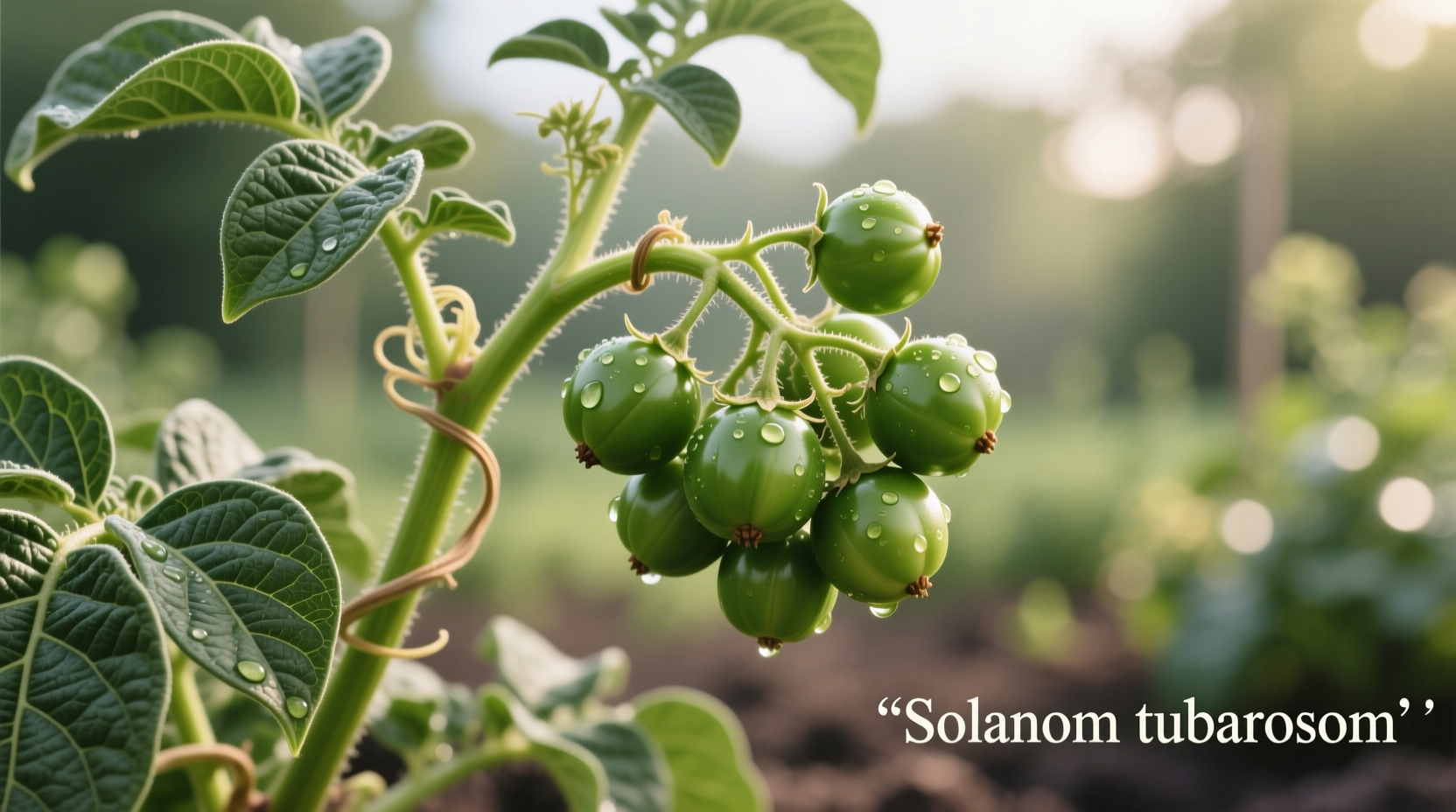
Why Potato Fruits Are Dangerous
Unlike the edible tubers we harvest from underground, these above-ground fruits contain high levels of solanine and other glycoalkaloids—natural toxins that protect the plant from pests. According to the USDA Agricultural Research Service, these compounds can cause:
- Nausea and vomiting
- Headaches and dizziness
- Neurological disturbances
- In severe cases, potentially fatal poisoning
| Characteristic | Potato Tuber (Edible) | Potato Fruit (Toxic) |
|---|---|---|
| Location on Plant | Underground | Above ground |
| Appearance | Rounded, brown skin | Small green berries |
| Edibility | Safe when properly cooked | Poisonous—never eat |
| Toxin Levels | Low (when not green/sprouted) | High (solanine & chaconine) |
Botanical Classification Explained
The confusion stems from basic plant biology. In botanical terms:
- Fruits develop from the flower's ovary and contain seeds
- Vegetables is a culinary term for edible plant parts
- Tubers are specialized storage structures (modified stems)
While potatoes are commonly called "vegetables" in cooking, they're technically stem tubers. The actual fruits—the green berries—contain the plant's seeds but are toxic to humans.
Historical Context of Potato Cultivation
- 8000-5000 BCE: Potatoes first domesticated in the Andes mountains of South America
- 1530s: Spanish conquistadors bring potatoes to Europe
- 1700s: Potato becomes staple crop across Europe despite initial suspicion
- 1845-1852: Irish Potato Famine highlights importance of potato cultivation
- Today: Potatoes rank fourth among global food crops after maize, wheat, and rice (FAO data)
Practical Implications for Gardeners
If you're growing potatoes at home, understanding the fruit production has important implications:
- Flowering doesn't indicate harvest time - Many gardeners mistakenly think flowers mean tubers are ready, but this isn't reliable
- Fruit removal isn't necessary - Unlike tomatoes, removing potato fruits won't improve tuber yield
- Safety first - Teach children that while the underground potatoes are food, the green berries are dangerous
- Seed saving limitations - While possible to grow potatoes from true seeds (from the fruits), this produces unpredictable results as potatoes don't grow true to type from seed
When Potato "Fruit" Confusion Becomes Dangerous
The most serious risk comes when people mistake the toxic berries for edible fruit, or when they consume potatoes that have turned green (which indicates elevated solanine levels). According to the Oregon State University Extension Service, solanine poisoning cases still occur regularly, particularly when:
- People eat green potatoes
- Children consume the attractive green berries
- Improper storage causes sprouting and greening
Proper Potato Storage to Prevent Toxin Development
To keep your edible potatoes safe:
- Store in cool, dark place (45-50°F / 7-10°C)
- Avoid refrigeration (causes sugar conversion)
- Never eat potatoes with significant greening
- Cut away any sprouts or green areas generously
- Discard potatoes that taste bitter
Common Misconceptions About Potato Classification
Several persistent myths cause confusion about potatoes:
- "Potatoes are root vegetables" - False, they're stem tubers (roots lack nodes and buds)
- "All nightshades are poisonous" - False, many nightshades like tomatoes and peppers are safe
- "Potato fruits are just unripe potatoes" - False, they're completely different plant structures
- "If it grows above ground it's safe" - Dangerous misconception with potato plants




 浙公网安备
33010002000092号
浙公网安备
33010002000092号 浙B2-20120091-4