
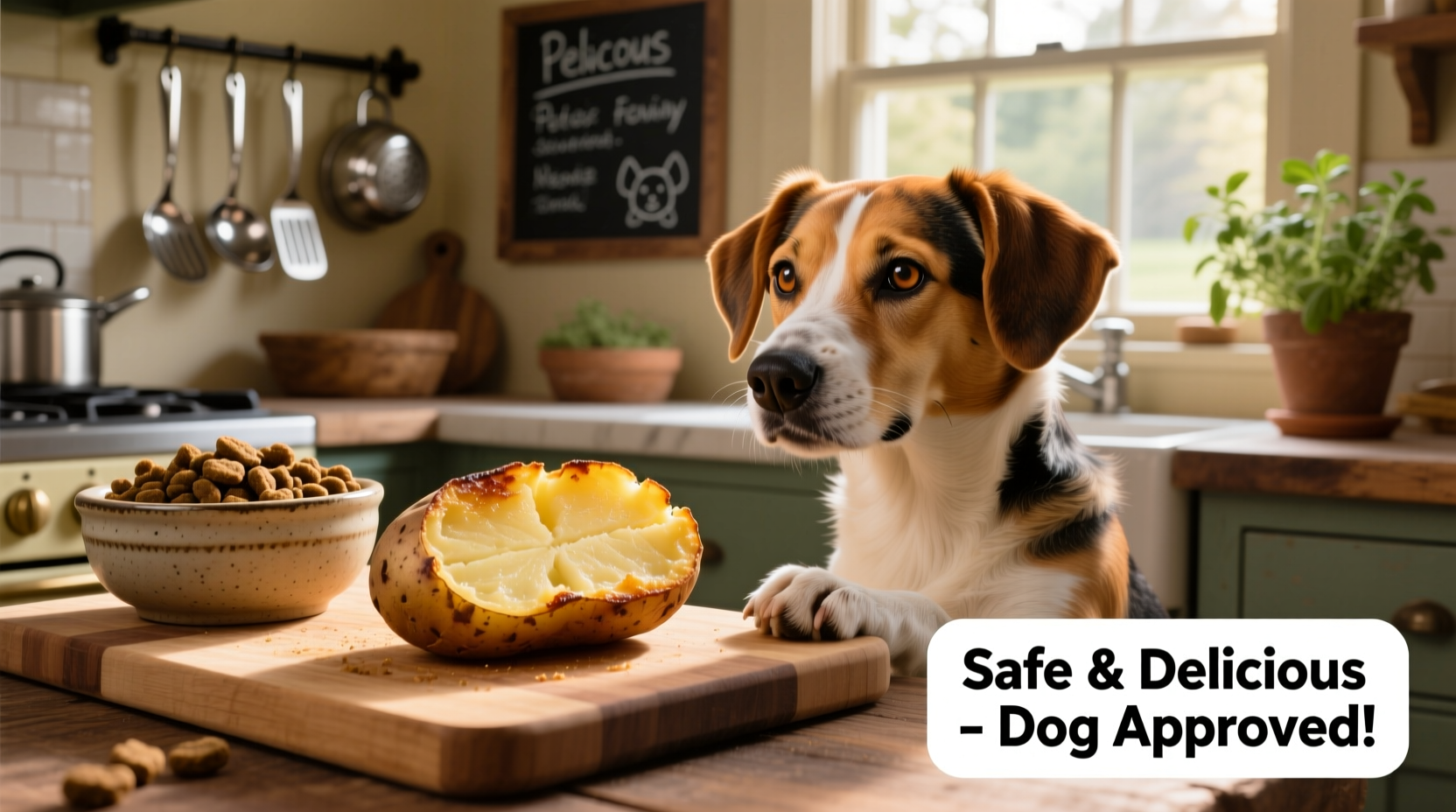
As a dog owner, you've probably wondered whether that leftover potato on your plate could be a safe treat for your furry companion. With conflicting information online, it's crucial to understand exactly how potatoes affect canine health. This guide delivers evidence-based answers from veterinary nutrition experts, helping you make informed decisions about incorporating potatoes into your dog's diet while avoiding potentially dangerous mistakes.
Understanding Potato Safety for Dogs: What You Need to Know First
Before considering potatoes as part of your dog's diet, you must understand the critical difference between raw and cooked potatoes. Raw white potatoes contain solanine, a naturally occurring toxin that can cause serious health issues in dogs. This glycoalkaloid compound protects the plant in the wild but becomes significantly less concentrated when potatoes are thoroughly cooked.
| Potato Type | Solanine Content | Dog Safety Rating | Preparation Requirement |
|---|---|---|---|
| Raw white potato | High (0.5-1.0mg/g) | Dangerous | Never feed raw |
| Cooked white potato | Low (0.1-0.2mg/g) | Safe in moderation | Boiled/baked without seasoning |
| Raw sweet potato | Negligible | Difficult to digest | Not recommended |
| Cooked sweet potato | Negligible | Most beneficial option | Boiled/baked without seasoning |
The American Kennel Club (AKC) confirms that cooked potatoes can be a safe occasional treat when prepared correctly, while warning against raw potato consumption. Similarly, the Veterinary Partner organization emphasizes that solanine toxicity remains a genuine concern with raw potatoes, particularly in green or sprouted specimens where concentrations increase significantly.

When Potatoes Benefit Canine Health: The Nutritional Perspective
Cooked potatoes, particularly sweet varieties, offer several nutritional benefits when incorporated appropriately into a dog's diet. Sweet potatoes rank among the top vegetable recommendations from board-certified veterinary nutritionists due to their rich beta-carotene content, which converts to vitamin A in your dog's system. This nutrient supports healthy vision, immune function, and skin health.
According to research published in the Journal of Animal Physiology and Animal Nutrition, sweet potatoes provide:
- High fiber content that supports digestive health
- Complex carbohydrates for sustained energy
- Vitamins B6, C, and manganese
- Potassium for proper muscle function
- Antioxidants that combat cellular damage
Many veterinarians recommend cooked sweet potatoes as a temporary dietary addition for dogs experiencing digestive upset. The fiber content helps regulate bowel movements, while the easily digestible carbohydrates provide energy without straining the digestive system. However, potatoes should never replace balanced commercial dog food as the primary nutrition source.
Potato Preparation Guidelines: Ensuring Safety and Digestibility
Proper preparation makes all the difference when feeding potatoes to dogs. Follow these evidence-based guidelines to maximize safety and nutritional value:
- Always cook thoroughly - Boiling or baking until fork-tender reduces solanine and improves digestibility
- Remove all skins - Potato skins contain higher solanine concentrations and can be difficult to digest
- Avoid seasonings - Never add salt, butter, garlic, or onions which are toxic to dogs
- Cut into small pieces - Prevents choking hazards, especially for smaller breeds
- Cool completely - Feeding hot food can burn your dog's mouth and throat
The appropriate serving size depends on your dog's weight. As a general rule from the Association of American Feed Control Officials (AAFCO), potatoes should comprise no more than 10% of your dog's daily caloric intake. For most medium-sized dogs, this translates to approximately 1-2 tablespoons of cooked potato per meal. Larger breeds might safely consume up to ¼ cup, while toy breeds should receive only 1-2 teaspoons.
Recognizing and Responding to Potato-Related Health Issues
Understanding the timeline of potential symptoms is crucial if your dog consumes raw potatoes. The Merck Veterinary Manual documents the following progression:
- 30-60 minutes: Excessive drooling, nausea, abdominal discomfort
- 2-12 hours: Vomiting, diarrhea, weakness, lethargy
- 12-24 hours: Neurological symptoms including tremors or seizures in severe cases
- 24-72 hours: Recovery period with continued monitoring for complications
If your dog ingests raw potatoes, contact your veterinarian immediately. Do not induce vomiting unless specifically instructed by a professional. Keep a sample of what your dog consumed to help with identification and treatment planning. Most cases of mild solanine exposure resolve with supportive care, but severe cases may require hospitalization.
Special Considerations: When to Avoid Potatoes Completely
Certain health conditions make potatoes inappropriate for dogs, regardless of preparation method:
- Diabetes - The high glycemic index of white potatoes can cause dangerous blood sugar spikes
- Pancreatitis history - Even healthy dogs should avoid high-carbohydrate foods during recovery
- Obesity - Potatoes add unnecessary calories for weight management dogs
- Kidney disease - Potassium content may need restriction in advanced cases
- Puppies under 6 months - Developing digestive systems handle novel foods poorly
Always consult your veterinarian before introducing potatoes to dogs with pre-existing health conditions. Your vet can help determine whether the potential benefits outweigh any risks based on your dog's specific health profile and nutritional needs.




 浙公网安备
33010002000092号
浙公网安备
33010002000092号 浙B2-20120091-4