
Understanding Potato Foot: Causes, Symptoms, and Solutions
When gardeners and farmers notice their potato plants developing blackened bases and sudden wilting, they often search for "potato foot"—a colloquial term for what agricultural experts call potato blackleg or foot rot. This bacterial disease targets the critical junction between roots and stems, compromising the plant's structural integrity and nutrient transport system.
What Exactly Is Potato Foot?
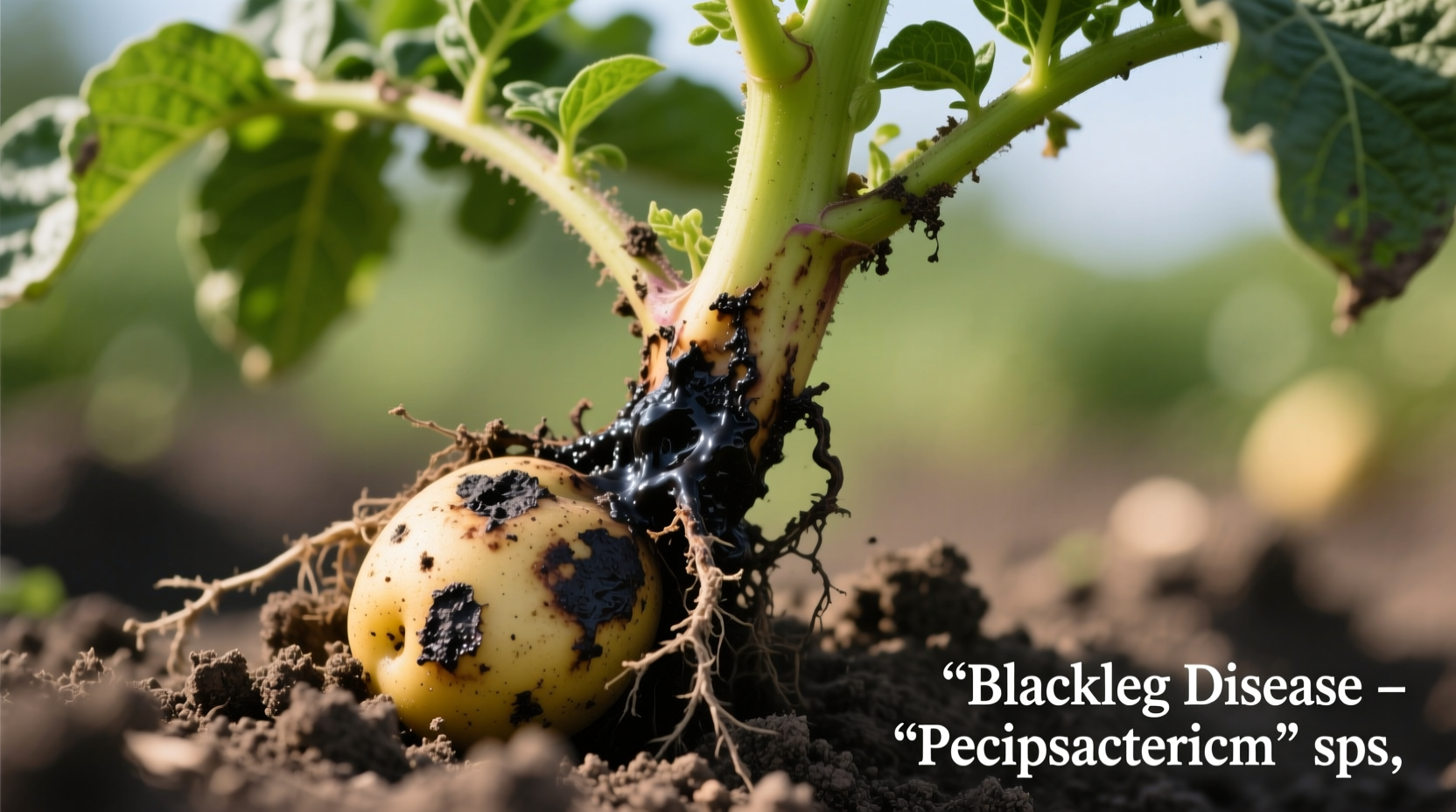
"Potato foot" isn't a formal agricultural term but describes the characteristic blackening that occurs at the foot or base of infected potato plants. The primary pathogens responsible are Pectobacterium atrosepticum and Dickeya dianthicola, soil-borne bacteria that thrive in cool, wet conditions. These pathogens enter through wounds or natural openings in young stems, rapidly multiplying and producing enzymes that break down plant tissue.
Unlike common potato pests that target tubers directly, potato foot disease attacks the vascular system, causing systemic damage that often proves fatal to the plant. The disease earned its "foot" reference from the distinctive black lesions that typically begin at soil level and progress upward.
Key Symptoms: How to Identify Potato Foot Disease
Early detection is crucial for managing potato foot. Watch for these progression stages:
- Initial stage: Water-soaked, dark green lesions at the stem base near soil line
- Mid-stage: Lesions turn black and extend 2-4 inches up the stem; lower leaves yellow
- Advanced stage: Entire lower stem blackens; plants wilt dramatically; foul odor develops
- Terminal stage: Complete plant collapse; tubers develop soft rot with black margins
| Disease | Distinctive Symptoms | Soil Temperature Preference | Plant Response |
|---|---|---|---|
| Blackleg (Potato Foot) | Black lesions starting at soil line, foul odor, water-soaked tissue | 50-70°F (10-21°C) | Rapid wilting and collapse |
| Early Blight | Concentric rings on leaves, starts on older foliage | 75-85°F (24-29°C) | Gradual leaf death |
| Verticillium Wilt | V-shaped yellowing on leaves, brown streaks in vascular tissue | 70-85°F (21-29°C) | Slow decline over weeks |
Disease Progression Timeline
Understanding how quickly potato foot advances helps determine appropriate intervention:
- Day 1-3: Bacteria enter through stem wounds; no visible symptoms
- Day 4-7: Water-soaked lesions appear at soil line; slight leaf yellowing
- Day 8-10: Black lesions extend up stem; lower leaves wilt
- Day 11-14: Complete lower stem blackening; strong rotting odor
- Day 15+: Plant collapse; secondary infections spread to neighboring plants
This rapid progression explains why gardeners often feel they've "missed the window" for treatment—the disease moves from invisible to catastrophic in under two weeks under ideal conditions.
Prevention Strategies That Actually Work
Preventing potato foot requires a multi-pronged approach focused on breaking the disease cycle:
Seed Selection and Preparation
- Always use certified disease-free seed potatoes from reputable suppliers
- Inspect seed potatoes for any soft spots or discoloration before planting
- Consider pre-planting treatment: USDA research shows a 10-minute soak in 1% hydrogen peroxide solution reduces surface bacteria by 92%
Cultural Practices
- Implement strict 4-year crop rotation with non-host plants (grains, legumes)
- Maintain excellent drainage—raised beds work best in heavy soils
- Avoid overhead watering to keep foliage and stem bases dry
- Space plants adequately (12-15 inches apart) for air circulation
Environmental Management
Potato foot has specific environmental triggers you can manage:
- Temperature sensitivity: Disease development slows significantly above 75°F (24°C)
- Moisture control: Maintain soil moisture below 80% saturation—install drainage tiles if needed
- Soil pH: Slightly alkaline conditions (pH 6.8-7.2) inhibit bacterial growth
When Prevention Fails: Treatment Options
If you spot early symptoms, immediate action can save unaffected plants:
- Isolate affected plants: Remove and destroy infected plants immediately—do not compost
- Apply copper-based fungicide: While not a cure, copper sprays can limit spread (use only as directed)
- Improve soil aeration: Gently cultivate around healthy plants to increase oxygen to roots
- Reduce watering: Allow top 2 inches of soil to dry between waterings
According to University of Minnesota Extension, once black lesions extend more than 3 inches up the stem, the plant cannot be saved. Focus efforts on protecting neighboring plants instead of trying to rescue severely infected specimens.
Common Misconceptions About Potato Foot
Gardeners often make these critical mistakes when dealing with potato foot:
- Mistake: Assuming it's a fungal disease treatable with standard fungicides
Reality: Bacterial infections require different management approaches - Mistake: Cutting off blackened portions to save the plant
Reality: Pathogens have already spread systemically—this just creates more entry points - Mistake: Waiting to see if plants recover on their own
Reality: The disease progresses too rapidly for passive monitoring
Long-Term Management for Future Seasons
After an outbreak, implement these strategies for future plantings:
- Test soil for residual bacteria before replanting potatoes
- Plant resistant varieties like 'Russet Burbank' or 'Yukon Gold' which show partial resistance
- Apply biological controls: Royal Horticultural Society recommends Bacillus subtilis as an effective soil treatment
- Keep detailed records of planting locations to maintain accurate rotation schedules
Remember that complete eradication from soil may take 3-4 years—patience and consistency with rotation practices are essential.
When to Call a Professional
Consult an agricultural extension agent if:
- More than 25% of your plants show symptoms
- The disease reappears despite proper rotation
- You're unsure whether it's bacterial blackleg or another condition
- You need help identifying resistant varieties for your specific climate
Most county extension offices offer free or low-cost disease diagnosis services—don't hesitate to use these valuable resources.




 浙公网安备
33010002000092号
浙公网安备
33010002000092号 浙B2-20120091-4