

Based on current nutritional science, a potato diet can provide essential nutrients and support weight management when properly balanced, but it's not recommended as a long-term exclusive eating plan due to potential nutrient deficiencies and blood sugar concerns. Potatoes contain valuable potassium, vitamin C, and fiber, but should be part of a varied diet rather than the sole food source.
Understanding the Potato Diet: Science, Benefits, and Practical Implementation
When you're exploring dietary approaches for better health or weight management, the potato diet often emerges as a topic of interest. This comprehensive guide cuts through the hype to deliver evidence-based information about incorporating potatoes into your eating pattern safely and effectively.
What Exactly Is a Potato Diet?
The potato diet typically refers to eating potatoes as a primary food source, either for short-term resets or as a significant component of regular meals. Unlike fad diets that eliminate entire food groups, a balanced approach to potato consumption leverages this versatile vegetable's nutritional profile while maintaining dietary diversity.
Historically, potatoes have sustained populations for centuries. As Maya Gonzalez explains from her research in Andean communities: "Indigenous cultures in South America cultivated over 4,000 potato varieties, integrating them into balanced diets alongside other local crops. They understood that potatoes alone couldn't provide complete nutrition—that wisdom remains relevant today."
Nutritional Powerhouse: What Potatoes Actually Offer
Contrary to popular misconception, potatoes deliver impressive nutritional value when prepared properly. According to USDA FoodData Central, a medium-sized boiled potato with skin provides:
| Nutrient | Amount | % Daily Value |
|---|---|---|
| Calories | 163 | 8% |
| Fiber | 3.8g | 14% |
| Potassium | 926mg | 20% |
| Vitamin C | 27mg | 30% |
| Vitamin B6 | 0.6mg | 29% |
Notably, cooling cooked potatoes increases resistant starch content by up to 50%, which functions as a prebiotic fiber supporting gut health according to research published in the Journal of Nutrition.
Evidence-Based Benefits of Strategic Potato Consumption
When incorporated thoughtfully into your eating pattern, potatoes offer several science-supported advantages:
- Satiety enhancement: Research from the University of Leeds found boiled potatoes rank highest on the satiety index—more filling than pasta or rice by weight, potentially supporting weight management
- Blood pressure support: The potassium content in potatoes may help counterbalance sodium effects, with studies in the American Journal of Clinical Nutrition showing improved blood pressure metrics
- Gut health promotion: As mentioned, cooled potatoes develop resistant starch that feeds beneficial gut bacteria, potentially improving metabolic health
- Budget-friendly nutrition: Potatoes consistently rank among the most cost-effective sources of potassium and vitamin C according to USDA Economic Research Service data
Important Considerations and Limitations
While potatoes offer nutritional benefits, certain limitations require awareness for safe implementation:
| Benefit | Limitation | Practical Solution |
|---|---|---|
| High in potassium | Problematic for kidney disease patients | Consult nephrologist; may require portion control |
| Good vitamin C source | Vitamin C degrades with prolonged storage | Store in cool dark place; consume within 2-3 weeks |
| Naturally fat-free | High glycemic index when processed | Eat with skin; pair with protein/fat; cool after cooking |
The National Institutes of Health cautions that exclusive potato diets lack sufficient vitamin A, E, K, and certain amino acids. Additionally, the Academy of Nutrition and Dietetics notes that frying or excessive buttering negates many health benefits.
Implementing a Balanced Potato Approach
For those interested in leveraging potatoes' benefits without nutritional risks, consider these evidence-based strategies:
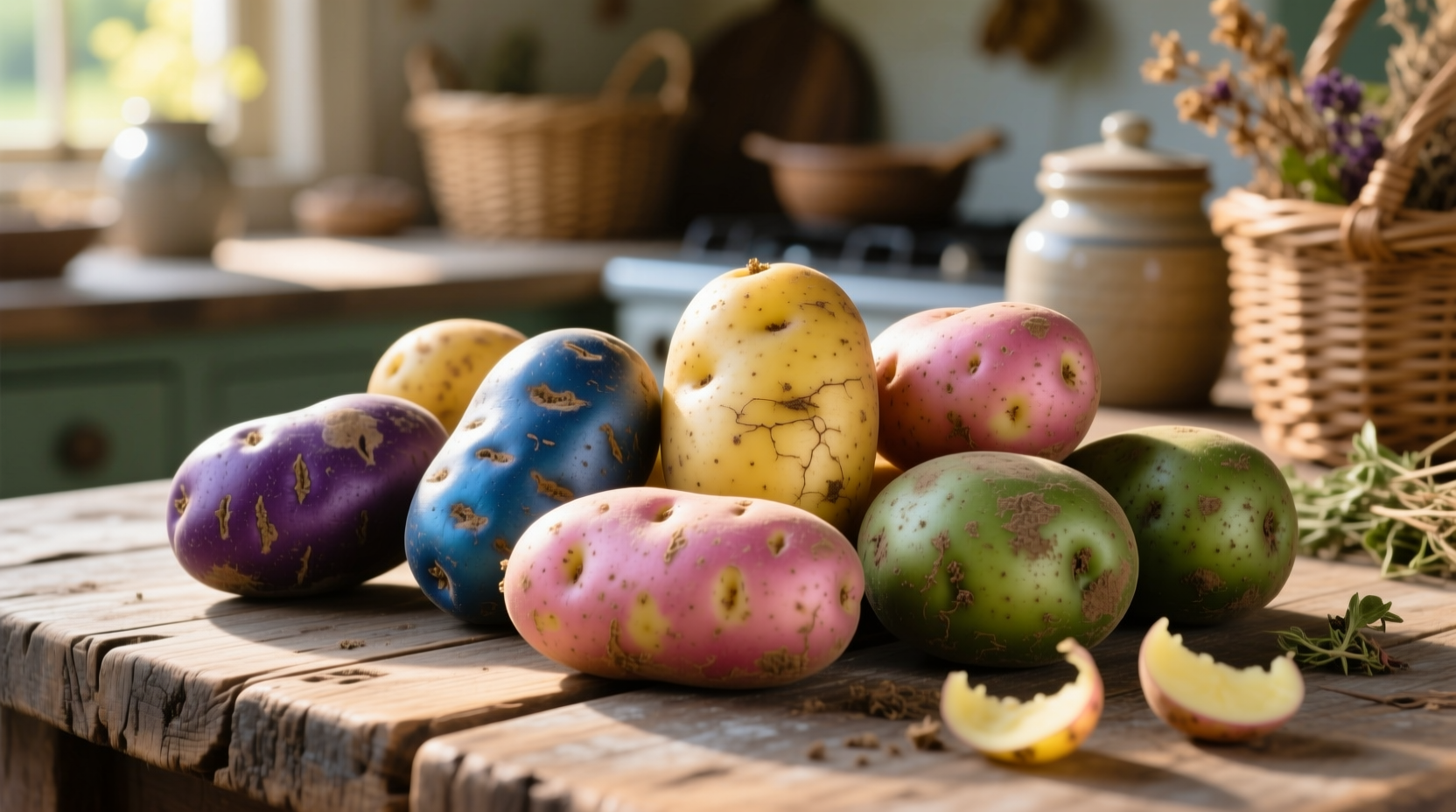
- Embrace variety: Rotate between sweet potatoes, purple potatoes, and standard varieties to maximize phytonutrient diversity
- Optimize preparation: Boil or steam with skin intact, then cool before eating to increase resistant starch
- Balance your plate: Follow the Harvard Healthy Eating Plate model—make potatoes 1/4 of your plate, with vegetables filling 1/2 and protein 1/4
- Pair strategically: Combine potatoes with healthy fats (olive oil, avocado) and protein to moderate blood sugar response
- Avoid extreme restrictions: Never eliminate all other food groups—potatoes work best as part of dietary diversity
Who Should Approach with Caution
Certain populations require special consideration before increasing potato consumption:
- Individuals with type 2 diabetes should monitor blood glucose responses and consult their healthcare provider
- People with kidney disease may need to limit potassium intake as advised by their nephrologist
- Those with potato allergies (rare but possible) should avoid entirely
- Individuals managing weight might benefit from portion control—1 medium potato equals one carbohydrate serving
The American Diabetes Association recommends pairing potatoes with non-starchy vegetables and protein to create more balanced meals that support stable blood sugar levels.
Debunking Common Potato Diet Myths
Let's address several persistent misconceptions about potatoes:
- Myth: Potatoes cause weight gain
- Reality: Potatoes themselves aren't fattening—preparation method and portion size determine caloric impact. Boiled potatoes rank higher on satiety index than many "diet" foods
- Myth: Sweet potatoes are always healthier than white potatoes
- Reality: Both offer unique benefits—white potatoes provide more potassium while sweet potatoes offer beta-carotene. Variety matters most
- Myth: Potato skins contain dangerous toxins
- Reality: While green spots indicate solanine (remove these), properly stored potato skins contain valuable fiber and nutrients
Creating Sustainable Eating Patterns
Rather than viewing potatoes as a standalone diet solution, consider them one component of a diverse eating pattern. The Dietary Guidelines for Americans emphasizes variety, proportionality, and moderation as pillars of healthy eating.
As Maya Gonzalez notes from her field research: "Traditional Andean communities never relied solely on potatoes—they combined them with quinoa, corn, and other local crops to create nutritionally complete meals. This wisdom of dietary diversity remains our best approach today."




 浙公网安备
33010002000092号
浙公网安备
33010002000092号 浙B2-20120091-4