
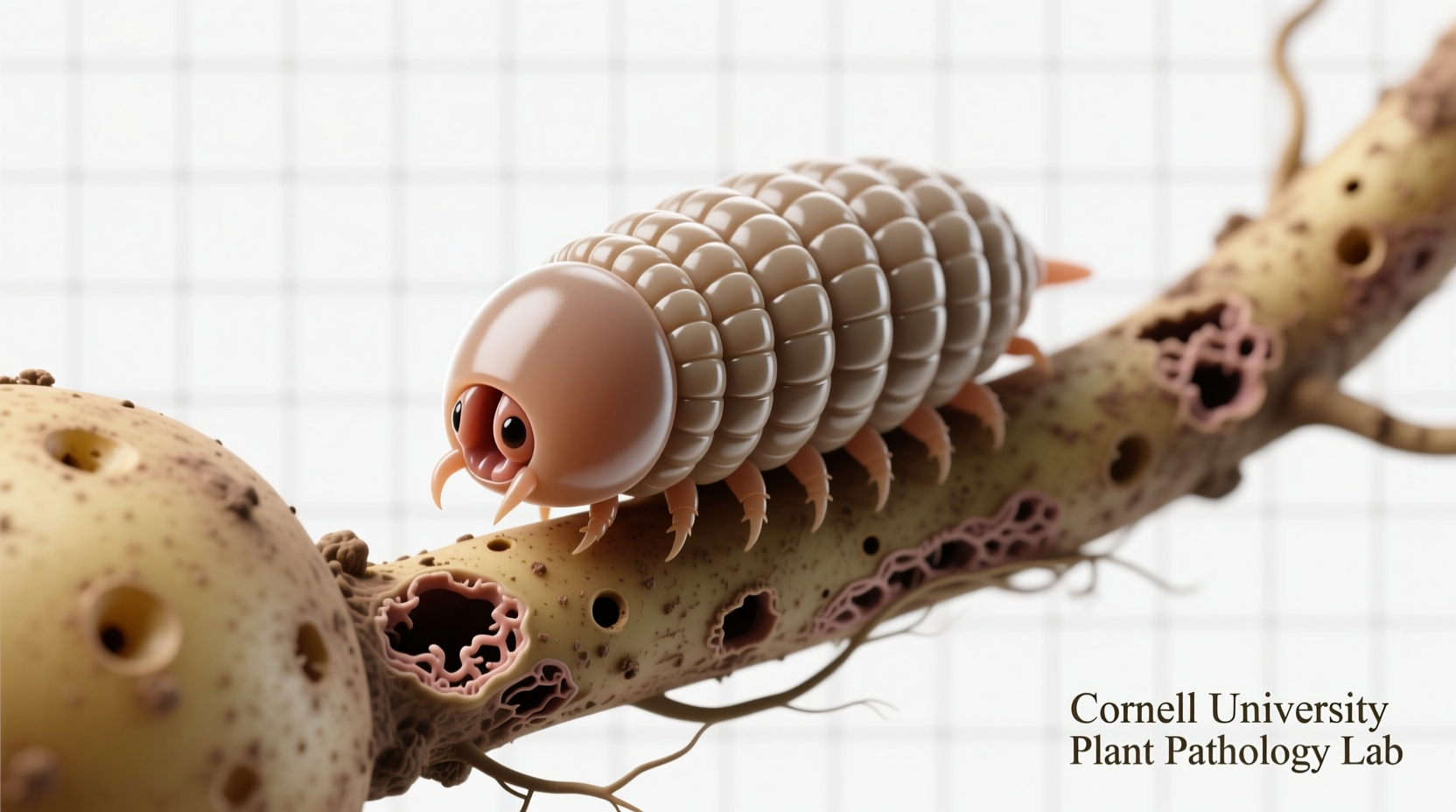
Understanding Potato Cyst Nematode: The Silent Yield Killer
When potato cyst nematode invades your fields, you're facing one of agriculture's most persistent threats. These microscopic roundworms (Globodera species) can survive in soil for up to 30 years without a host plant, silently multiplying while reducing your potato yields by 30-80%. Cornell University researchers have documented cases where undetected infestations caused complete crop failure in previously productive fields.
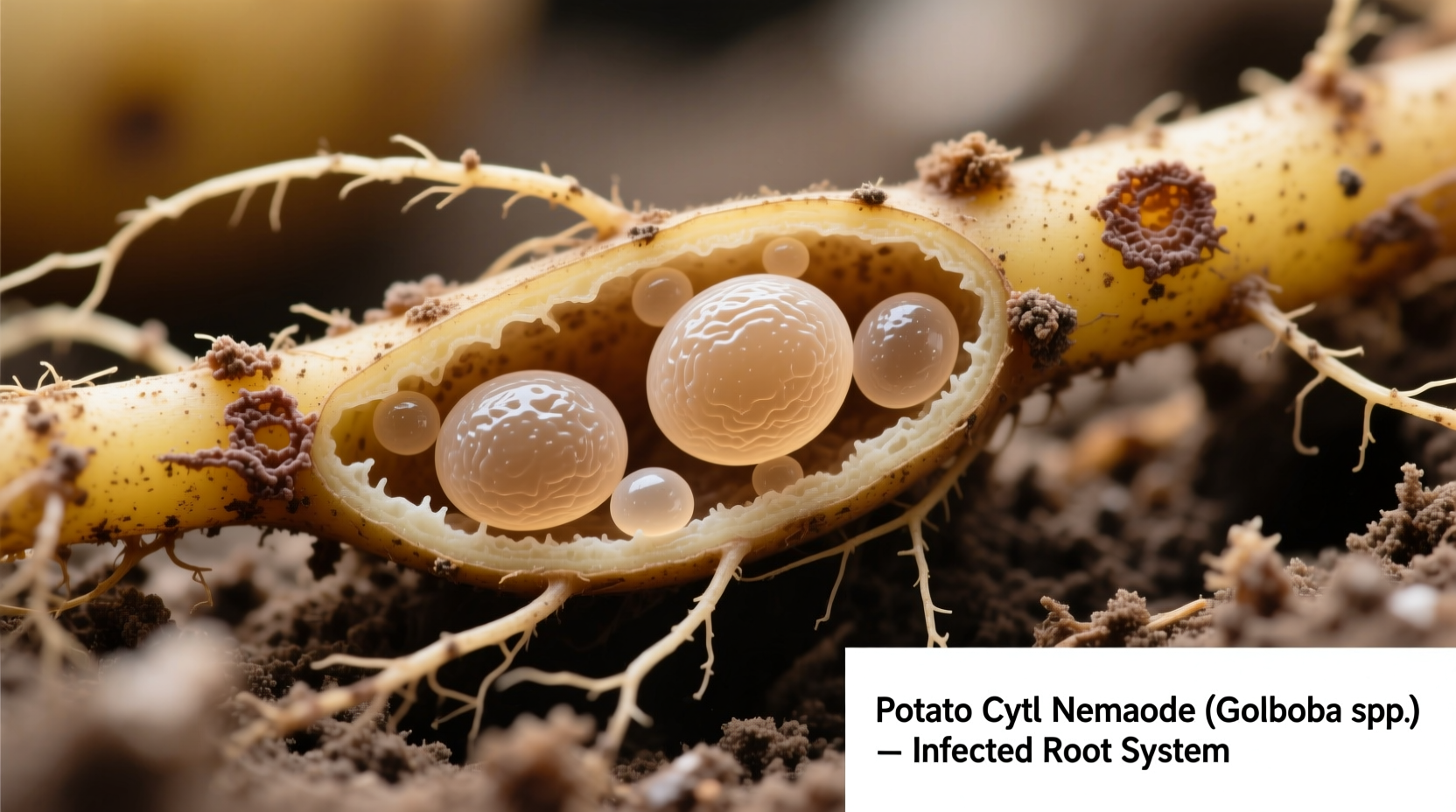
Why Cornell's Research Matters for PCN Management
Cornell's decades-long research on potato cyst nematode provides Northeast farmers with region-specific solutions. Unlike generic advice, Cornell's recommendations account for our unique soil types, climate patterns, and cropping systems. The university's College of Agriculture and Life Sciences maintains one of North America's most comprehensive PCN monitoring programs, tracking both the golden (G. rostochiensis) and pale cyst (G. pallida) nematode species.
PCN Identification: Spotting the Invisible Threat
You can't manage what you don't detect. Cornell's diagnostic protocol helps farmers identify PCN before significant damage occurs:
- Visual symptoms: Yellowing foliage, stunted plants, and premature senescence that resemble nutrient deficiencies
- Root inspection: Tiny white to yellow cysts (0.5-1mm) attached to roots - these are female nematodes filled with eggs
- Soil testing: Cornell Cooperative Extension recommends soil sampling every 3-5 years in potato fields
| PCN Species | Primary Hosts | Key Identification | Cornell-Documented Prevalence |
|---|---|---|---|
| Golden cyst nematode (G. rostochiensis) | Potatoes, tomatoes, eggplants | Bright yellow cysts on roots | Widespread in NY, PA, MI |
| Pale cyst nematode (G. pallida) | Potatoes only | Pale yellow to brown cysts | Increasing in NY, VT, ME |
Proven Management Strategies from Cornell Field Trials
Based on 15+ years of field research at Cornell's research farms, effective PCN management requires an integrated approach. Single-tactic solutions fail against this resilient pest.
Resistant Varieties: Your First Defense Line
Cornell trials show resistant potato varieties reduce PCN populations by 70-90% compared to susceptible varieties. The university's variety trials consistently identify:
- Superior and Allegany for golden cyst nematode resistance
- Maris Piper and Cara for pale cyst nematode resistance
- Important note: Resistance varies by PCN population - always test your fields first
Crop Rotation: Breaking the Life Cycle
Cornell's research demonstrates that 6-8 year rotations with non-host crops significantly reduce PCN populations. Effective rotation crops include:
- Grasses (corn, sorghum)
- Brassicas (mustard, rapeseed)
- Legumes (soybeans, alfalfa)
"Short rotations of 2-3 years actually increase PCN problems by stimulating cyst hatching without providing host plants," explains Dr. Robert Schlemmer, Cornell nematologist. "Our data shows the critical threshold is maintaining non-host crops for at least six growing seasons."
Biological Control: Cornell's Promising Research
Cornell researchers are advancing biological control methods that show real promise:
- Potato cyst nematode trap crops: Nemagon mustard varieties that stimulate hatching but don't support reproduction
- Microbial treatments: Pochonia chlamydosporia fungus that parasitizes nematode eggs
- Soil health focus: Cornell trials show high organic matter soils (5%+) naturally suppress PCN populations
Cornell's PCN Research Timeline: Key Milestones
Understanding the evolution of Cornell's research helps contextualize current recommendations:
- 1982: First PCN detection in New York state (Suffolk County)
- 1995: Cornell establishes Northeastern PCN diagnostic lab
- 2003: Development of molecular identification methods for PCN species
- 2010: Launch of Cornell's PCN mapping project across Northeastern farms
- 2018: Identification of new PCN-resistant potato varieties through Cornell breeding program
- 2023: Implementation of Cornell's PCN risk assessment model for Northeast farms
When Management Strategies Fail: Context Boundaries
Cornell's research identifies specific conditions where standard PCN management fails:
- High-sand soils: PCN populations persist longer due to better drainage and aeration
- Continuous potato production: Even with resistant varieties, PCN adapts within 8-10 years
- Contaminated equipment: One soil clod can introduce PCN to clean fields - Cornell recommends strict sanitation protocols
- Warm springs: Early hatching reduces effectiveness of trap crops
"We've documented cases where farmers followed all recommended practices but still experienced PCN outbreaks due to undetected field variability," notes Cornell's Dr. Elena Rodriguez. "Soil testing every 500 feet is crucial for accurate management."
Preventing PCN Introduction: Cornell's Biosecurity Protocol
Prevention beats treatment. Cornell's biosecurity recommendations include:
- Test all new fields before planting potatoes
- Sanitize equipment between fields with 10% bleach solution
- Require soil test documentation for all seed potatoes
- Establish buffer zones between infested and clean fields
- Monitor water runoff paths that could transport cysts
Current Research Directions at Cornell
Cornell scientists are working on next-generation PCN solutions:
- Developing rapid field test kits for PCN detection
- Mapping PCN genetic diversity to predict resistance breakdown
- Testing cover crop blends that suppress PCN while improving soil health
- Creating economic models to help farmers decide when eradication is cost-effective
Practical Next Steps for Farmers
Based on Cornell's research, take these immediate actions:
- Submit soil samples to Cornell's Nematology Lab for PCN testing
- Review your rotation history using Cornell's PCN risk assessment tool
- Contact your local Cornell Cooperative Extension office for field-specific advice
- Implement equipment sanitation protocols before next planting season
Frequently Asked Questions
How can I distinguish potato cyst nematode from other soil problems?
PCN causes patchy crop damage that worsens over successive potato crops. The definitive identifier is finding tiny cysts (0.5-1mm) on roots - these appear as white to yellow dots that don't wash off. Cornell's diagnostic lab confirms species through microscopic examination and molecular testing.
Are there effective chemical treatments for potato cyst nematode?
Cornell research shows limited effectiveness of nematicides against PCN. While products like fluopyram show some suppression, they don't eliminate established populations and require multiple applications. Cornell recommends integrated management over chemical reliance due to PCN's resilience and environmental concerns.
Can I still sell my potatoes if my field has PCN?
Yes, but with restrictions. PCN affects soil, not tubers, so your current crop remains marketable. However, USDA and state regulations require disclosure of PCN-infested fields when selling land. Cornell advises developing a management plan before your next potato planting to maintain field productivity and market access.
How much does PCN testing cost through Cornell?
Cornell's Nematology Lab charges $35 per soil sample for standard PCN testing, with results in 10-14 business days. Priority testing (5-7 days) costs $55. The lab recommends sampling at 500-foot intervals in suspected fields, with a minimum of 5 samples per 10 acres for accurate assessment.




 浙公网安备
33010002000092号
浙公网安备
33010002000092号 浙B2-20120091-4