
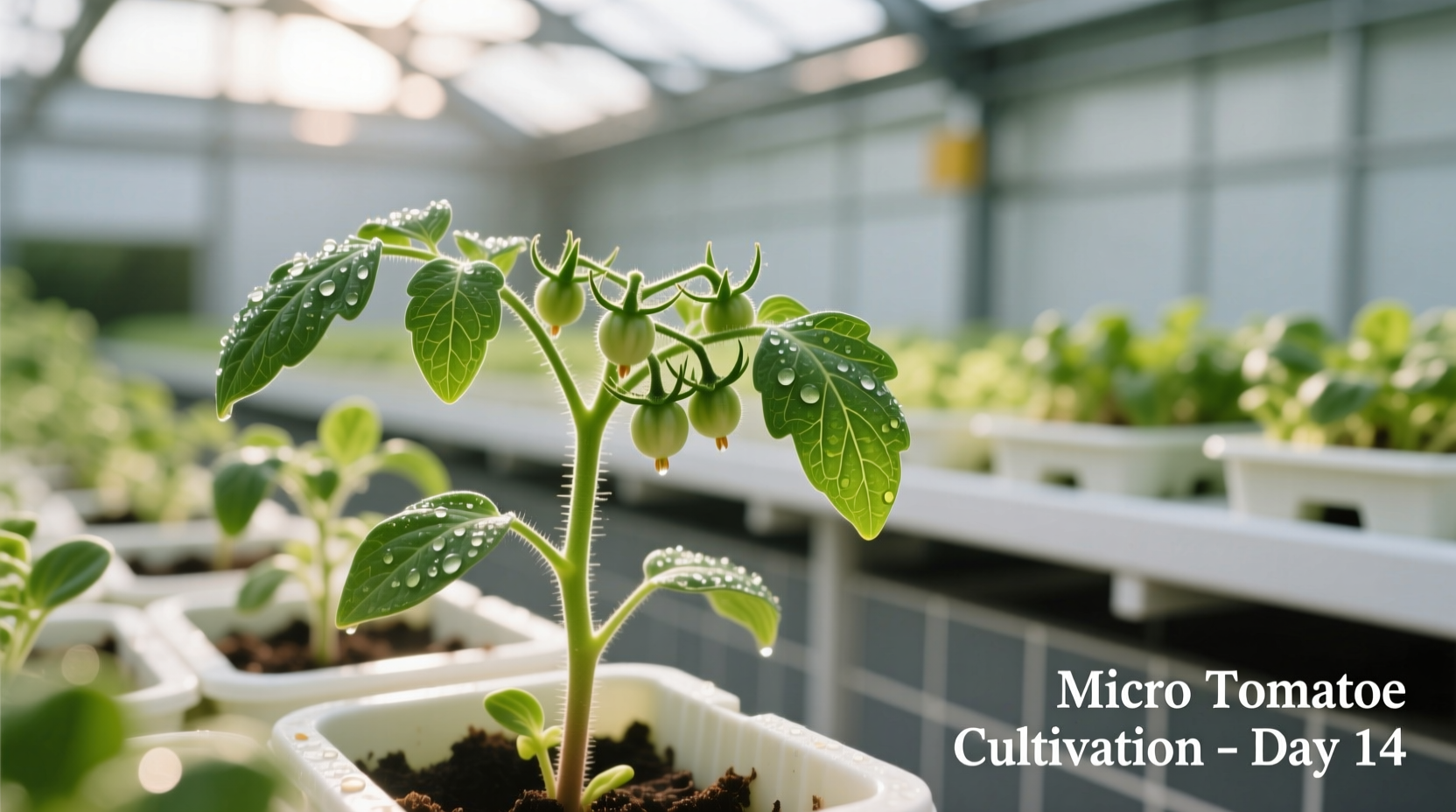
What Exactly Are Micro Tomato Plants?
Micro tomato plants represent a specialized category of Solanum lycopersicum cultivars bred specifically for their miniature fruit size and compact growth habit. Unlike standard cherry tomatoes (which typically range from 0.5-1 inch in diameter), true micro varieties produce fruits measuring 0.2-0.5 inches across—about the size of a marble or small grape.
These diminutive tomatoes maintain the complex flavor profile of their larger counterparts while adapting to constrained growing environments. Their small size doesn't compromise taste; in fact, many micro varieties concentrate sugars and acids more intensely than standard tomatoes, resulting in remarkably flavorful fruits despite their tiny stature.

Micro vs. Cherry vs. Standard Tomatoes: Key Differences
| Characteristic | Micro Tomatoes | Cherry Tomatoes | Standard Tomatoes |
|---|---|---|---|
| Fruit diameter | 0.2-0.5 inches | 0.5-1 inch | 2+ inches |
| Plant height | 12-24 inches | 4-8 feet | 3-6 feet |
| Container size | 2-5 gallons | 5+ gallons | 10+ gallons |
| Flavor concentration | Highest | Moderate | Variable |
| Best for | Small spaces, containers | Garden beds, large containers | Traditional garden beds |
According to the University of California Agriculture and Natural Resources, micro tomatoes have gained popularity among urban gardeners due to their space efficiency without sacrificing flavor quality. Their compact nature makes them particularly suitable for patio containers, window boxes, and even indoor growing with proper lighting.
Evolution of Micro Tomato Varieties
The development of micro tomato varieties represents decades of selective breeding focused on miniaturization while preserving flavor. This timeline shows key milestones:
- 1980s: Initial breeding efforts in Japan focused on creating ultra-compact tomato varieties for limited-space gardening
- 1995: First commercially available micro variety 'Micro Tom' developed by University of Florida researchers
- 2005: Introduction of disease-resistant micro varieties addressing common tomato pathogens
- 2015: Development of micro varieties specifically bred for container performance and continuous production
- 2022: Current generation micro tomatoes offering improved heat tolerance and extended harvest windows
As documented by Cornell University's School of Integrative Plant Science, modern micro varieties have overcome early limitations of low yield and disease susceptibility through careful breeding programs focused on maintaining genetic diversity while selecting for desirable traits.
Top Micro Tomato Varieties for Your Garden
Choosing the right variety depends on your specific growing conditions and flavor preferences. These proven performers deliver excellent results in constrained spaces:
Best for Container Gardening
- Patio Choice Yellow: Bright yellow fruits with exceptional sweetness, compact 18-inch plants
- Micro Tom: The original research variety, produces abundant red fruits on 12-inch plants
- Tiny Tim: Classic variety with reliable production of 1-inch fruits on dwarf plants
Best for Flavor Intensity
- Red Robin: Deep red fruits with complex sweet-tart balance, ideal for salads
- Gold Rush: Golden-yellow variety with honey-like sweetness and low acidity
- Black Micro: Heirloom-style micro variety with rich, earthy flavor notes
Your Step-by-Step Growing Guide
Starting Seeds Successfully
Micro tomatoes require the same basic germination conditions as standard varieties but with some space-saving advantages:
- Start seeds indoors 6-8 weeks before last frost date
- Use small cell trays (2-3 inches wide) since seedlings remain compact
- Maintain soil temperature at 70-80°F (21-27°C) for optimal germination
- Provide 14-16 hours of light daily using LED grow lights positioned 2-4 inches above seedlings
Unlike larger tomato varieties, micro tomatoes can often be grown to maturity in the same container where they were started, eliminating transplant shock.
Optimal Container Setup
Proper container selection makes the difference between mediocre and exceptional harvests:
- Size: Minimum 2-5 gallon containers (larger = better production)
- Material: Fabric pots provide superior root aeration compared to plastic
- Soil: Use high-quality potting mix with 30% perlite for drainage
- Fertilizer: Apply balanced organic fertilizer every 2 weeks after first flowers appear
The Royal Horticultural Society recommends using self-watering containers for micro tomatoes, as their shallow root systems benefit from consistent moisture without waterlogging.
Light and Temperature Requirements
Micro tomatoes thrive with the same environmental conditions as standard varieties:
- Sunlight: Minimum 6-8 hours of direct sun daily (south-facing windowsills work well indoors)
- Temperature: Ideal range 70-85°F (21-29°C) during day, 60-70°F (15-21°C) at night
- Humidity: 40-70% relative humidity for optimal fruit set
Unlike larger varieties, micro tomatoes often set fruit more reliably in container environments due to their compact size and reduced water requirements.
Common Challenges and Practical Solutions
While micro tomatoes are generally easier to grow in small spaces, they face specific challenges that require attention:
Pollination Issues in Container Gardens
Container-grown micro tomatoes often need assistance with pollination since they lack natural wind and insect activity:
- Gently shake flowering branches daily during morning hours
- Use a small paintbrush to transfer pollen between flowers
- Maintain humidity below 70% during flowering to prevent pollen clumping
Disease Prevention Strategies
Micro tomatoes remain susceptible to common tomato diseases despite their size:
- Space plants 12-18 inches apart for proper air circulation
- Water at soil level to keep foliage dry
- Remove lower leaves that touch soil to prevent soil-borne diseases
- Apply copper fungicide preventatively during humid periods
According to University of Minnesota Extension, micro tomatoes benefit from the same disease prevention strategies as standard varieties but require more frequent monitoring due to their compact growth habit.
Harvesting and Enjoying Your Micro Tomatoes
Micro tomatoes reach peak flavor when harvested at the right moment:
- Harvest when fruits show full color development but remain firm
- Twist fruits gently from stems rather than pulling
- Harvest daily during peak production to encourage continued fruiting
- Store at room temperature away from direct sunlight for best flavor retention
These tiny tomatoes shine in culinary applications where their intense flavor can be appreciated:
- Toss whole into salads for bursts of flavor
- Skewer with mozzarella for miniature caprese
- Roast whole with olive oil and herbs as a side dish
- Add to sandwiches for concentrated tomato flavor without excess moisture
Contextual Considerations for Success
Micro tomatoes excel in specific growing scenarios but have limitations to understand:
Where Micro Tomatoes Shine
- Urban balconies and patios with limited space
- Indoor growing with supplemental lighting
- Cooler climates where standard tomatoes struggle to ripen
- Educational settings for children's gardening projects
Situations Requiring Extra Attention
- Extremely hot climates (above 90°F/32°C) may reduce fruit set
- High humidity environments require diligent disease prevention
- Very short growing seasons may limit total production
- Container gardening requires more frequent watering than in-ground
Understanding these contextual boundaries helps set realistic expectations for your micro tomato growing experience.




 浙公网安备
33010002000092号
浙公网安备
33010002000092号 浙B2-20120091-4