
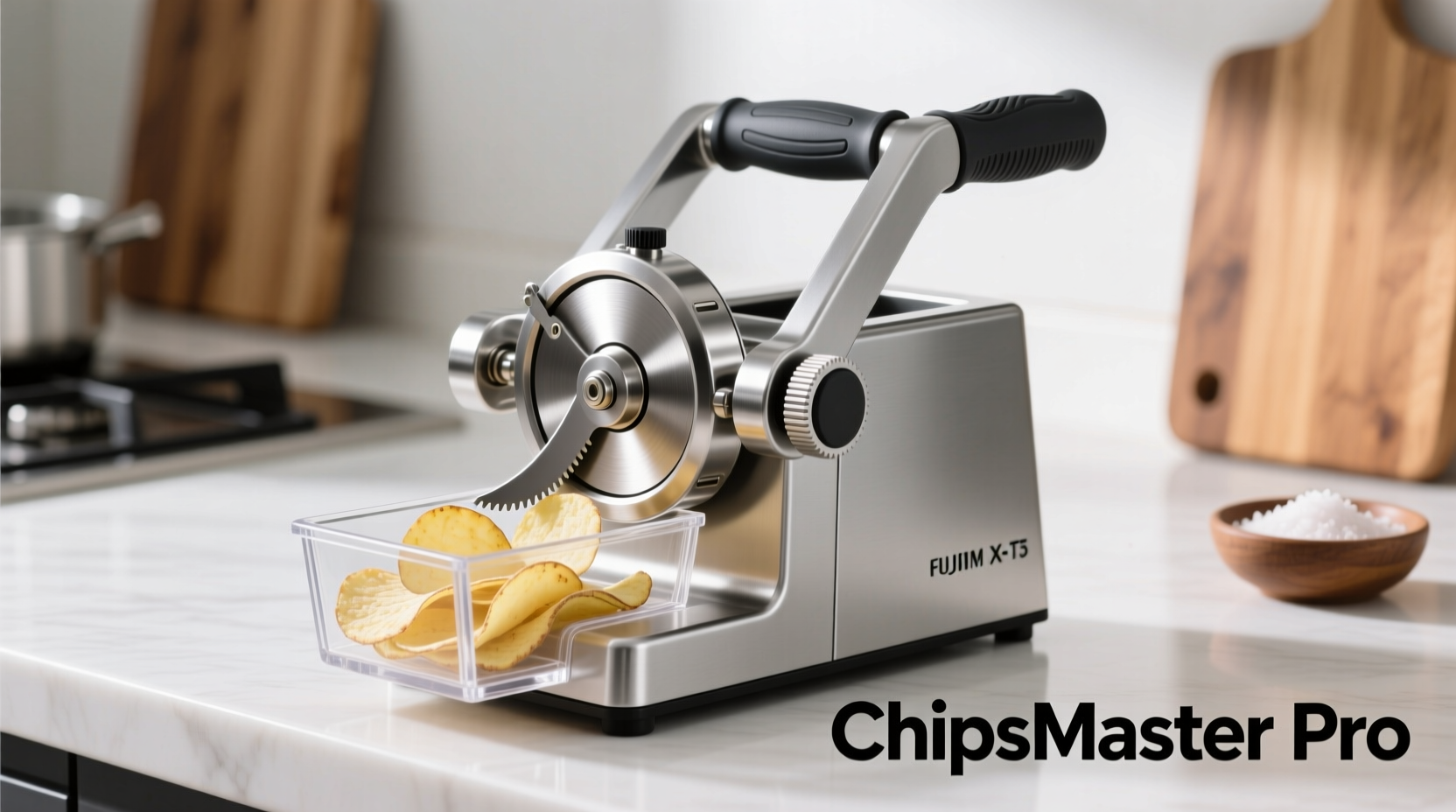
Creating perfect homemade potato chips requires precision that hand-cutting simply can't match. Whether you're a home cook looking to elevate your snack game or a culinary enthusiast exploring professional techniques, understanding potato chips cutters is essential for consistent results. This guide reveals exactly how these tools work, what features matter most, and how to use them safely and effectively.
Why Uniform Slicing Matters for Perfect Potato Chips
The thickness of your potato slices directly impacts cooking time, texture, and oil absorption. Inconsistent slices lead to some chips burning while others remain undercooked. Professional kitchens maintain strict standards for slice thickness—typically between 1/16 to 1/8 inch (1.5-3mm)—to ensure even frying and optimal crispness.
According to food science research from the U.S. Food and Drug Administration, uniform slicing reduces oil absorption by up to 25% compared to irregular hand-cut pieces, creating lighter, less greasy chips while maintaining structural integrity during frying.
Evolution of Potato Chips Cutters: From Manual to Precision Tools
Potato chips cutters have evolved significantly since the first commercial potato chips were created in 1853. Understanding this progression helps identify which features truly enhance your cooking experience:
| Era | Technology | Key Limitations |
|---|---|---|
| 1850s-1920s | Hand mandolines with fixed blades | Inconsistent slices, high injury risk |
| 1930s-1980s | Adjustable mandoline slicers | Limited thickness control, difficult cleaning |
| 1990s-2010s | Plastic food processors with disc attachments | Blade dulling, motor strain with dense potatoes |
| 2010s-Present | Precision-engineered cutters with safety features | Higher initial cost, specialized storage needs |
Selecting Your Ideal Potato Chips Cutter: Key Considerations
Not all cutters deliver professional results. Consider these factors based on your cooking frequency and kitchen space:
Blade Material and Construction
High-quality potato chips cutters use surgical-grade stainless steel (typically 420 or 440C alloys) that maintains sharpness through hundreds of uses. The American Heart Association notes that properly maintained stainless steel blades reduce cross-contamination risks compared to lower-grade materials that develop micro-scratches where bacteria can hide.
Safety Mechanisms That Prevent Common Injuries
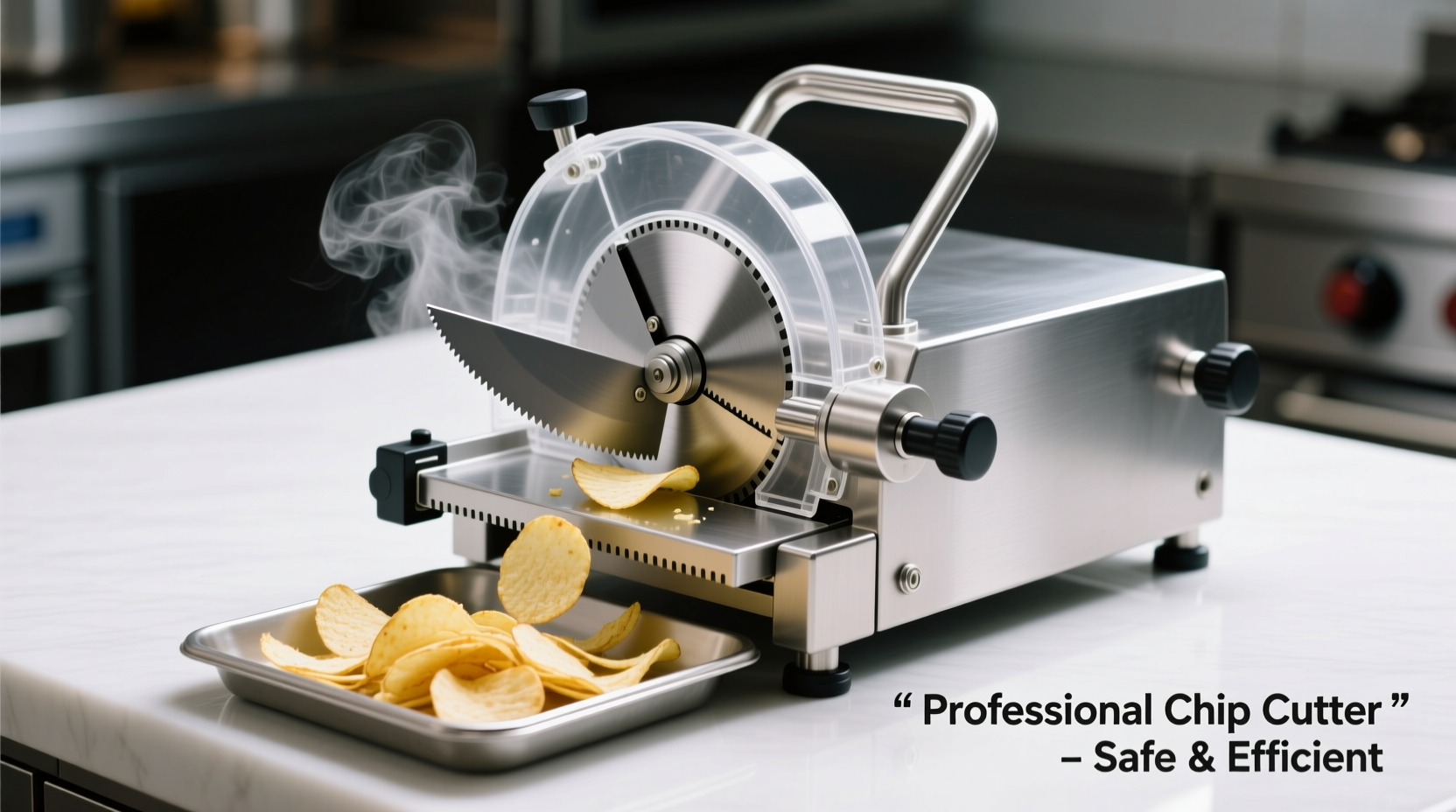
According to the U.S. Consumer Product Safety Commission, mandoline slicers account for approximately 15,000 emergency room visits annually. Modern potato chips cutters address this with:
- Non-slip bases that prevent movement during use
- Food pushers that keep fingers 2+ inches from blades
- Blade guards that cover cutting surfaces when not in use
- Ergonomic handles that reduce hand fatigue
Mastering Your Potato Chips Cutter: Professional Techniques
Even the best tool requires proper technique. Follow these steps for restaurant-quality results:
Preparation Protocol
- Refrigerate potatoes for 2 hours before slicing (reduces starch and improves crispness)
- Use firm, waxy potatoes like Yukon Gold or red potatoes for optimal slicing
- Peel potatoes completely—any remaining skin can catch in blade mechanisms
- Dry potatoes thoroughly to prevent slippage during cutting
Thickness Settings Guide
The ideal thickness depends on your cooking method:
- Frying: 1/16 inch (1.5mm) for extra-crisp chips
- Baking: 1/8 inch (3mm) to prevent burning
- Air frying: 3/32 inch (2.5mm) for balanced texture
Troubleshooting Common Potato Chips Cutter Issues
Even experienced users encounter these challenges. Here's how to solve them:
Problem: Inconsistent Slice Thickness
Solution: Check for potato debris caught in the blade mechanism. Disassemble and clean according to manufacturer instructions. Ensure potatoes are completely dry before slicing—moisture creates resistance that affects cut consistency.
Problem: Chips Sticking to Blades
Solution: Lightly coat blades with food-grade mineral oil before use. This creates a non-stick surface without affecting flavor. For immediate fixes, dip potatoes in cold water for 30 seconds before slicing to reduce starch adhesion.
Extending Your Cutter's Lifespan: Maintenance Essentials
Proper care ensures years of reliable performance:
- Hand-wash all components immediately after use—dishwashers can warp plastic parts
- Use a soft brush to clean blade crevices where potato starch accumulates
- Store disassembled with blade guards in place to prevent accidental damage
- Sharpen blades annually using a ceramic honing rod (never metal)
Creative Applications Beyond Basic Potato Chips
Your potato chips cutter can transform other ingredients:
- Slice zucchini or sweet potatoes for healthy vegetable chips
- Create uniform apple slices for dehydrating
- Prepare consistent onion layers for French onion soup
- Cut citrus wheels for garnishes with perfect thickness




 浙公网安备
33010002000092号
浙公网安备
33010002000092号 浙B2-20120091-4