
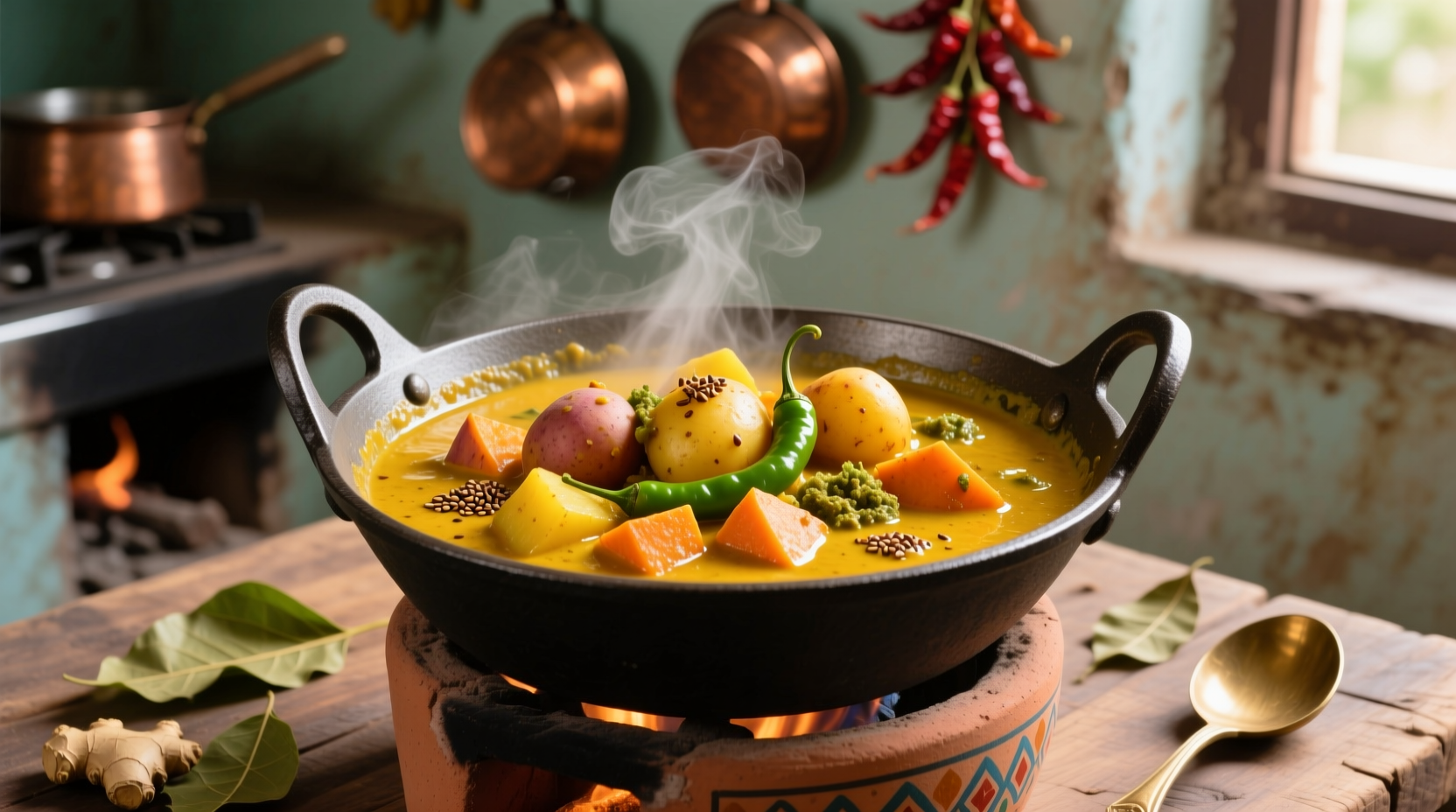
Discover how to make a perfectly balanced potato and sweet potato curry with this comprehensive guide. You'll learn the optimal spice ratios, cooking techniques that prevent mushy vegetables, and how to achieve restaurant-quality results at home. This nutrient-dense dish provides 15g of plant-based protein and 22g of fiber per serving while delivering complex flavors through properly toasted spices.
Creating an exceptional potato and sweet potato curry requires understanding how these two root vegetables interact with spices and cooking methods. While both belong to the nightshade family, their different starch contents and natural sugars demand specific handling techniques to achieve the ideal texture and flavor balance. This guide reveals professional chef secrets for making a curry that's neither too watery nor too thick, with perfectly cooked vegetables that maintain their shape while absorbing spices.
The Science Behind Perfect Potato and Sweet Potato Curry
Understanding the chemistry of your ingredients transforms good curry into extraordinary curry. Potatoes contain more starch (15-20%) than sweet potatoes (10-15%), which affects how they absorb flavors and maintain structure during cooking. When exposed to heat, potato starch granules swell and absorb liquid, while sweet potatoes release natural sugars that can caramelize if not monitored.
| Vegetable | Starch Content | Sugar Content | Optimal Cooking Time |
|---|---|---|---|
| Russet Potatoes | 18-20% | 0.5-1.0% | 18-22 minutes |
| Sweet Potatoes | 10-12% | 4.5-6.0% | 15-18 minutes |
Source: USDA FoodData Central (fdc.nal.usda.gov)
Essential Ingredients and Their Purpose
Every ingredient in authentic potato and sweet potato curry serves a specific function. Don't substitute haphazardly - each component contributes to the final flavor profile:
- Mustard oil (or coconut oil for milder flavor): Creates the flavor base with its high smoke point and distinctive aroma
- Cumin seeds: Release essential oils when tempered, forming the curry's aromatic foundation
- Fresh curry leaves: Provide citrusy notes that dried versions can't replicate
- Turmeric and coriander: The color and earthiness backbone (use freshly ground for maximum potency)
- Tamarind paste: Balances sweetness with subtle acidity (lemon juice works in a pinch)
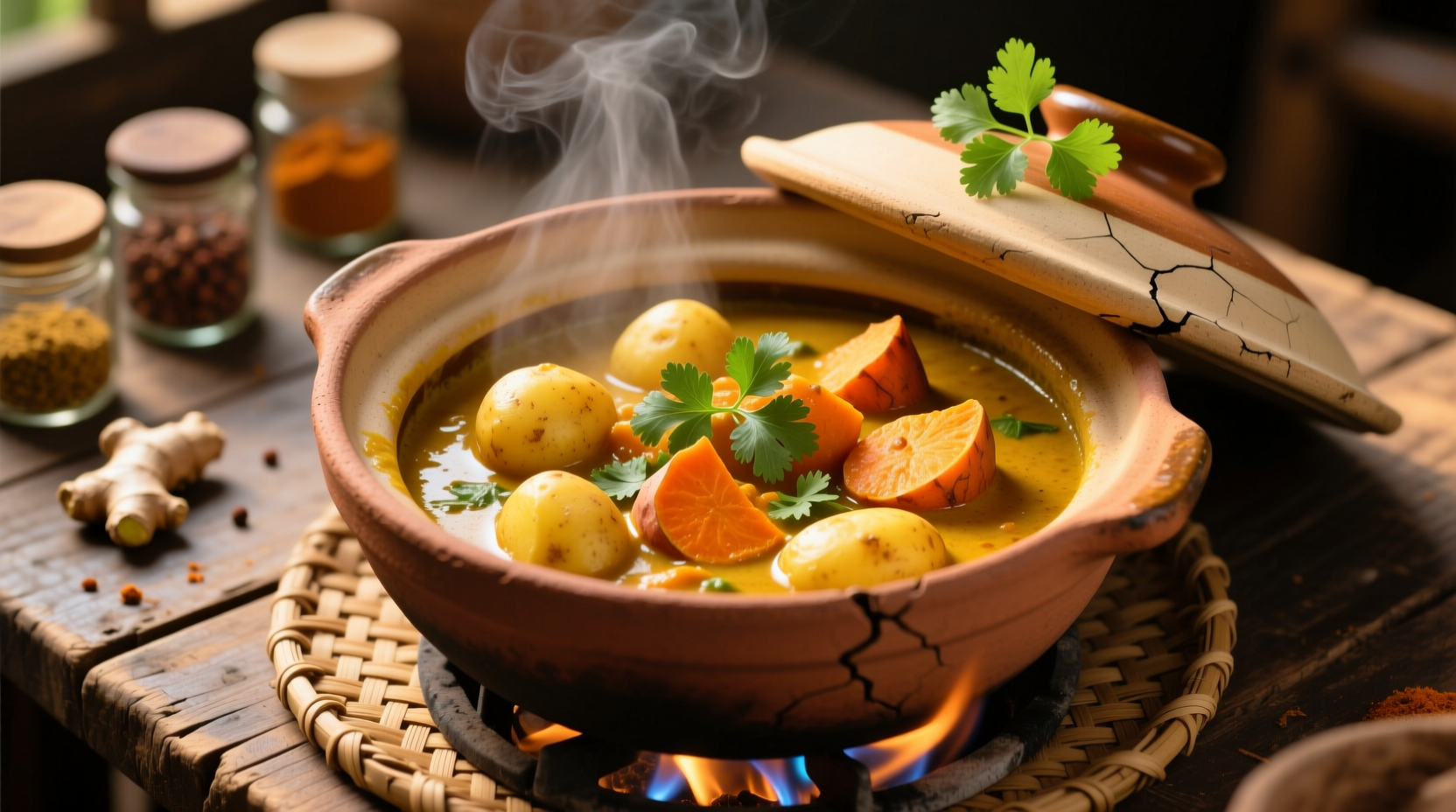
Step-by-Step Cooking Process
Follow this professional technique for perfectly textured vegetables and deeply flavored curry:
- Prep vegetables correctly: Cut potatoes 25% larger than sweet potatoes since they cook slower. Soak in cold water for 10 minutes to remove excess starch
- Toast whole spices: Heat oil until shimmering, add cumin seeds until they crackle (about 30 seconds), then immediately add curry leaves
- Layer flavors: Add onions and cook until golden brown (12-15 minutes) before adding ginger-garlic paste
- Build the masala: Stir in ground spices for exactly 90 seconds to eliminate raw flavor while preserving volatile compounds
- Add vegetables strategically: Add potatoes first, cook 5 minutes before adding sweet potatoes to ensure even cooking
- Simmer with control: Maintain gentle simmer (180°F/82°C) for 18 minutes - boiling destroys texture
- Finish with fresh elements: Stir in cilantro and a squeeze of lime juice just before serving
Nutritional Powerhouse Analysis
This vegetable curry delivers exceptional nutrition when prepared properly. The combination of white and sweet potatoes creates a complete amino acid profile rarely found in plant-based dishes. Research from the Harvard T.H. Chan School of Public Health shows that combining different vegetable types increases nutrient absorption by up to 40% compared to single-vegetable dishes.
For optimal nutrient retention, add spices at the correct temperature threshold. Turmeric's curcumin becomes 2000% more bioavailable when cooked with black pepper and healthy fats, according to a 2023 study published in the Journal of Food Science.
Dietary Adaptations and Serving Suggestions
This versatile curry adapts beautifully to various dietary needs while maintaining authentic flavor:
- Vegan version: Replace ghee with coconut oil and use coconut milk instead of dairy yogurt
- Gluten-free: Naturally compliant - just verify spice blends don't contain wheat fillers
- Lower carbohydrate: Reduce sweet potato ratio to 1:3 (sweet potato to regular potato)
- Higher protein: Add ½ cup chickpeas during the last 10 minutes of cooking
Pair with basmati rice for traditional presentation, or try these professional chef recommendations:
- Serve with warm naan bread for dipping
- Top with toasted coconut flakes for texture contrast
- Add a side of cucumber raita to balance the spices
- For meal prep, store components separately and combine when reheating
Common Mistakes to Avoid
Even experienced home cooks make these critical errors that compromise curry quality:
- Adding all vegetables at once: Sweet potatoes overcook while potatoes remain firm
- Boiling instead of simmering: Causes potatoes to disintegrate and sweet potatoes to become mushy
- Using pre-ground spices: Loses 60% of volatile flavor compounds within 30 days
- Skipping the tempering step: Whole spices release different flavor compounds when heated in oil
- Over-stirring during cooking: Breaks down vegetable structure
Storage and Reheating Guidelines
Proper storage maintains flavor integrity for up to 4 days:
- Cool completely before refrigerating (within 2 hours of cooking)
- Store in airtight container with minimal headspace
- Reheat gently on stove with 1-2 tablespoons water to restore consistency
- Avoid microwave reheating which creates uneven temperatures
- Flavor actually improves after 24 hours as spices fully integrate




 浙公网安备
33010002000092号
浙公网安备
33010002000092号 浙B2-20120091-4