
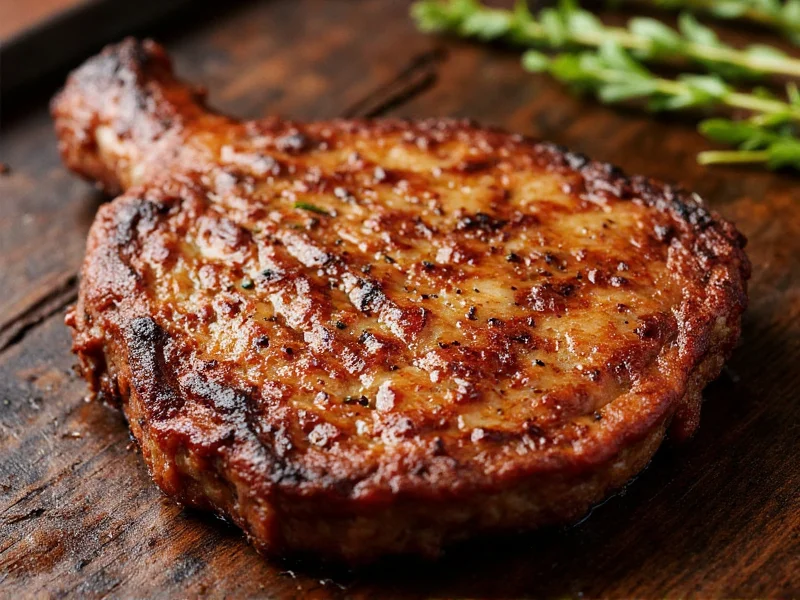
Why This Dry Rub Works Perfectly for Pork Chops
Creating an exceptional pork chop dry rub requires understanding flavor chemistry. Pork's mild sweetness pairs beautifully with both sweet and savory elements. The brown sugar in this formula caramelizes during cooking, forming a delicious crust while the smoked paprika adds depth that complements pork's richness. Unlike wet marinades that can make the surface soggy, dry rubs create superior texture and allow direct contact between seasoning and meat.
Essential Dry Rub Ingredients and Their Purpose
Each component in a quality pork chop seasoning serves a specific function:
| Ingredient | Function | Why It Works with Pork |
|---|---|---|
| Brown sugar | Caramelization agent | Enhances natural sweetness and creates crust |
| Smoked paprika | Smoke flavor without actual smoke | Complements pork's richness without overpowering |
| Garlic powder | Umami booster | Adds savory depth that pork readily absorbs |
| Kosher salt | Flavor enhancer and tenderizer | Penetrates meat to improve texture and taste |
| Dried thyme | Herbal complexity | Provides earthy notes that balance pork's fattiness |
Step-by-Step Application Process
Proper application makes the difference between good and exceptional results. Follow these steps for the best dry rub pork chop experience:
- Dry the surface: Pat pork chops thoroughly with paper towels - moisture is the enemy of crust formation
- Season generously: Apply rub evenly on all sides, pressing gently to help adhesion
- Rest time: Let seasoned chops sit at room temperature for 30-45 minutes before cooking
- Cook immediately: Don't refrigerate after seasoning as this draws out moisture
Perfect Cooking Method for Rubbed Pork Chops
After applying your dry rub for pork chops, use this cooking technique for restaurant-quality results:
- Preheat oven to 400°F (204°C) with a cast-iron skillet inside
- Sear chops for 2-3 minutes per side until golden brown
- Transfer skillet to oven and cook until internal temperature reaches 145°F (63°C)
- Rest for 5 minutes before serving to allow juices to redistribute
Variations for Different Flavor Profiles
Customize your pork chop dry rub based on your taste preferences:
Spicy Southwest Rub
Add 1 teaspoon chipotle powder and increase cayenne to ½ teaspoon. Replace thyme with oregano for a Tex-Mex flavor profile that works exceptionally well with bone-in pork chops.
Sweet Bourbon Rub
Substitute 1 tablespoon of the brown sugar with dark brown sugar and add 1 teaspoon ground cinnamon. This variation creates a beautiful sweet crust that pairs perfectly with apple sauce.
Herb Garden Rub
Double the thyme and add 1 teaspoon each of dried rosemary and sage. Ideal for thick-cut pork chops that benefit from robust herbal notes.
Common Dry Rub Mistakes to Avoid
Even experienced cooks make these errors when preparing pork chop seasoning:
- Using table salt instead of kosher salt: Table salt is denser and can make your rub overly salty
- Applying rub too thickly: Creates a paste that doesn't adhere properly and burns easily
- Not letting meat come to temperature: Cold meat from the fridge creates uneven cooking
- Skipping the rest period: Essential for flavors to penetrate and for optimal texture
Storage and Preparation Tips
Make your pork chop dry rub experience more efficient with these professional tips:
- Store extra rub in an airtight container for up to 3 months
- Grind whole spices yourself for maximum flavor intensity
- Always measure ingredients precisely - this isn't the time for "eyeballing"
- For best results, apply rub at least 30 minutes before cooking but no more than 2 hours
Why This Formula Beats Store-Bought Options
Commercial pork chop seasonings often contain fillers, excessive salt, and preservatives that compromise flavor. Creating your own dry rub allows precise control over ingredients and flavor balance. The absence of moisture in homemade rubs ensures better crust formation compared to many pre-made options that include oil or liquid ingredients.
Frequently Asked Questions
How long should I let pork chops sit with dry rub before cooking?
Allow pork chops to rest with the dry rub for 30-45 minutes at room temperature before cooking. This gives the salt time to penetrate the surface and begin the tenderizing process while allowing flavors to meld. Avoid refrigerating after seasoning as this draws out moisture and prevents proper crust formation.
Can I use this dry rub for other meats besides pork chops?
Yes, this versatile pork chop seasoning works well with chicken thighs and even salmon. For beef, reduce the brown sugar to 1 tablespoon and increase black pepper to 1½ teaspoons. The basic formula adapts beautifully to different proteins while maintaining its essential flavor profile.
Why does my dry rub fall off the pork chops during cooking?
Rub adherence issues usually occur because the meat surface wasn't properly dried before application. Always pat pork chops thoroughly with paper towels before seasoning. Also ensure you're pressing the rub gently into the meat surface rather than just sprinkling it on. Avoid applying too thickly - a thin, even layer works best for proper adhesion.
Should I oil the pork chops before applying dry rub?
No, oiling before applying dry rub creates a barrier that prevents proper adhesion. The natural fats in pork chops provide sufficient moisture. If you're concerned about sticking, lightly oil your cooking surface instead. The dry rub needs direct contact with the meat surface to create that perfect crust during cooking.
How much dry rub should I use per pork chop?
Use approximately 1½ teaspoons of dry rub per 1-inch thick pork chop. For thicker cuts like center-cut pork chops, increase to 2 teaspoons. The goal is a thin, even layer that covers the entire surface without piling up. Remember that the rub will concentrate during cooking, so less is often more when applying.




 浙公网安备
33010002000092号
浙公网安备
33010002000092号 浙B2-20120091-4