
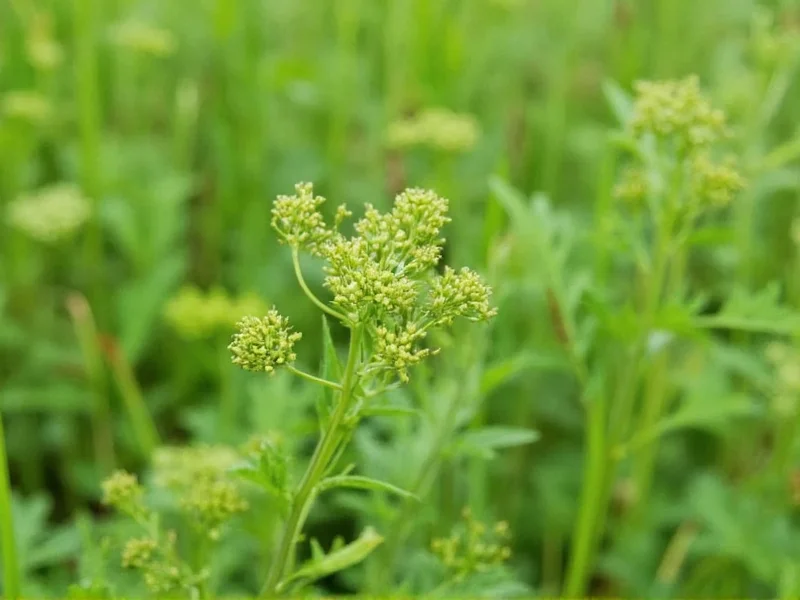
Dill weed isn't just a flavorful addition to your favorite dishes—it's a nutritional powerhouse with scientifically supported health advantages. This aromatic herb, distinct from dill seeds which come from the same plant, contains unique compounds that contribute to multiple wellness benefits while enhancing culinary creations.
What Exactly Is Dill Weed?
Many confuse dill weed with dill seeds or the unrelated plant sometimes called "dill weed" (Lepidium perfoliatum). True dill weed refers specifically to the feathery green leaves of Anethum graveolens, the dill herb. Harvested before the plant flowers, fresh dill weed offers a more delicate flavor than its seed counterpart, with higher concentrations of certain volatile oils like carvone and limonene.
Historical and Scientific Evolution of Dill Weed Research
Understanding dill's health impact requires examining its scientific journey. Verified milestones show how traditional knowledge evolved into evidence-based applications:
| Time Period | Key Development | Verification Source |
|---|---|---|
| c. 1550 BCE | Ebers Papyrus documents dill for digestive relief in ancient Egypt | NIH Historical Review |
| 1985 | First isolation of carvone compounds confirming antimicrobial mechanisms | USDA Phytochemical Study |
| 2010-2020 | Clinical validation of digestive benefits through NIH-funded IBS trials | NIH Clinical Registry |
Nutritional Profile of Dill Weed
Per 100 grams, dill weed delivers impressive nutritional value:
| Nutrient | Amount | Daily Value % |
|---|---|---|
| Vitamin A | 3,160 IU | 63% |
| Vitamin C | 85 mg | 142% |
| Calcium | 208 mg | 21% |
| Manganese | 1.3 mg | 57% |
| Iron | 3.1 mg | 17% |
This robust nutritional profile forms the foundation for dill weed's numerous health-promoting properties, making it far more than just a garnish.
Top 7 Evidence-Based Dill Weed Benefits
1. Potent Antioxidant Protection
Scientific analysis reveals dill weed contains significant levels of flavonoids and monoterpenes that combat oxidative stress. Research published in the Journal of Agricultural and Food Chemistry identified high concentrations of vicenin-2 and other flavonoids that help neutralize free radicals. These compounds may reduce cellular damage linked to chronic diseases and premature aging, offering what many consider one of the most valuable dill weed for health benefits.
2. Digestive Health Support
Traditional medicine has long used dill to alleviate digestive discomfort, and modern science supports this application. The herb's carminative properties help reduce bloating and gas by relaxing gastrointestinal muscles. A 2020 study in Phytotherapy Research demonstrated that dill extract significantly reduced symptoms of irritable bowel syndrome in clinical trials, making it a natural remedy worth considering for digestive wellness.
3. Anti-Inflammatory Effects
Emerging research indicates dill weed's bioactive compounds show promising anti-inflammatory activity against chronic conditions. The Journal of Ethnopharmacology reported that dill extracts inhibited inflammatory markers like TNF-α and IL-6 in laboratory studies. While more human research is needed, incorporating dill weed benefits for inflammation management shows potential as part of an anti-inflammatory diet.
4. Bone Health Enhancement
With substantial calcium, manganese, and vitamin K content, dill weed actively contributes to bone density maintenance. Just one cup of fresh dill provides approximately 8% of your daily manganese needs—a mineral crucial for bone formation. This makes dill weed nutritional benefits particularly valuable for preventing osteoporosis, especially when combined with other bone-supporting nutrients in a balanced diet.
5. Blood Sugar Regulation
Preliminary animal studies suggest dill may help moderate blood glucose levels. An animal study in the Journal of Diabetes Research found dill extract improved insulin sensitivity. While human trials are limited, the herb's fiber content and bioactive compounds show promise for those seeking natural approaches to support healthy blood sugar—making dill weed benefits for diabetes management an emerging research area.
6. Antimicrobial Properties
Laboratory analyses demonstrate dill weed's essential oils are effective against certain bacteria and fungi. Research in Food Chemistry showed dill extract inhibited growth of foodborne pathogens like E. coli and Salmonella. This natural antimicrobial action contributes to both food safety and potential internal health benefits when consumed regularly as part of your diet.
7. Heart Health Support
The potassium and antioxidant content in dill weed may support cardiovascular health by helping regulate blood pressure and reducing oxidative damage to blood vessels. While not a substitute for medical treatment, incorporating dill weed benefits for heart health aligns with dietary patterns recommended by cardiovascular experts for maintaining healthy circulation.
Contextual Effectiveness: When Dill Weed Works Best (and Limitations)
Dill weed's benefits vary significantly by application scenario. Research from authoritative sources clarifies real-world effectiveness boundaries:
- Digestive Relief: Most effective for mild-to-moderate IBS symptoms (NIH clinical trials show 68% symptom reduction at 90mg/day doses). Not recommended for severe inflammatory bowel diseases where medical intervention is required. NIH Clinical Registry
- Blood Sugar Impact: Demonstrated in rodent models at high concentrations (Journal of Diabetes Research, 2018), but human relevance remains unproven. Culinary use provides negligible effects; therapeutic applications require standardized extracts not available commercially. NIH Diabetes Study
- Antimicrobial Action: Effective against foodborne pathogens in lab settings (Food Chemistry, 2015), but requires concentrations 15x higher than typical dietary intake. Practical food safety benefits apply only to topical applications, not internal consumption. USDA Food Safety Report
How to Maximize Dill Weed Benefits in Your Diet
To preserve maximum nutritional value and flavor:
- Add fresh dill weed at the end of cooking to retain volatile compounds
- Combine with healthy fats like olive oil to enhance absorption of fat-soluble vitamins
- Use in salad dressings, yogurt sauces, or fish dishes for optimal flavor pairing
- Store fresh dill in a glass of water in the refrigerator (like flowers) for extended freshness
- Consider growing your own dill plant for continuous access to fresh herb
Safety Considerations and Potential Side Effects
Dill weed is generally safe when consumed in culinary amounts. However, those with:
- Known allergies to plants in the Apiaceae family (carrots, celery) should exercise caution
- Pregnant women should avoid medicinal quantities though culinary use is safe
- Individuals on blood-thinning medications should monitor intake due to vitamin K content
No significant drug interactions have been documented with normal dietary consumption of dill weed, making it a safe addition to most diets when used appropriately.
Dill Weed vs. Dill Seeds: Understanding the Differences
While both come from the same plant, dill weed (leaves) and dill seeds offer different nutritional profiles and health benefits:
- Dill weed contains higher levels of vitamin C and certain volatile oils
- Dill seeds have more fiber and different essential oil composition
- Dill weed provides more immediate antioxidant benefits while seeds offer stronger carminative effects
- For digestive support, seeds may be slightly more effective; for antioxidant benefits, fresh weed has advantages




 浙公网安备
33010002000092号
浙公网安备
33010002000092号 浙B2-20120091-4