
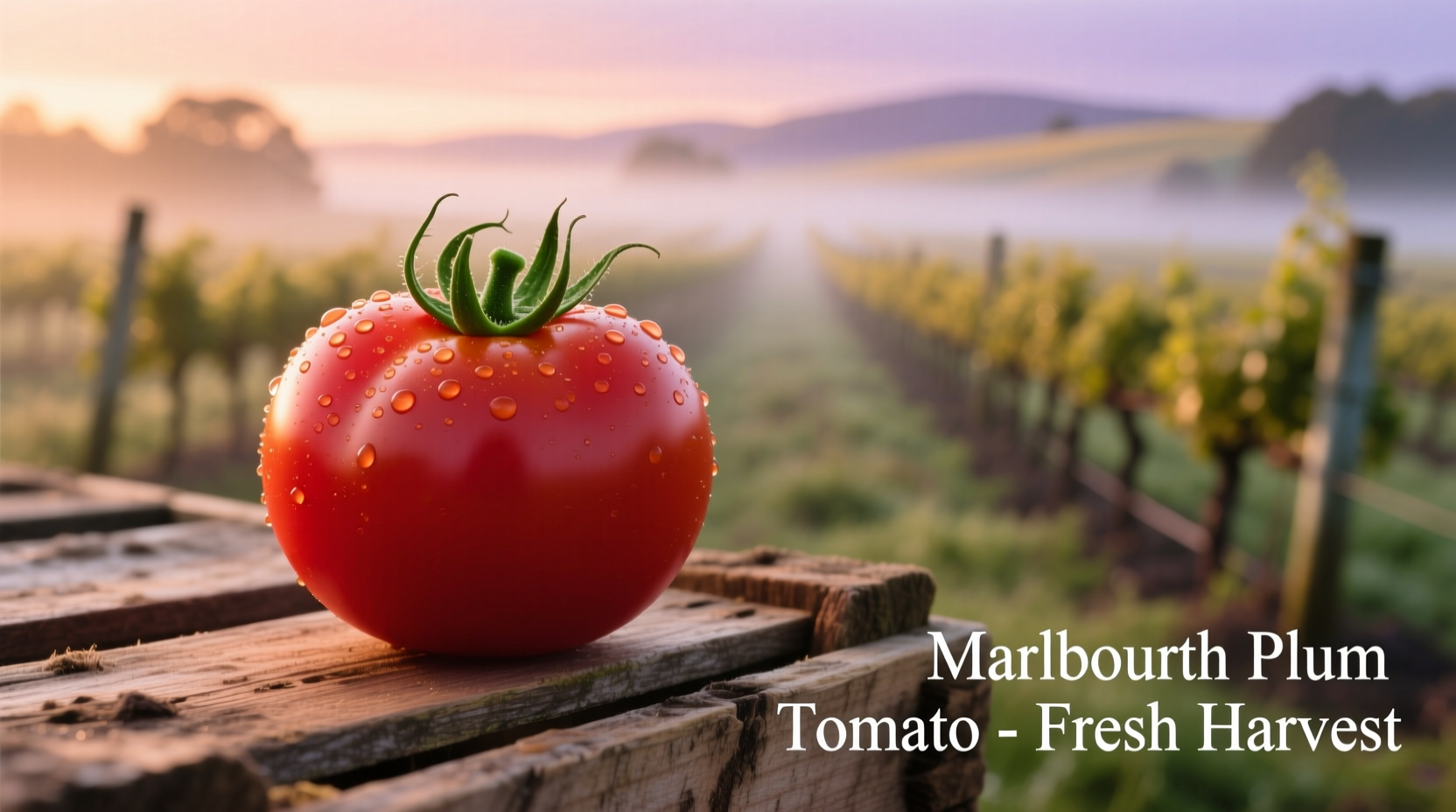
Marlborough's distinctive maritime climate creates ideal conditions for growing plum tomatoes, but success requires understanding the region's specific environmental factors. With over 2,400 hours of annual sunshine and moderate rainfall, this northeastern New Zealand region offers excellent potential for home gardeners and commercial growers alike. This comprehensive guide delivers actionable strategies for cultivating plum tomatoes that thrive in Marlborough's unique conditions.
Why Plum Tomatoes Excel in Marlborough's Climate
Marlborough's combination of warm days, cool nights, and abundant sunshine creates perfect conditions for plum tomatoes to develop their characteristic dense flesh and rich flavor profile. The region's average summer temperatures of 22-26°C (72-79°F) align precisely with the optimal growing range for Solanum lycopersicum var. cerasiforme, the botanical classification for plum tomatoes.
According to New Zealand's Plant & Food Research institute, plum tomatoes require 65-85 days of consistent warmth to reach maturity—conditions reliably met in Marlborough's extended growing season. The region's low humidity (averaging 70-75%) further reduces fungal disease pressure compared to other New Zealand regions.
| Climate Factor | Marlborough Average | Plum Tomato Requirement | Compatibility Assessment |
|---|---|---|---|
| Sunlight Hours | 2,400+ annually | Minimum 1,800 hours | Excellent (exceeds requirement) |
| Summer Temperature | 22-26°C (72-79°F) | 21-27°C (70-81°F) | Optimal range achieved |
| Annual Rainfall | 700mm (27.5 inches) | 500-650mm preferred | Moderate (requires irrigation management) |
| Last Frost Date | Middle October | After frost danger passes | Critical planting window indicator |
Marlborough-Specific Planting Timeline
Timing is critical when growing plum tomatoes in Marlborough. The region's microclimates vary significantly between the Wairau Plains and coastal areas, requiring tailored planting schedules:
- Seed Starting (Indoors): Late August to early September gives seedlings adequate time to develop before transplanting
- Last Frost Consideration: Wait until middle to late October when soil temperature consistently exceeds 15°C (59°F)
- Transplanting Window: October 15 to November 30 provides optimal establishment before summer heat
- Harvest Period: Late January through April for main crop, with potential for extended harvest into May in sheltered locations
The Marlborough District Council's horticulture department confirms that starting too early exposes young plants to damaging late frosts, while planting too late reduces fruit set during Marlborough's warmest months.
Soil Preparation Techniques for Marlborough Gardens
Marlborough's predominantly alluvial soils require specific amendments to optimize plum tomato growth. The region's naturally free-draining soils benefit from organic matter additions to improve moisture retention without compromising drainage.
Follow this soil preparation protocol for best results:
- Test soil pH 4-6 weeks before planting (target range: 6.2-6.8)
- Incorporate 5-7cm (2-3 inches) of well-rotted compost into planting area
- Add balanced organic fertilizer (5-5-5 NPK) at planting time
- Create raised beds 15-20cm (6-8 inches) high to improve drainage
- Mulch with straw or wood chips after plants establish
Research from Lincoln University's Centre for Soil and Environmental Research shows Marlborough's soils typically require additional calcium supplementation to prevent blossom end rot—a common issue for tomato growers in the region.
Recommended Plum Tomato Varieties for Marlborough
Not all plum tomatoes perform equally well in Marlborough's specific conditions. Based on trials conducted by New Zealand's Crop and Food Research, these varieties demonstrate superior adaptation:
- Roma VF: Disease-resistant heirloom variety producing abundant oval fruits ideal for sauces
- San Marzano Nano: Compact plant perfect for container gardening with exceptional flavor
- Tommy Toe: Small plum type with excellent disease resistance and high yields
- Amish Paste: Heirloom variety thriving in Marlborough's warm conditions with rich flavor
Local gardeners in Blenheim report that San Marzano Nano consistently outperforms other varieties in Marlborough's microclimates, producing reliable yields even during cooler summers.
Managing Marlborough's Unique Growing Challenges
While Marlborough offers excellent tomato-growing conditions, specific regional challenges require attention:
Frost Protection Strategies
Despite Marlborough's generally mild climate, late spring frosts can damage young plants. Implement these protective measures:
- Use frost cloth during vulnerable early growth stages
- Plant near north-facing walls for thermal mass benefits
- Water soil thoroughly before expected frosts (water releases heat slowly)
- Avoid planting in low-lying areas where cold air settles
Water Management in Marlborough's Dry Summers
Marlborough's summer drought conditions require careful irrigation planning:
- Install drip irrigation systems for water efficiency
- Water deeply 2-3 times weekly rather than daily light watering
- Apply mulch to reduce evaporation (straw works particularly well)
- Water early morning to minimize evaporation losses
Data from Marlborough's Regional Council shows home gardeners who implement drip irrigation systems reduce water usage by 30-50% while improving tomato yields through consistent moisture delivery.
Harvesting and Using Marlborough-Grown Plum Tomatoes
Plum tomatoes reach peak flavor when harvested at the "breaker stage"—when the fruit shows initial color change but remains firm. In Marlborough's climate, this typically occurs 65-80 days after transplanting.
For best results:
- Harvest in morning when fruits are coolest
- Twist fruits gently from vines rather than pulling
- Store at room temperature away from direct sunlight
- Process within 24-48 hours for optimal flavor and nutritional value
Marlborough's long, sunny days produce plum tomatoes with higher brix (sugar) levels than many other New Zealand regions, making them particularly well-suited for sauces, preserves, and sun-drying.
Troubleshooting Common Issues in Marlborough Gardens
Even with proper care, plum tomato growers in Marlborough may encounter these common issues:
Blossom End Rot
Caused by calcium deficiency exacerbated by inconsistent watering. Prevent by maintaining even soil moisture and applying calcium-rich amendments like gypsum.
Tomato Blight
Less common in Marlborough than wetter regions but can occur during unusually humid periods. Prevent with proper spacing (60-90cm between plants) and morning watering.
Whitefly Infestations
Marlborough's warm climate can encourage whiteflies. Control with yellow sticky traps and regular applications of insecticidal soap.
The New Zealand Gardeners' Chronicle reports that Marlborough gardeners who implement crop rotation (avoiding planting tomatoes in the same spot for 3+ years) reduce disease incidence by up to 60%.
Maximizing Your Marlborough Plum Tomato Harvest
With proper care, plum tomatoes can produce abundantly throughout Marlborough's long growing season. Implement these advanced techniques to maximize your harvest:
- Prune side shoots to direct energy toward fruit production
- Provide sturdy support systems (cages or stakes) for heavy fruit loads
- Apply liquid seaweed fertilizer every 2-3 weeks during fruiting
- Remove yellowing lower leaves to improve air circulation
- Harvest regularly to encourage continued production
Local gardening groups in Renwick report that gardeners who follow these practices typically achieve 25-40% higher yields than those using basic cultivation methods.
Conclusion: Your Path to Successful Plum Tomato Growing in Marlborough
By understanding Marlborough's unique climate characteristics and implementing region-specific cultivation techniques, you can enjoy abundant harvests of flavorful plum tomatoes. The combination of careful variety selection, proper timing, and attention to Marlborough's specific soil and water conditions creates the foundation for successful tomato growing in this distinctive region.




 浙公网安备
33010002000092号
浙公网安备
33010002000092号 浙B2-20120091-4