

Creating a nutritious pizza sauce doesn't mean sacrificing taste. In fact, the healthiest versions often taste better than store-bought alternatives because they highlight the natural sweetness of ripe tomatoes rather than relying on added sugars and preservatives. This guide reveals exactly how to make pizza sauce that boosts your meal's nutritional profile while enhancing flavor.
Why Traditional Pizza Sauce Falls Short
Most commercial pizza sauces contain hidden ingredients that undermine their nutritional value. While tomatoes themselves are packed with beneficial compounds like lycopene and vitamin C, many prepared sauces add unnecessary elements that transform this healthy base into a less desirable option.
| Ingredient | Typical Commercial Sauce | Healthy Alternative |
|---|---|---|
| Sugar Content | 5-8g per 1/2 cup | 0g added sugar |
| Sodium Level | 200-300mg per serving | Under 100mg per serving |
| Preservatives | Common (citric acid, calcium chloride) | None needed |
| Tomato Quality | Concentrated paste with additives | Fresh or high-quality canned tomatoes |
This comparison shows why homemade healthy pizza sauce outperforms store-bought options. According to USDA FoodData Central, a half-cup of typical commercial pizza sauce contains approximately 6 grams of added sugar - nearly 15% of the American Heart Association's recommended daily limit for women.
The Evolution of Pizza Sauce: From Simple to Sugar-Laden
Pizza sauce has undergone significant changes since its Neapolitan origins. Understanding this timeline helps explain why modern versions often contain unnecessary additives:
- 1889: The first documented pizza sauce contained only tomatoes, garlic, oil, and salt - ingredients readily available to working-class Italians
- 1940s-1950s: As pizza spread through America, manufacturers began adding sugar to counteract tomato acidity for broader appeal
- 1970s-1990s: Commercial producers increased sugar content further while reducing tomato quality to cut costs
- 2000s-Present: Growing health consciousness has sparked a return to simpler formulations, though many mainstream brands still use excessive sugar
This historical context explains why finding truly healthy pizza sauce requires either careful label reading or homemade preparation. The shift toward sugar-laden formulations wasn't driven by taste preferences but by cost-cutting measures and the use of lower-quality tomatoes that required sugar to mask their acidity.
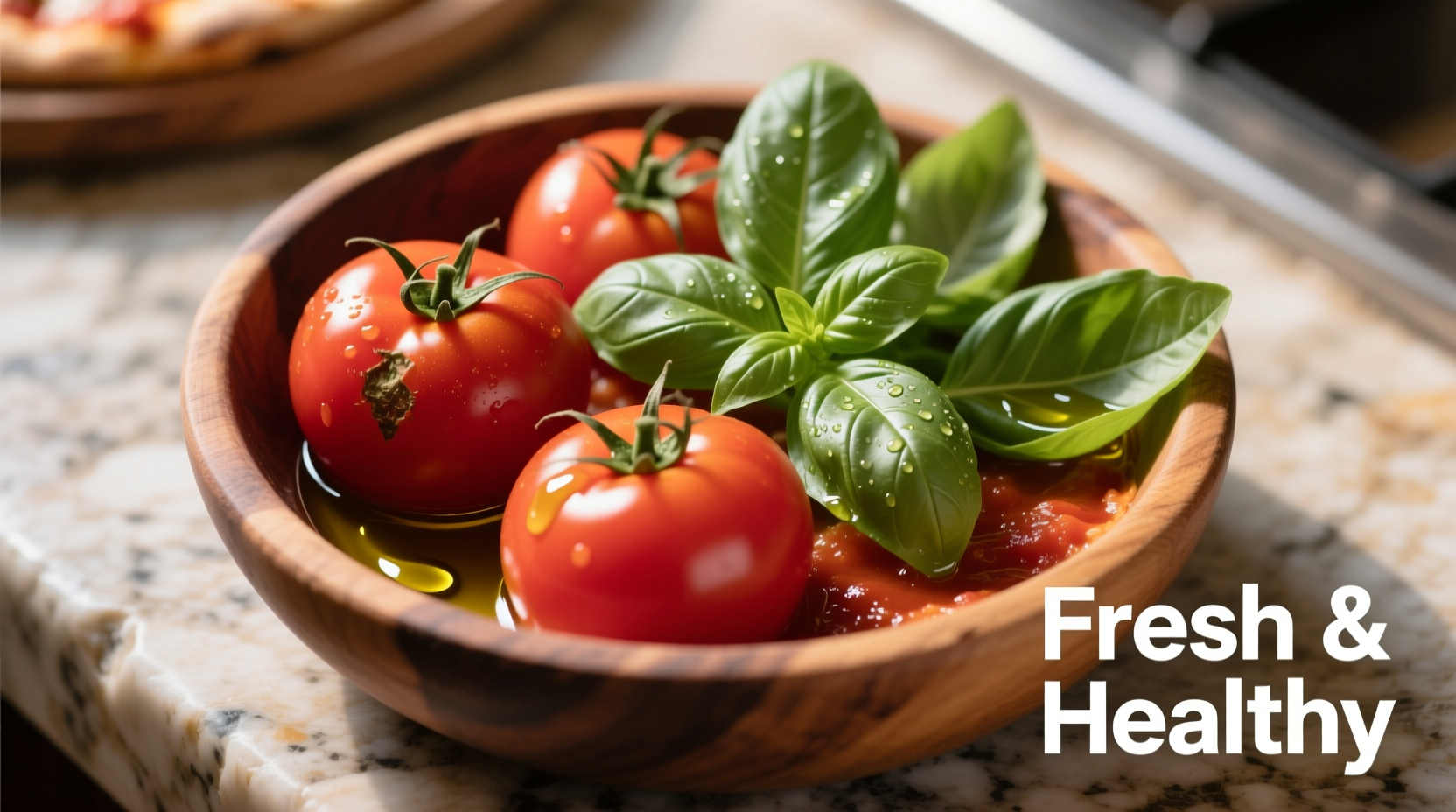
Building Blocks of Nutritious Pizza Sauce
The foundation of exceptional healthy pizza sauce lies in four key components that work together to create both flavor and nutrition:
1. High-Quality Tomatoes
Choose San Marzano tomatoes when possible - these DOP-certified Italian tomatoes contain 30% more lycopene than standard varieties according to research published in the Journal of Agricultural and Food Chemistry. Canned whole tomatoes typically preserve nutrients better than pre-crushed varieties.
2. Flavor Enhancers Without Compromise
Instead of sugar, use these natural flavor boosters:
- Carrots: Finely grated (1 small carrot per 28oz tomatoes) adds natural sweetness without spiking blood sugar
- Onion: Yellow onion sautéed until translucent provides depth
- Garlic: Raw garlic added at the end preserves allicin, a compound with documented cardiovascular benefits
3. Strategic Fat Selection
A tablespoon of extra-virgin olive oil not only improves lycopene absorption by up to 40% (per a 2015 study in Molecular Nutrition & Food Research) but also creates a richer mouthfeel that mimics higher-sodium versions.
4. Herb Timing Matters
Add dried herbs early in cooking to release their oils, but stir in fresh basil during the last five minutes to preserve volatile compounds that provide both flavor and antioxidant benefits.
Your Simple Healthy Pizza Sauce Recipe
This 20-minute recipe yields sauce with just 45 calories per 1/2 cup serving, zero added sugar, and 90mg sodium - less than half the sodium of most commercial alternatives.
Ingredients
- 28oz canned whole San Marzano tomatoes
- 1 small carrot, finely grated
- 1/2 yellow onion, finely diced
- 3 garlic cloves, minced
- 2 tbsp extra-virgin olive oil
- 1 tsp dried oregano
- 1/4 cup fresh basil, chopped
- Pinch of red pepper flakes (optional)
- Salt to taste (start with 1/8 tsp)
Instructions
- Sauté onion in olive oil over medium heat until translucent (5 minutes)
- Add carrot and dried oregano, cook 3 minutes until carrot softens
- Crush tomatoes by hand into the pan, add juice from can
- Simmer uncovered for 15 minutes, stirring occasionally
- Remove from heat, stir in fresh basil, raw garlic, and red pepper flakes
- Season with minimal salt (taste first - tomatoes contain natural sodium)
When Substitutions Work (and When They Don't)
Not all healthy swaps deliver good results. Understanding these context boundaries prevents disappointing pizza nights:
- Tomato paste: Use sparingly (1-2 tbsp) to thicken without adding sodium - but too much creates an overly concentrated flavor that requires added sugar to balance
- Zucchini or eggplant: Can replace up to 25% of tomatoes for added nutrients, but higher water content requires extended simmering to prevent soggy pizza
- Vinegar: A teaspoon of balsamic can replace sugar in some recipes, but works best with meat toppings - avoid with vegetarian pizzas where it competes with vegetable flavors
- Blending: Never blend hot sauce - the heat creates steam pressure that can cause dangerous splattering. Cool slightly first for smoothest texture
Choosing Healthy Store-Bought Options
If making your own isn't feasible, look for these markers of genuinely healthy pizza sauce:
- Ingredients list with 5 or fewer components
- No added sugar (check for hidden names like "evaporated cane juice" or "fruit concentrate")
- Sodium content under 100mg per 1/4 cup serving
- Tomato content above 90% (check nutrition label - fiber content should be at least 2g per serving)
The USDA's National Nutrient Database shows that truly healthy pizza sauces maintain a fiber-to-carbohydrate ratio of at least 1:5, indicating minimal processing and no added sugars. Most commercial brands fall short with ratios closer to 1:10.
Maximizing Health Benefits Through Proper Preparation
How you prepare your sauce significantly impacts its nutritional value. Research from the National Institutes of Health demonstrates that lycopene - tomatoes' key antioxidant - becomes up to 3.7 times more bioavailable when tomatoes are cooked with a small amount of healthy fat like olive oil.
For maximum health benefits:
- Cook tomatoes for at least 15 minutes to activate lycopene
- Include 1-2 tbsp olive oil per 28oz tomatoes
- Add garlic raw at the end to preserve allicin
- Avoid overcooking fresh herbs to maintain volatile compounds
These techniques transform pizza from a guilty pleasure into a meal that contributes positively to your daily nutrient intake. A single serving of properly prepared tomato sauce provides approximately 25% of your daily vitamin C needs and significant lycopene - associated with reduced risk of heart disease according to a 2020 review in Antioxidants.
Common Healthy Pizza Sauce Mistakes
Even with good intentions, these errors can undermine your healthy pizza sauce efforts:
- Over-reducing: Cooking sauce too long concentrates natural sugars, creating a higher glycemic impact
- Skipping the fat: Eliminating all oil prevents absorption of fat-soluble nutrients like lycopene
- Using low-quality tomatoes: Cheap canned tomatoes often contain calcium chloride that creates an artificial firmness while reducing nutrient availability
- Over-seasoning: Adding too many herbs masks tomato flavor, leading to excessive salt use to compensate
Remember that the goal isn't to eliminate all sodium but to keep it at nutritionally appropriate levels. The Dietary Guidelines for Americans recommends limiting sodium to less than 2,300mg daily - about 100mg per pizza sauce serving leaves room for other ingredients.




 浙公网安备
33010002000092号
浙公网安备
33010002000092号 浙B2-20120091-4