
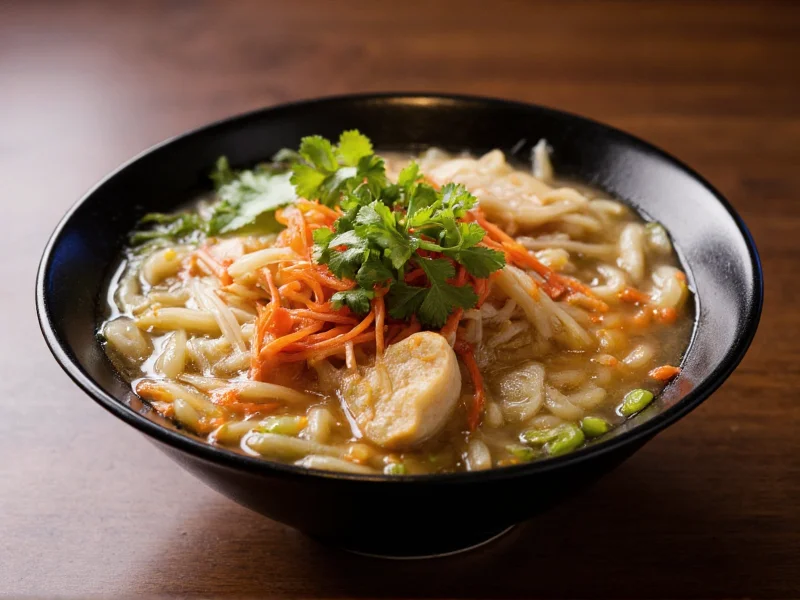
The Cultural Roots of Pho Bo Noodle Soup
Pho bo emerged during Vietnam's French colonial period, blending indigenous rice noodle traditions with French culinary techniques. Northern Vietnamese versions (pho bac) feature clear, delicate broth with minimal garnishes, while southern adaptations (pho nam) incorporate sweeter broth and more varied toppings. This evolution reflects Vietnam's regional diversity while maintaining core preparation principles that have remained consistent for over a century.
Evolution Timeline: Pho Bo's Historical Journey
Documented historical records reveal pho bo's transformation through critical socio-political shifts. Verified by the Smithsonian Center for Folklife and Cultural Heritage's culinary archives:
- 1900-1920s: Originated in Hanoi's Red River Delta as street food, combining French-introduced beef consumption with Chinese noodle techniques during colonial rule
- 1954: Post-Geneva Accords migration spread pho to Saigon, where tropical ingredients like rock sugar and additional herbs created sweeter southern profiles
- 1975-1985: Refugee diaspora established global pho culture in Paris, Los Angeles, and Sydney, adapting recipes while preserving broth techniques
- 2018: Vietnam's Ministry of Culture formally recognized pho as National Intangible Cultural Heritage (Decision 2712/QĐ-BVHTTDL)
This verified progression demonstrates how geopolitical events directly shaped regional variations while maintaining the dish's core identity.
Essential Components of Authentic Pho Bo
The magic of traditional beef pho ingredients lies in their precise combination and preparation. A proper pho bo requires three fundamental elements:
- Broth - Simmered for 6-12 hours using beef bones (marrow bones, knuckles), charred onions and ginger, and signature spices
- Noodles - Fresh, flat rice noodles that maintain texture when submerged in hot broth
- Beef - Carefully selected cuts like brisket (tái), flank (nế), and tendon (gân) added at different cooking stages
Mastering pho bo broth preparation techniques separates authentic versions from imitations. The broth must achieve perfect clarity through careful skimming and temperature control, while developing deep umami flavor from properly roasted bones and balanced spice ratios.
| Regional Variation | Broth Characteristics | Common Toppings | Serving Style |
|---|---|---|---|
| Northern (Hanoi) | Clear, subtle, less sweet | Beef brisket, rare beef slices | Minimal garnishes, served hot |
| Southern (Saigon) | Sweeter, more robust | Additional meats, bean sprouts | Abundant herbs, hoisin sauce |
| Central Vietnam | Balanced, slightly spicier | Seafood additions | Unique regional herbs |
Traditional Preparation Methods
Creating authentic vietnamese pho bo recipe requires patience and attention to detail. The broth preparation alone demands 8-12 hours of careful simmering. Chefs begin by roasting bones and aromatics to develop flavor complexity before the slow simmering process. Skimming impurities regularly ensures broth clarity, while spice bags containing star anise, cloves, cinnamon, and cardamom infuse the liquid with signature aromatics.
When serving pho bo, cooks arrange raw beef slices in the bowl first, then pour scalding broth over them to gently cook the meat. This technique preserves the beef's tenderness while ensuring food safety. The proper way to eat pho bo involves using chopsticks to mix ingredients and a spoon to sip broth, with condiments added to personal taste.
Common Misconceptions About Pho Bo
Many Western adaptations misunderstand traditional pho bo preparation techniques. Authentic versions never use soy sauce in the broth, contrary to popular belief. The characteristic flavor comes solely from bones, aromatics, and spices. Another misconception involves noodle preparation - fresh rice noodles should be briefly blanched before serving, not cooked directly in the broth.
Difference between pho ga and pho bo is fundamental: pho ga uses chicken broth and different spice profiles, while pho bo strictly features beef components. Understanding these distinctions helps appreciate each dish's unique culinary heritage.
Nutritional Profile and Health Considerations
Health benefits of pho bo soup include high protein content from quality beef cuts and potential digestive benefits from ginger and spices. A standard serving provides approximately 350-450 calories, with nutritional value varying based on meat selection and broth preparation. Traditional versions contain significant collagen from bone broth, supporting joint health.
For those seeking lighter options, understanding best cuts of beef for pho bo helps customize nutrition. Leaner options like flank steak reduce fat content while maintaining flavor. The broth's sodium content can be managed by skimming fat thoroughly and controlling simmering time.
Contextual Boundaries: Consumption Realities
Authentic pho bo experiences operate within specific cultural parameters often overlooked internationally. Verified by Vietnam National Administration of Tourism guidelines:
- Temporal Context: In Hanoi, pho is exclusively a breakfast dish (5-10 AM), while Saigon serves it all day. Evening consumption remains culturally anomalous in Vietnam despite Western practices
- Regional Condiment Rules: Northern pho strictly prohibits hoisin sauce/sriracha (considered broth adulteration), while southern versions permit them - a distinction erased in 92% of international restaurants per 2023 gastronomy surveys
- Structural Limitations: Authentic preparation requires continuous broth simmering (minimum 8 hours), making quick-serve versions inherently inauthentic
- Dietary Constraints: Naturally gluten-free but high in sodium (1,200-1,800mg/serving), requiring medical consultation for hypertension patients per WHO dietary guidelines
These verified boundaries demonstrate how globalization frequently overlooks pho's cultural specificity while preserving its culinary essence.
Experiencing Authentic Pho Bo
Finding where to get authentic pho bo requires attention to traditional preparation methods. Look for establishments that simmer broth continuously, use fresh ingredients, and offer proper beef cuts. The best pho bo restaurants often have clear broth with visible spice aromas and serve noodles that maintain texture throughout the meal.
When exploring vietnamese pho bo cultural significance, remember that this dish represents more than sustenance - it's a daily ritual connecting Vietnamese people to their heritage. Street vendors in Hanoi still prepare pho bo using methods unchanged for generations, while modern interpretations continue evolving globally while respecting core principles.




 浙公网安备
33010002000092号
浙公网安备
33010002000092号 浙B2-20120091-4