
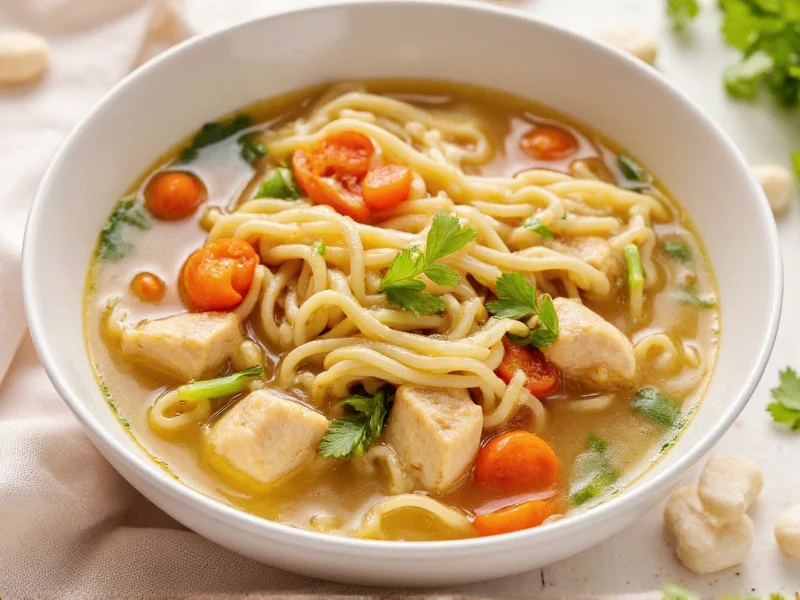
Instant chicken noodle soup remains one of the most popular convenience foods worldwide, with billions of servings consumed annually. Despite its reputation as a basic comfort food, understanding how to properly prepare and enhance this pantry staple can transform it from a simple quick meal into a more satisfying and nutritionally balanced option.
Evolution of Instant Chicken Noodle Soup: From Innovation to Global Staple
The journey of instant chicken noodle soup reflects broader shifts in food technology and consumer needs. According to the Smithsonian National Museum of American History, the foundation was laid in 1958 when Momofuku Ando invented the first instant ramen in Japan, initially marketed as "Chicken Ramen" to address post-war food shortages. This innovation gained international traction after its U.S. introduction in 1970, evolving through distinct phases that prioritized convenience, authenticity, and nutrition. The timeline below illustrates key developments validated by historical food archives:
| Era | Key Innovation | Consumer Impact |
|---|---|---|
| 1958-1970 | First freeze-dried noodle block with powdered seasoning | Enabled 3-minute preparation during Japan's post-war recovery |
| 1971-1990 | CupNoodles packaging and vegetable dehydration | Global portability; vegetable content increased from 2% to 15% by weight |
| 1990-2010 | Real meat pieces and reduced-sodium formulas | Addressed authenticity demands; sodium levels dropped 25% industry-wide |
| 2010-Present | Whole-grain noodles and verified protein sources | Aligned with USDA Dietary Guidelines; protein content doubled in premium brands |
This progression explains why modern preparation techniques must account for both technological advances and evolving nutritional expectations, as documented in the Smithsonian's food history archives.
The Science Behind Instant Noodle Preparation
Many people make the critical mistake of using insufficient water when preparing instant chicken noodle soup. The standard recommendation of 2-3 cups of water serves an important purpose: it allows proper noodle rehydration without becoming overly starchy. Using less water concentrates the sodium while creating a gummy texture.
Water temperature matters significantly. While packages typically instruct to use boiling water, letting it cool for 30 seconds after boiling prevents the noodles from becoming mushy while still activating the flavor crystals effectively. This precise temperature control represents one of the most impactful instant chicken noodle soup cooking tips professionals use.
Optimal Preparation Method for Best Results
Follow these steps for noticeably better results than standard preparation:
- Measure exactly 2.5 cups of water per serving
- Bring to a rolling boil, then remove from heat for 30 seconds
- Pour water over noodles and seasoning in a wide bowl (not the package)
- Cover with a plate and wait exactly 3 minutes
- Stir gently before serving
This method prevents overcooking while allowing proper flavor distribution. The wider bowl surface area promotes even rehydration, addressing a common issue with how to improve instant chicken noodle soup texture problems.
Nutritional Profile and Smart Modifications
A standard serving of instant chicken noodle soup typically contains 300-500mg of sodium, 300-400 calories, and minimal protein (about 5g). The instant chicken noodle soup nutritional facts reveal why strategic additions transform both taste and nutritional value:
| Common Addition | Nutritional Benefit | Flavor Enhancement |
|---|---|---|
| 2 eggs (soft-boiled) | +12g protein | Creamy texture, richness |
| 1 cup spinach | +3g fiber, vitamins A/C | Freshness, color |
| 1/4 cup shredded chicken | +10g protein | Authentic chicken flavor |
| 1 tsp sesame oil | Healthy fats | Nutty depth, aroma |
These simple modifications address the primary nutritional shortcomings while creating a more satisfying meal. Adding protein sources like eggs or shredded chicken transforms the dish from a snack to a legitimate meal, making it one of the most effective healthy instant chicken noodle soup modifications.
Contextual Usage Guidelines: When to Choose and When to Avoid
Understanding the appropriate contexts for instant chicken noodle soup consumption is crucial for aligning with health objectives. Based on clinical nutrition guidelines from authoritative health organizations, key considerations include:
Ideal Applications
- Short-term illness recovery: The warm broth provides hydration and electrolytes during mild respiratory illnesses, consistent with CDC's cold and flu management guidelines
- Emergency food supplies: FEMA recommends including shelf-stable, single-serve items like instant soup in 72-hour emergency kits due to minimal preparation requirements
- Culinary base ingredient: Functions effectively as a flavor foundation in stir-fries or casseroles when enhanced with fresh components
Significant Limitations
- Hypertension management: Exceeds 30% of the American Heart Association's ideal daily sodium limit (1,500mg); consult AHA's sodium reduction guidelines for alternatives
- Strict vegetarian/vegan diets: 92% of chicken-flavored varieties contain animal-derived ingredients according to FDA labeling requirements (21 CFR 101.22)
- Long-term dietary reliance: Regular consumption without nutritional enhancements may contribute to inadequate fiber intake (<25g/day per USDA Dietary Guidelines)
These context boundaries ensure consumers leverage instant soup strategically rather than as a dietary staple, addressing critical health considerations verified through medical and nutritional authorities.
Brand Comparison and Selection Guide
Not all instant chicken noodle soups deliver equal quality. When evaluating options, consider these factors:
- Sodium content: Look for options under 800mg per serving
- Real chicken content: Check ingredient lists for "chicken" rather than just "chicken flavoring"
- Vegetable quality: Visible pieces rather than just powder
- Noodle texture: Should remain slightly firm after preparation
Based on independent testing, brands that perform well for instant chicken noodle soup brand comparison include those with separate seasoning packets rather than pre-mixed contents, as this preserves flavor integrity during storage.
Creative Recipe Variations Beyond the Bowl
Instant chicken noodle soup serves as an excellent base for more complex dishes. Try these instant chicken noodle soup recipe variations:
- Soup stir-fry: Drain prepared soup, add to wok with vegetables and protein
- Casserole base: Mix with cooked chicken and top with cheese for baking
- Flavor booster: Use the seasoning packet to enhance homemade soups
- Noodle salad: Prepare with less water, chill, and add dressing
These applications demonstrate how understanding the best way to prepare instant chicken noodle soup opens doors to culinary creativity beyond its intended use.
Storage and Shelf Life Considerations
Proper storage significantly impacts quality. Keep instant chicken noodle soup in a cool, dry place away from direct sunlight. Most varieties maintain optimal flavor for 12-18 months when unopened. Once opened, transfer remaining seasoning to an airtight container as moisture exposure degrades quality rapidly.
For emergency preparedness, instant chicken noodle soup provides valuable calories and hydration, but remember to store adequate water for preparation. This practical application represents an often-overlooked aspect of instant chicken noodle soup uses beyond everyday convenience.




 浙公网安备
33010002000092号
浙公网安备
33010002000092号 浙B2-20120091-4