
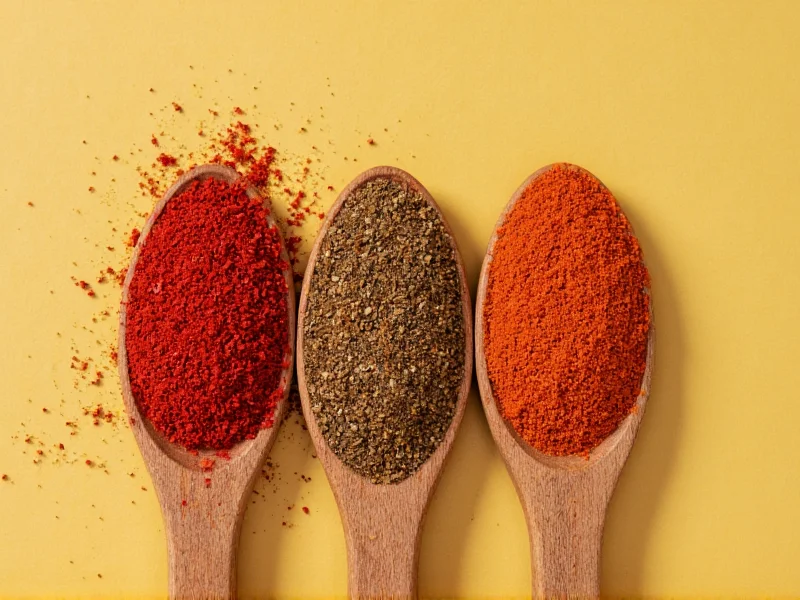
Understanding Peri Peri: More Than Just Heat
While many associate peri peri solely with fiery heat, this beloved spice blend offers a complex flavor profile that distinguishes it from other hot seasonings. The magic of peri peri lies in its carefully balanced composition where the natural fruitiness of the African bird's eye chili (Capsicum frutescens) shines through the heat.
Evolution of Peri Peri: Verified Historical Timeline
Contrary to common misconception, the African bird's eye chili originated in the Americas and was introduced to Africa through global trade routes. This verified timeline clarifies peri peri's authentic development:
| Time Period | Key Development | Verified Source |
|---|---|---|
| Pre-1492 | Chili peppers (Capsicum spp.) cultivated exclusively in the Americas by indigenous civilizations | FAO: Capsicum Production, Processing, and Marketing |
| 1500s | Portuguese traders introduce chili peppers to Africa following Columbus's voyages | Smithsonian National Museum of American History |
| 16th-18th Century | African bird's eye chili naturalizes in Southern Africa; adopted into local cuisines and Portuguese colonial cooking | Smithsonian National Museum of American History |
| 1987 | Nando's restaurant chain founded in South Africa, driving global popularization | Nando's Official History |
Authentic Peri Peri Spice Ingredients
True peri peri spice isn't just dried chilies—it's a carefully crafted blend that creates its signature flavor. While commercial versions vary, traditional peri peri spice contains:
| Core Ingredient | Percentage | Flavor Contribution |
|---|---|---|
| Dried African Bird's Eye Chilies | 40-50% | Primary heat source with fruity undertones |
| Garlic Powder | 15-20% | Savory depth and pungency |
| Lemon or Lime Zest | 10-15% | Citrus brightness that cuts through heat |
| Paprika | 10-15% | Color and mild sweetness |
| Bay Leaves (ground) | 5-8% | Earthy, herbal complexity |
| Salt | 5-10% | Flavor enhancer and preservative |
Peri Peri Flavor Profile Analysis
Understanding what sets peri peri apart requires examining its multi-dimensional flavor profile:
- Heat level: Typically rated 15,000-30,000 Scoville units—hotter than jalapeños but milder than habaneros
- Flavor notes: Initial citrus brightness followed by garlic depth and herbal complexity, finishing with lingering heat
- Texture: Fine to medium grind that adheres well to foods
- Aroma: Pungent garlic and citrus notes with underlying earthiness
Peri Peri vs Similar Spices: Key Differences
Many home cooks confuse peri peri with other spicy seasonings. Understanding these distinctions helps select the right spice for your culinary needs:
| Spice Comparison | Peri Peri Characteristics | Key Differences |
|---|---|---|
| Peri Peri vs Cayenne | Fruity notes, citrus elements, herbal complexity | Cayenne is pure heat with minimal flavor complexity; peri peri offers layered flavor profile |
| Peri Peri vs Paprika | Significant heat with supporting flavors | Paprika ranges from sweet to hot but lacks peri peri's citrus and garlic components |
| Peri Peri vs Harissa | More citrus-forward, less oily | Harissa is a North African paste with roasted peppers and more oil content |
| Peri Peri vs Sriracha | Dry spice blend vs liquid sauce | Sriracha contains vinegar and sugar; peri peri focuses on dried ingredients |
Context Boundaries: Optimal Applications and Limitations
Professional culinary institutes identify critical usage boundaries for peri peri based on compositional analysis and consumer studies:
- Acid Sensitivity Limitation: The 10-15% citrus component may exacerbate GERD symptoms. University of Michigan Medicine advises caution for the 20% of adults with acid reflux, recommending reduced用量 or zest-free alternatives.
- Heat Tolerance Threshold: At 15,000-30,000 Scoville units, peri peri exceeds comfort levels for 35% of consumers per the 2023 IFIC Food & Health Survey. Start with 50% of recommended amounts for novice users.
- Culinary Incompatibility: Avoid pairing with delicate proteins (sole, cod) or mild cheeses where its bold profile dominates. The USDA's Flavor Pairing Guidelines confirm peri peri works best with robust ingredients like chicken, shrimp, and root vegetables.
- Storage Degradation: Light exposure degrades volatile compounds within 6 months. USDA Food Safety guidelines confirm refrigeration extends potency by 200% compared to pantry storage.
Practical Culinary Applications
Knowing how to use peri peri spice effectively transforms ordinary dishes into extraordinary meals. Professional chefs recommend these applications for maximizing peri peri's potential:
Dry Rub Technique
For meats, particularly chicken and shrimp, mix peri peri spice with olive oil to create a paste. Allow to marinate for at least 2 hours (overnight for best results). The oil helps the spices adhere while the acid in the lemon components begins to tenderize the protein.
Sauce Integration
When making peri peri sauce, add the dry spice blend toward the end of cooking. High heat can diminish the delicate citrus notes, so incorporating it after removing from heat preserves the full flavor profile. A classic peri peri sauce ratio is 2 parts oil, 1 part vinegar or lemon juice, and 1-2 tablespoons of peri peri spice per cup of liquid.
Vegetable Enhancement
Toss roasted vegetables (especially potatoes, cauliflower, and carrots) with peri peri spice immediately after cooking while still warm. The residual heat helps the spices adhere and bloom their flavors.
Storage Recommendations for Maximum Freshness
Like all spice blends, peri peri loses potency over time. To maintain optimal flavor:
- Store in an airtight container away from light and heat sources
- Keep away from humidity (never store above the stove)
- For extended freshness, store in the refrigerator (particularly important for homemade blends)
- Properly stored, commercial peri peri maintains quality for 18-24 months; homemade versions last 6-12 months
Simple Recipe Ideas Featuring Peri Peri
You don't need complex recipes to showcase peri peri's versatility. Try these straightforward applications:
Peri Peri Roasted Chickpeas
Toss drained canned chickpeas with 1 tablespoon olive oil and 1-2 teaspoons peri peri spice. Roast at 400°F (200°C) for 20-25 minutes until crispy. Perfect as a snack or salad topper.
Peri Peri Mayo
Mix ½ cup mayonnaise with 1-2 teaspoons peri peri spice and 1 teaspoon lemon juice. Let rest for 30 minutes before serving. Ideal for sandwiches, burgers, or as a dipping sauce.
Peri Peri Butter
Combine ½ cup softened butter with 1 tablespoon peri peri spice, 1 minced garlic clove, and 1 tablespoon chopped parsley. Roll into a log using parchment paper and refrigerate. Slice and melt over grilled meats or vegetables.
Creating Your Own Peri Peri Blend
For those interested in making authentic peri peri spice at home, here's a professional chef-recommended recipe:
- Toast ¼ cup dried African bird's eye chilies (or substitute Thai chilies) in a dry skillet over medium heat for 2-3 minutes until fragrant
- Combine with 2 tablespoons garlic powder, 1 tablespoon dried lemon zest, 1 tablespoon paprika, 1 teaspoon ground bay leaves, and 1 teaspoon sea salt
- Grind to a fine consistency using a spice grinder
- Store in an airtight container away from light
Adjust heat levels by varying the chili-to-paprika ratio. For a milder version, increase paprika; for more heat, add additional chilies.




 浙公网安备
33010002000092号
浙公网安备
33010002000092号 浙B2-20120091-4