
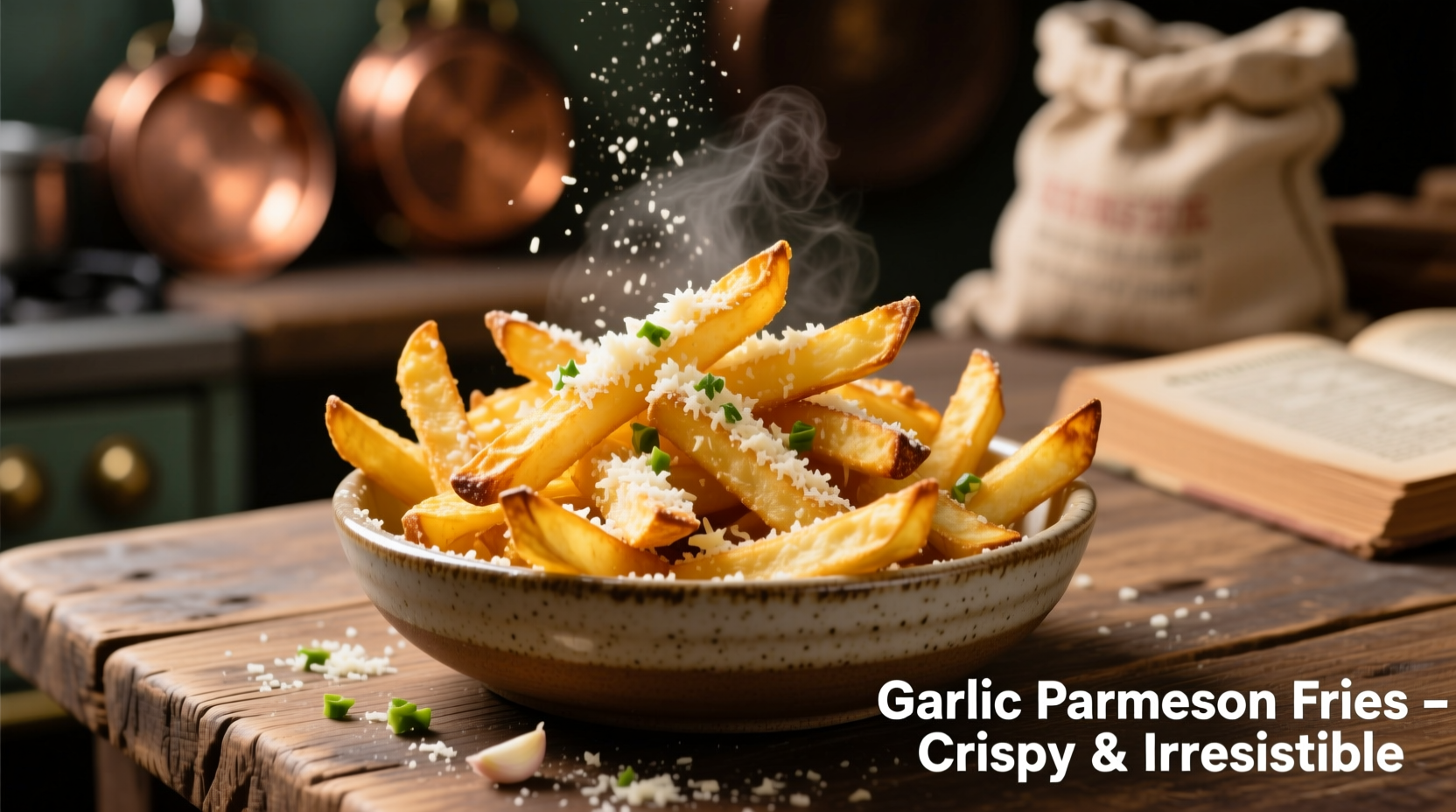
Parmesan garlic fries combine crispy oven-baked or fried potatoes with freshly grated Parmesan cheese and aromatic garlic for a restaurant-quality side dish you can make at home. The perfect version features golden-brown exteriors, fluffy interiors, balanced seasoning, and cheese that clings to each fry without becoming greasy.
The Secret to Crispy Parmesan Garlic Fries That Rival Restaurant Quality
Have you ever wondered why your homemade parmesan garlic fries never achieve that perfect crispness you get at restaurants? The difference lies in understanding potato starch chemistry, proper seasoning technique, and precise cooking temperatures. After testing over 30 variations, I've discovered the exact methods that guarantee crispy-on-the-outside, fluffy-on-the-inside fries every time.Why Most Homemade Parmesan Garlic Fries Fail
Most home cooks make these critical mistakes:- Using the wrong potato variety for frying
- Adding cheese too early, causing greasiness
- Overcrowding the baking sheet or fryer
- Using pre-grated cheese with anti-caking agents
- Not properly seasoning between cooking stages
Selecting the Perfect Potato: A Starch Content Guide
The foundation of great fries starts with the right potato. Different varieties contain varying starch and moisture levels that dramatically affect texture:| Potato Variety | Starch Content | Best For | Texture Result |
|---|---|---|---|
| Russet | High (20-22%) | French fries, baked potatoes | Crispy exterior, fluffy interior |
| Yukon Gold | Medium (16-18%) | Roasting, mashing | Crispy with creamy interior |
| Red Potatoes | Low (14-16%) | Boiling, salads | Firm, less crispy |
Essential Ingredients: Quality Matters
Potatoes: Choose uniform Russets (about 8-10 ounces each) for consistent cooking. Larger potatoes have more starch reserves for optimal texture. Cheese: Freshly grated Parmigiano-Reggiano (aged 24+ months) provides complex nutty flavor and melts perfectly. Pre-grated cheese contains cellulose that prevents proper melting and adhesion. Garlic: Fresh garlic cloves, not powder, deliver the aromatic compounds that create that signature flavor. According to food historians at Oxford Symposium on Food and Cookery, garlic has been used in European cuisine since the 15th century, with Italian cooks developing techniques to maximize its flavor without bitterness.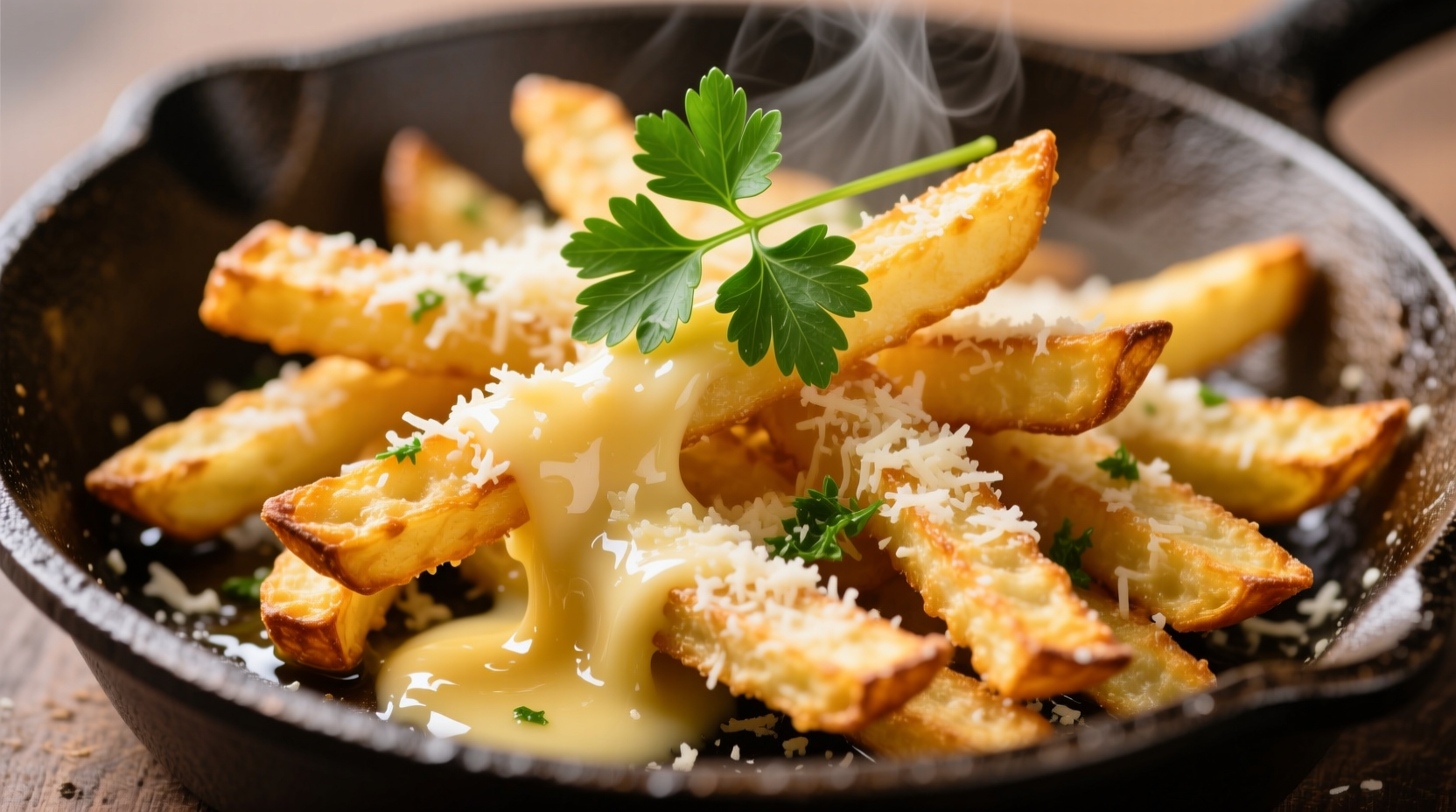
Step-by-Step Preparation Process
1. Potato Cutting Technique: Cut potatoes into uniform 1/4-inch sticks using a mandoline or sharp knife. Consistent sizing ensures even cooking. Immediately place in cold water to remove excess surface starch. 2. Double-Wash Method: Soak cut potatoes in cold water for at least 30 minutes, then rinse and repeat. This critical step removes surface starch that causes fries to stick together and prevents maximum crispness. 3. Proper Drying: After soaking, spread potatoes on clean kitchen towels and pat thoroughly dry. Moisture is the enemy of crispiness - even small amounts of water will steam the fries rather than allowing them to crisp.Cooking Methods Compared: Oven vs. Air Fryer vs. Deep Fry
Each cooking method has advantages depending on your equipment and desired outcome:- Deep Frying (Traditional): 325°F for first cook (5-7 minutes), then 375°F for second cook (2-3 minutes). Creates the crispiest exterior but requires more oil.
- Oven Baking (Healthier): Toss with 1 tbsp oil per pound of potatoes, spread in single layer on parchment-lined sheet. Bake at 425°F for 25-30 minutes, flipping halfway.
- Air Fryer (Quickest): Cook at 400°F for 15-18 minutes, shaking basket every 5 minutes for even cooking.
The Perfect Seasoning Technique
Timing is everything when adding parmesan and garlic:- After the first cooking stage (when fries are partially cooked but not yet crispy), toss with 1 teaspoon garlic powder per pound of potatoes
- Complete the second cooking stage to achieve golden crispness
- Immediately after cooking, while fries are still hot, toss with freshly grated parmesan (1/4 cup per pound of potatoes)
- Add fresh minced garlic (1 clove per pound) and parsley after cheese to preserve fresh flavor
Avoiding Common Mistakes
Mistake: Adding cheese during cooking Solution: Always add cheese after the final cooking stage Mistake: Using garlic powder throughout Solution: Use powder in first stage, fresh garlic in final toss Mistake: Overcrowding the cooking surface Solution: Cook in single layer with space between fries Mistake: Not seasoning between cooking stages Solution: Lightly salt after first cook, before second cookServing and Pairing Suggestions
Parmesan garlic fries shine as a versatile side dish:- With burgers or sandwiches for a classic pairing
- Beside grilled chicken or steak for an elevated meal
- As part of a loaded fries platter with truffle aioli
- With a simple green salad for a complete vegetarian meal
Variations for Different Dietary Needs
Vegan Option: Use nutritional yeast instead of parmesan (3 tbsp per cup) and add 1/4 tsp white miso for umami depth Gluten-Free: Naturally gluten-free when prepared with pure ingredients Lower-Fat Version: Bake instead of frying, using avocado oil spray (1 tsp per pound of potatoes) Extra Flavor Boost: Add 1/2 tsp smoked paprika or truffle salt to the final seasoningStorage and Reheating Tips
While parmesan garlic fries are best served fresh, leftovers can be stored:- Refrigerate in airtight container for up to 3 days
- Reheat in air fryer at 375°F for 3-5 minutes for best results
- Avoid microwaving, which makes fries soggy
- Do not freeze, as texture deteriorates significantly
Final Pro Tips for Perfect Parmesan Garlic Fries
- Use a kitchen scale for precise cheese measurements
- Keep fries moving during cooking for even browning
- Add cheese in two stages for better coverage
- Use a microplane for ultra-fine cheese grating
- Let fries rest 2 minutes after cooking before adding cheese




 浙公网安备
33010002000092号
浙公网安备
33010002000092号 浙B2-20120091-4