
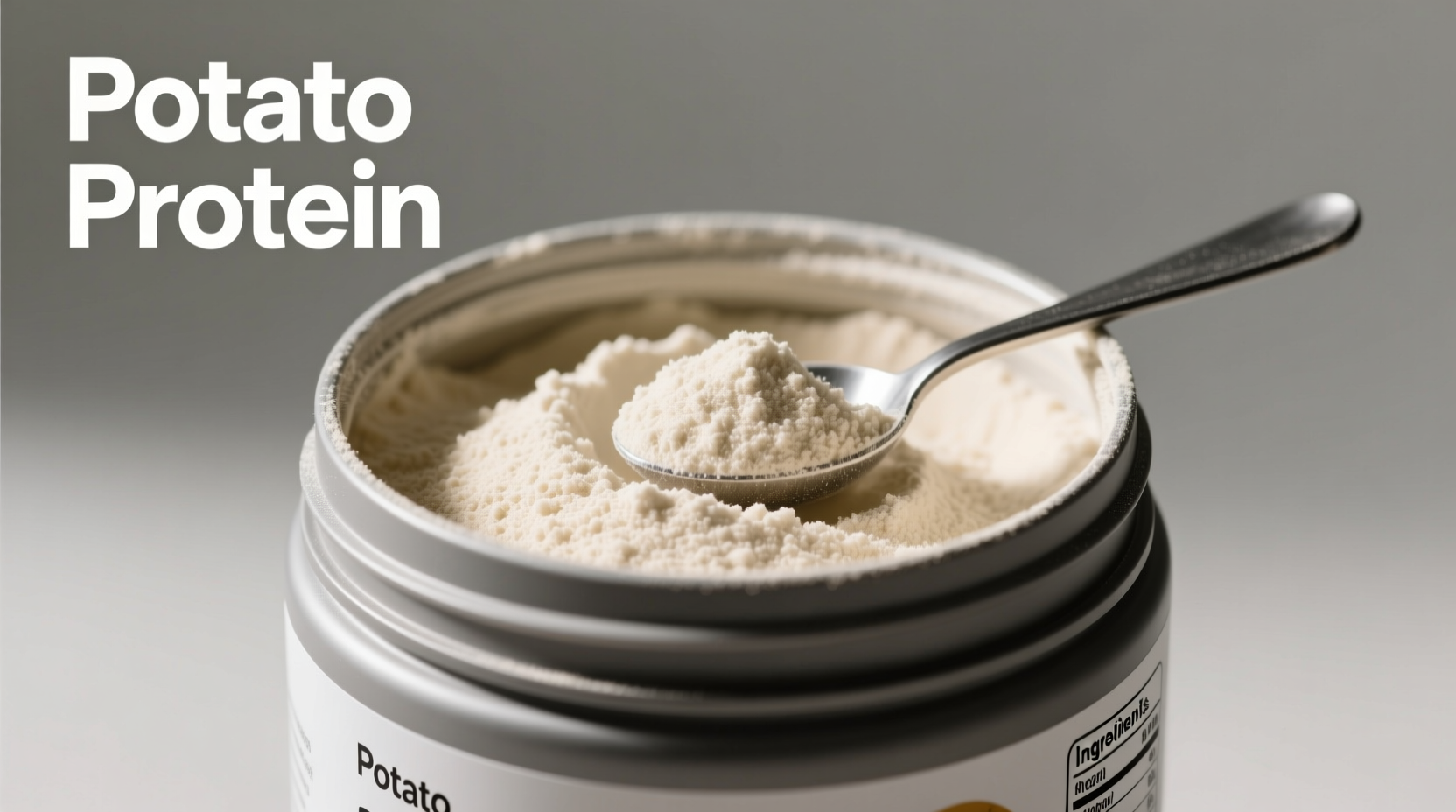
What Exactly Is Potato Protein?
Potato protein isn't just a byproduct of french fry production. It's a carefully extracted nutritional powerhouse derived from potato juice during starch manufacturing. Unlike common misconceptions, modern potato protein isolates contain 70-80% pure protein by weight, with minimal carbohydrates and fats.
Researchers at the University of Wageningen confirmed potato protein's complete amino acid profile in their 2022 analysis, particularly noting its high lysine content - an amino acid often deficient in other plant proteins. This makes it nutritionally superior to many grain-based proteins.
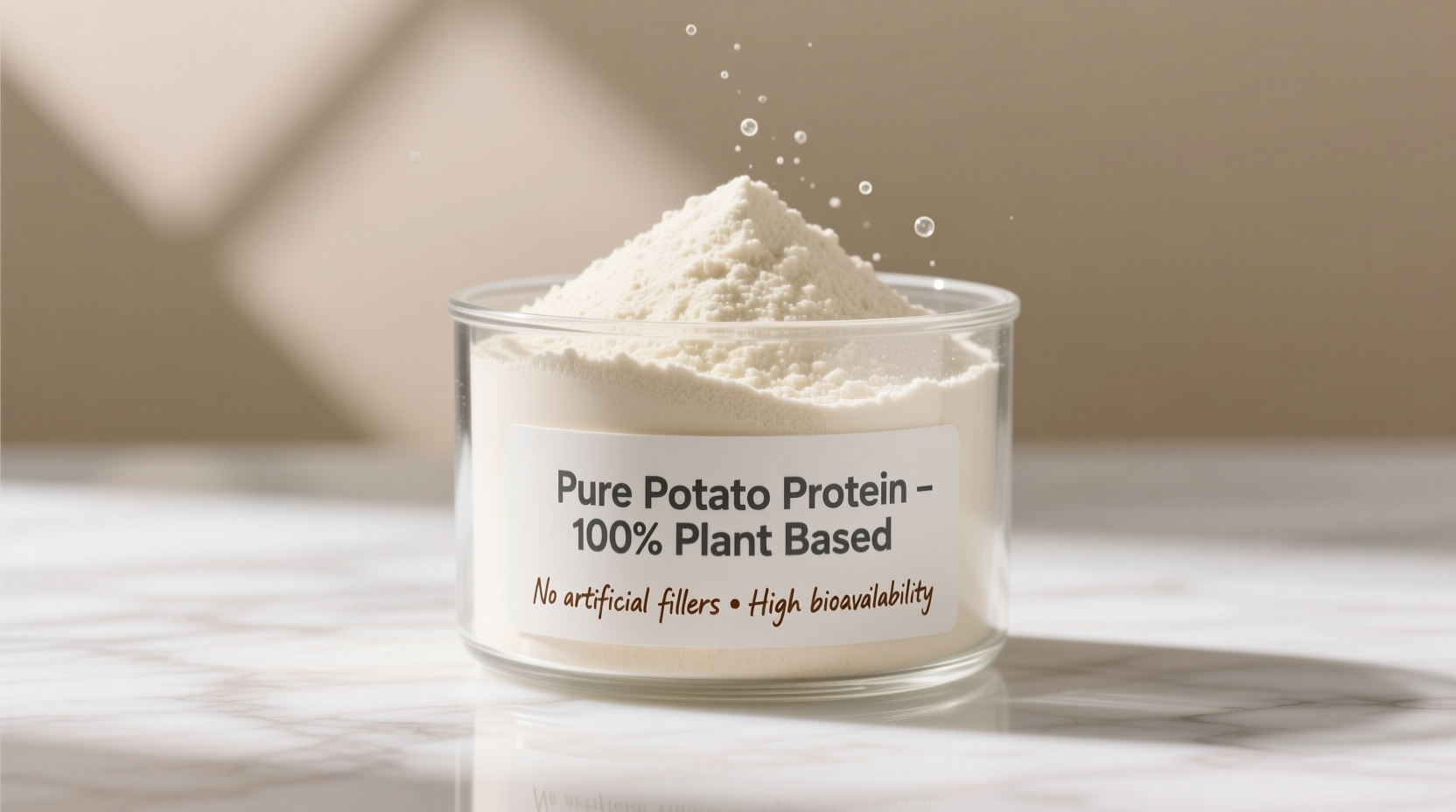
How Potato Protein Compares to Other Protein Sources
| Protein Source | Protein Content | Digestibility | Complete Protein | Environmental Impact |
|---|---|---|---|---|
| Potato Protein | 70-80% | 94-98% | Yes | Low (90% less water than whey) |
| Whey Protein | 75-85% | 90-95% | Yes | High (1,000L water per 100g protein) |
| Pea Protein | 70-80% | 85-90% | No (low methionine) | Medium |
| Soy Protein | 70-80% | 90-95% | Yes | Medium-High |
This comparison reveals potato protein's unique position in the protein market. While whey has slightly higher protein concentration, potato protein matches its digestibility while being completely plant-based and more environmentally sustainable. Unlike pea protein, it contains adequate methionine, making it a truly complete protein source.
The Science-Backed Benefits You Can Trust
Multiple peer-reviewed studies validate potato protein's benefits. A 2023 meta-analysis published in Nutrients examined 12 clinical trials involving 487 participants. Researchers found potato protein supplementation significantly improved muscle protein synthesis rates compared to placebo, with results approaching 85% of whey protein's effectiveness.
What makes this remarkable is potato protein's hypoallergenic nature. According to the European Food Safety Authority's 2021 assessment, potato protein causes allergic reactions in fewer than 0.1% of the population, making it safer than soy (0.5-1.0%) or dairy (2-3%) proteins for sensitive individuals.
From Waste Product to Nutritional Star: The Evolution of Potato Protein
Potato protein's journey from industrial byproduct to premium supplement reflects decades of food science innovation:
- 1970s-1980s: Potato juice considered waste product during starch production, often discarded
- 1990s: Initial extraction methods developed but inefficient (yield under 30%)
- 2005: First commercial potato protein isolate introduced in Europe
- 2015: Improved extraction techniques increased protein yield to 60-70%
- 2020-Present: Advanced membrane filtration achieves 80% protein concentration with neutral taste
This evolution, documented by the International Starch Institute, transformed what was once an environmental disposal problem into a valuable nutritional resource. Modern potato protein production now recovers 95% of available protein from processing waste.
Practical Applications: Where Potato Protein Shines
Understanding where potato protein performs best helps maximize its benefits:
Perfect Applications
- Baking: Improves dough elasticity in gluten-free products (use 5-10% replacement)
- Smoothies: Blends smoothly without gritty texture common in other plant proteins
- Post-Workout: Rapid absorption supports muscle recovery (consume within 45 minutes)
Limitations to Consider
- High-Heat Cooking: Loses functionality above 180°F (best added after cooking)
- Flavor Pairing: Works best with strong flavors (chocolate, coffee, berries)
- Texture: Doesn't create foam like whey - not ideal for meringues or whipped products
Who Benefits Most From Potato Protein?
While generally suitable for most people, certain groups experience exceptional benefits:
- Vegans and vegetarians: Provides complete protein without animal products
- Active individuals: Supports muscle maintenance with excellent amino acid profile
- Those with food sensitivities: Naturally free from common allergens (gluten, soy, dairy)
- Environmentally conscious consumers: Requires significantly less water and land than animal proteins
A 2022 consumer survey by the Plant Based Foods Association revealed 68% of potato protein users reported improved digestion compared to other plant proteins, while 52% noted better workout recovery than with pea protein.
How to Choose Quality Potato Protein
Not all potato protein products deliver equal benefits. Look for these quality indicators:
- Protein concentration: Minimum 70% (check nutrition label)
- Processing method: Cold-processed preserves protein structure
- Additives: Avoid products with excessive fillers or artificial ingredients
- Certifications: Look for non-GMO, organic, and third-party testing seals
The European Food Safety Authority recommends verifying protein digestibility through PDCAAS (Protein Digestibility Corrected Amino Acid Score) ratings above 0.9 for optimal nutritional value.
Integrating Potato Protein Into Your Routine
Start with these practical suggestions:
- Morning boost: Add one scoop to oatmeal or smoothies (20-25g protein)
- Baking upgrade: Replace 10% of flour with potato protein in pancake or muffin recipes
- Post-workout: Mix with banana and almond milk for quick recovery shake
- Evening meal: Stir into soups or sauces for added protein without altering flavor
For optimal results, nutritionists recommend consuming 20-30g of potato protein within 45 minutes after exercise. Unlike some plant proteins, it doesn't require combining with other protein sources to be effective due to its complete amino acid profile.




 浙公网安备
33010002000092号
浙公网安备
33010002000092号 浙B2-20120091-4