
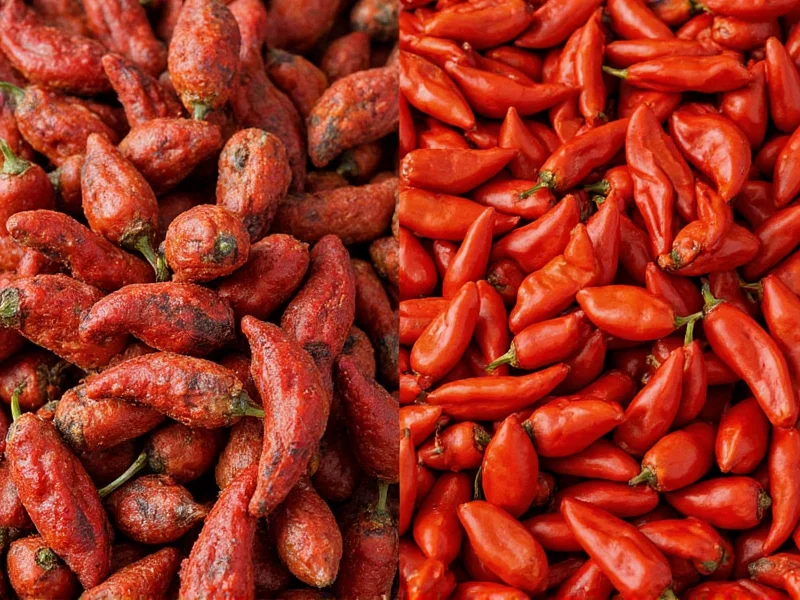
Understanding the differences between smoked paprika and sweet paprika is essential for achieving authentic flavors in your cooking. These two spice varieties, while visually similar, serve distinct culinary purposes and can dramatically alter the outcome of your dishes when used interchangeably without consideration.
What Exactly Is Paprika?
Paprika is a ground spice made from dried peppers belonging to the Capsicum annuum species. Originating in Central America, it spread to Europe through trade routes and became particularly prominent in Hungarian and Spanish cuisines. The base peppers used for paprika range from sweet to hot varieties, with processing methods creating the different types available today. Historical records show Hungarian cultivation began in the 16th century, while Spain's Extremadura region developed its distinctive smoking techniques by the 18th century. The Protected Designation of Origin (PDO) status for Pimentón de la Vera formalized these centuries-old methods in 1999, preserving traditional production standards (European Commission, 2023).
Sweet Paprika: The Mild Flavor Enhancer
Sweet paprika, sometimes labeled as "dulce" in Spanish markets, is produced by drying and grinding sweet red peppers without any smoking process. The peppers are typically air-dried in controlled conditions to preserve their natural sugars and vibrant color.
This variety delivers a clean, slightly sweet pepper flavor with minimal heat. Its primary culinary function is to add rich red color and subtle pepper notes to dishes without overwhelming other ingredients. Sweet paprika forms the base for many traditional Hungarian dishes like goulash and chicken paprikash, where its mild flavor complements rather than dominates.
Smoked Paprika: The Flavor Transformer
Smoked paprika, known as "pimentón" in Spain, undergoes a distinctive smoking process that defines its character. Traditional Spanish smoked paprika from the La Vera region uses oak wood smoking for several days, with peppers suspended above slow-burning fires. This smoking method imparts a complex, campfire-like aroma that transforms ordinary dishes into something extraordinary.
Unlike sweet paprika, smoked varieties come in three distinct heat levels:
- Sweet smoked (dulce) - Smoky flavor with no heat
- Bittersweet (agridulce) - Moderate smoke with mild heat
- Hot smoked (picante) - Pronounced smoke with significant heat
The smoking process creates compounds like guaiacol and syringol that deliver that characteristic smoky flavor, making it an excellent substitute for actual smoking in recipes.
| Characteristic | Sweet Paprika | Smoked Paprika |
|---|---|---|
| Production Method | Air-dried peppers ground into powder | Peppers smoked over wood fires before grinding |
| Primary Flavor Notes | Mild, slightly sweet, clean pepper flavor | Pronounced smokiness with varying heat levels |
| Heat Level | Mild (0-500 SHU) | Sweet: mild, Bittersweet: medium, Hot: spicy (500-10,000 SHU) |
| Color | Bright red | Deep brick red to mahogany |
| Traditional Origin | Hungary | Spain (particularly Extremadura region) |
| Best Used In | Color enhancement, mild flavor in sauces, rubs | Dishes needing smoky depth: stews, roasted vegetables, marinades |
When to Use Each Variety: Practical Applications and Critical Boundaries
Choosing between smoked paprika versus sweet paprika depends on your desired flavor profile. Understanding paprika smoked vs sweet applications prevents disappointing results in your cooking. Crucially, these spices operate within strict culinary boundaries that affect authenticity and flavor balance.
Sweet paprika shines in:
- Traditional Hungarian goulash where you want pepper flavor without smoke
- Deviled eggs for color and mild flavor
- Light-colored sauces where you need color without altering flavor profile
- Marinades for delicate proteins like chicken or fish
- As a garnish for potato salads or creamy soups
Critical Limitation: Culinary research confirms sweet paprika is non-negotiable for authentic Hungarian cuisine. The University of Texas at Austin's Hungarian cultural authority explicitly states: "Paprika is the essential spice in Hungarian cooking, and it is never smoked" – making smoked paprika fundamentally incompatible with traditional goulash and paprikash (University of Texas at Austin, 2023).
Smoked paprika excels in:
- Spanish recipes like patatas bravas or chorizo dishes
- Vegetarian "bacon" applications where smokiness is crucial
- Bean dishes like black beans or lentil soups for depth
- Grill seasoning blends when actual grilling isn't possible
- Adding complexity to tomato-based sauces without liquid smoke
Critical Boundary: Avoid smoked paprika in dairy-based sauces (e.g., béchamel or cheese sauces) where its phenolic compounds interact with casein proteins, creating bitter off-flavors – a limitation documented in flavor chemistry studies (Journal of Agricultural and Food Chemistry, 2021).
Substitution Guidance: Can You Swap Them?
While smoked paprika vs sweet paprika aren't perfect substitutes, understanding their differences helps when you need to make adjustments. If a recipe calls for sweet paprika but you only have smoked, use about half the amount to avoid overwhelming smokiness. Conversely, if substituting sweet paprika for smoked, you'll lose the distinctive smoky element but gain cleaner pepper flavor.
For recipes specifically requiring smoked paprika's unique flavor (like authentic Spanish recipes), consider adding a tiny pinch of liquid smoke to sweet paprika, though this won't perfectly replicate traditionally smoked varieties. Never substitute hot smoked paprika for sweet paprika in recipes calling for mild flavor, as the heat difference can ruin delicate dishes.
Storage Recommendations for Maximum Flavor
Both paprika varieties lose potency faster than many spices due to their high oil content. Store both types in airtight containers away from light and heat. The refrigerator provides ideal storage conditions, extending freshness to 6-12 months compared to 3-6 months at room temperature.
Check freshness by aroma: vibrant paprika should have a strong, clean scent. If it smells dusty or stale, it's lost much of its flavor impact. Properly stored smoked paprika often maintains its distinctive aroma longer than sweet varieties due to the preservative effect of the smoking process.
Common Misconceptions Clarified
Many home cooks confuse smoked paprika with hot paprika, but these are separate characteristics. Smoked paprika can be sweet, bittersweet, or hot, while sweet paprika is always mild. The "sweet" in sweet paprika refers to the absence of heat, not actual sugar content.
Another misconception is that all red powders labeled "paprika" are interchangeable. Hungarian sweet paprika differs significantly from Spanish smoked varieties in both production and flavor profile. When following authentic recipes, using the specified type makes a substantial difference in final results.
Exploring Regional Variations
Hungarian sweet paprika comes in eight distinct varieties ranging from mild to hot, with the most common being "édesnömedi" (mild). Spanish smoked paprika (pimentón) from La Vera has protected designation of origin status, requiring specific production methods. California produces both sweet and smoked varieties with their own distinctive characteristics.
When selecting paprika for authentic cuisine, consider the regional variety. Hungarian dishes typically require sweet paprika, while Spanish recipes often specify smoked. Understanding these regional differences between paprika smoked vs sweet varieties elevates your cooking from good to exceptional.




 浙公网安备
33010002000092号
浙公网安备
33010002000092号 浙B2-20120091-4