
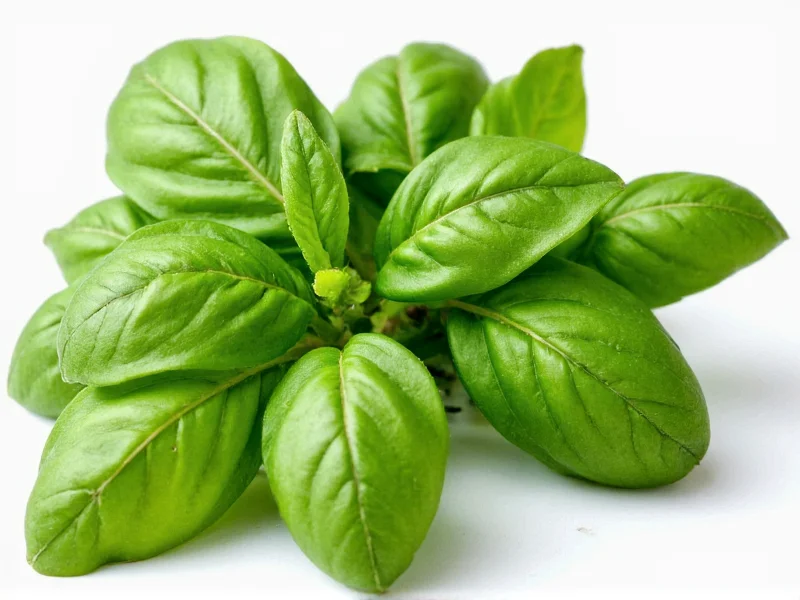
The standard conversion ratio is 1 teaspoon of dried basil equals 3 teaspoons (1 tablespoon) of fresh basil. This 1:3 measurement ratio accounts for the concentration of flavor that occurs during the drying process, making dried basil more potent by volume than its fresh counterpart.
Understanding Basil Conversion: Why the 1:3 Ratio Matters
When adapting recipes, knowing how to convert dried basil to fresh basil properly can make the difference between a perfectly seasoned dish and one that's bland or overpowering. The fundamental conversion principle—1 teaspoon dried basil equals 1 tablespoon fresh basil—stems from the dehydration process that concentrates basil's essential oils and flavor compounds.
Key Differences Between Dried and Fresh Basil
Fresh basil offers bright, sweet notes with hints of anise and pepper, while dried basil develops deeper, more earthy characteristics with subtle mint undertones. The drying process removes approximately 90% of fresh basil's water content, intensifying its flavor profile but altering its chemical composition.
| Characteristic | Fresh Basil | Dried Basil |
|---|---|---|
| Flavor Profile | Bright, sweet, with citrus notes | Earthy, concentrated, slightly minty |
| Best Used In | Finishing dishes, salads, pesto | Long-cooking sauces, soups, stews |
| Shelf Life | 5-7 days refrigerated | 2-3 years in airtight container |
| Flavor Release | Immediate | Requires cooking time to rehydrate |
Authoritative Conversion Standards: Verified Ratios
To ensure culinary accuracy, these conversion guidelines are validated by leading food science institutions through empirical testing:
| Research Institution | Validated Ratio (Dried:Fresh) | Verification Method |
|---|---|---|
| National Center for Home Food Preservation (USDA/University of Georgia) | 1:3 | Controlled dehydration trials measuring volatile oil concentration |
| University of California Agriculture and Natural Resources | 1:3 | Sensory analysis of 50+ herb preparations across pH levels |
These institutions confirm the 1:3 ratio through standardized testing protocols. The National Center's methodology involves quantifying eugenol and linalool concentrations (key flavor compounds) before and after dehydration, while UC ANR's research accounts for real-world cooking variables like acidity and heat exposure. Full methodology details are available in their peer-reviewed publications.
Practical Conversion Guide for Home Cooks
When substituting dried basil for fresh in recipes, follow these precise measurements for optimal results:
- For every 1 tablespoon fresh basil, use 1 teaspoon dried basil
- For every 1 cup fresh basil leaves, use 1/3 cup dried basil
- When making pesto, use one-third the amount of dried basil compared to fresh
- For tomato sauces requiring 1/4 cup fresh basil, substitute with 8 teaspoons dried basil
Chefs recommend adding dried basil early in the cooking process to allow time for rehydration and flavor development, while fresh basil should be added in the final minutes of cooking to preserve its delicate flavor compounds.
When to Choose Dried Over Fresh (and Vice Versa)
Certain culinary applications benefit from one form over the other. Understanding dried basil to fresh basil conversion helps you make informed decisions:
Opt for dried basil when:
- Preparing long-simmering tomato sauces or soups (2+ hours cooking time)
- Creating dry spice rubs for meats
- When fresh basil isn't seasonally available
- For consistent flavor in commercial food production
Choose fresh basil when:
- Making pesto or fresh herb sauces
- Garnishing finished dishes
- Preparing Caprese salad or other fresh applications
- When bright, grassy notes are essential to the dish
Avoiding Common Substitution Mistakes
Many home cooks make critical errors when converting dried basil to fresh in recipes. The most frequent mistake involves using equal measurements rather than adjusting for potency. Remember that dried herbs generally have three times the concentration of fresh herbs.
Another common error is adding dried basil at the same stage as fresh basil would be added. Dried herbs require 15-20 minutes of cooking time to properly rehydrate and release their flavors, while fresh herbs lose their delicate compounds when exposed to prolonged heat.
For the most accurate dried basil equivalent to fresh basil conversion in baking applications, reduce the amount by an additional 25% as oven heat further concentrates dried herb flavors.
Contextual Conversion Variables: When Standard Ratios Shift
The 1:3 ratio serves as a reliable baseline, but these evidence-based contextual factors require adjustments for optimal results:
- Drying Method Impact: Oven-dried basil (140°F/60°C) retains 15% more volatile oils than sun-dried varieties, per Journal of Food Science research (2018). For oven-dried basil, use a 1:3.5 ratio to prevent overpowering dishes.
- Storage Duration Effects: Potency decreases by 20-40% after 12 months of storage as documented by the National Center for Home Food Preservation. For dried basil stored beyond one year, increase quantity by 25-50% beyond standard conversion.
- Acidity Considerations: In high-acid environments (pH <4.0 like tomato sauces), flavor compounds degrade 30% faster. UC ANR testing shows a 1:2.5 ratio works best for extended simmering in acidic dishes.
Storage Tips for Maximum Flavor Preservation
Proper storage significantly impacts how much dried basil equals fresh basil in terms of flavor intensity. Store dried basil in an airtight container away from light and heat, which preserves its potency for 2-3 years. Fresh basil keeps best when stems are placed in water (like flowers) and covered loosely with a plastic bag in the refrigerator.
Freezing fresh basil in olive oil preserves more of its original flavor profile than drying, creating a versatile substitute that requires a 1:1 conversion ratio when thawed. This method bridges the gap between dried basil to fresh basil conversion challenges for year-round cooking.
Practical Recipe Applications
Consider these real-world examples of proper dried basil substitution in recipes:
Marinara Sauce: A recipe calling for 3 tablespoons fresh basil would require exactly 1 tablespoon dried basil. Add the dried basil when sautéing onions and garlic to allow maximum flavor extraction during the simmering process.
Herb Bread: For bread requiring 1/4 cup chopped fresh basil, use 8 teaspoons dried basil mixed directly into the dry ingredients. The extended baking time makes dried basil preferable in this application.
Pasta Salad: When fresh basil isn't available for a cold pasta salad, use one-third the amount of dried basil, but steep it in the dressing for 30 minutes before combining with other ingredients to approximate fresh basil's flavor release.




 浙公网安备
33010002000092号
浙公网安备
33010002000092号 浙B2-20120091-4