
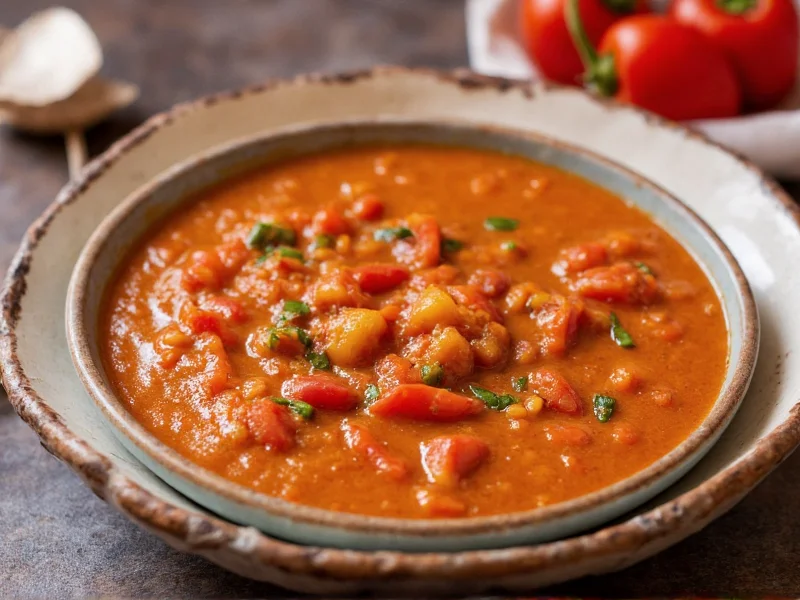
Understanding Panca Pepper Sauce: Peru's Culinary Secret
When exploring South American cuisine, few ingredients capture the essence of Peruvian cooking quite like panca pepper sauce. This vibrant red condiment forms the backbone of countless traditional dishes across Peru, yet remains relatively unknown to many international home cooks. Unlike its fiery cousin the rocoto pepper, aji panca delivers a more nuanced flavor experience that has made it indispensable in Peruvian kitchens for centuries.
What Exactly Is Panca Pepper Sauce?
Aji panca (Capsicum chinense) is a specific variety of chili pepper native to Peru, characterized by its deep burgundy color when matured and dried. The sauce derived from these peppers undergoes a careful preparation process that preserves their distinctive flavor profile. Authentic panca pepper sauce contains rehydrated aji panca peppers blended with vinegar, garlic, and sometimes cumin or other complementary spices.
The production method significantly impacts quality. Traditional preparation involves soaking dried aji panca peppers before blending them into a smooth paste. Some commercial versions may include additional ingredients like oil or preservatives, but the purest forms maintain simplicity with minimal additives. This dedication to authentic preparation methods preserves the pepper's natural characteristics without overwhelming its delicate flavor.
Historical Evolution of Aji Panca: From Ancient Crop to Culinary Staple
Understanding aji panca's journey provides context for its cultural significance in Peru. Archaeological evidence suggests chili peppers have been cultivated in the Andean region for over 6,000 years, with aji panca emerging as a distinct variety through selective breeding by pre-Columbian civilizations.
| Time Period | Key Developments | Historical Evidence |
|---|---|---|
| 4000-2000 BCE | Earliest domestication of wild chili peppers in Peru | Starch grain analysis on ancient grinding stones (Purdue University, 2014) |
| Moche Civilization (100-700 CE) | Depictions of chili peppers in pottery and murals | Museum of the Royal Tombs of Sipán artifacts (Peru Ministry of Culture) |
| Inca Empire (1438-1533) | Systematic cultivation across Andean valleys; peppers used in religious ceremonies | Chronicles of Garcilaso de la Vega (1609) and modern ethnobotanical studies |
| Colonial Period (1532-1821) | Integration with European ingredients; development of signature sauces like aji panca | Manuscripts from Santa Clara Convent in Lima (National Library of Peru) |
| Modern Era (1950s-present) | Commercialization and global recognition as Peruvian cuisine gains international prominence | Peruvian Ministry of Agriculture export records (2020) |
This evolution demonstrates how aji panca transformed from a regional crop to a national symbol. The pepper's unique flavor profile developed through centuries of adaptation to Peru's diverse microclimates, particularly thriving in the coastal valleys where it gained prominence in Lima's culinary tradition. As documented by the Food and Agriculture Organization of the United Nations, this historical continuity represents one of the world's oldest unbroken culinary traditions involving chili peppers.
Source: FAO. (2017). Andean Grains and Native Crops in Peru. In: Neglected Crops: 1492 from a New Perspective. FAO Plant Production and Protection Paper.
Flavor Profile and Culinary Characteristics
Panca pepper sauce offers a remarkable complexity that sets it apart from other chili-based condiments. Its flavor profile features:
- Smoky depth - reminiscent of chipotle but more subtle
- Fruity undertones - with notes of berry and raisin
- Mild heat level - approximately 1,000-1,500 Scoville units (comparable to poblano peppers)
- Earthy richness - providing umami depth to dishes
- Vibrant color - deep burgundy that enhances visual appeal
Comparative Analysis: Aji Panca vs. Common Chili Varieties
Understanding how aji panca compares to other peppers helps in making informed substitutions and applications. This evidence-based comparison draws from standardized agricultural data:
| Pepper Variety | Heat (Scoville Units) | Primary Flavor Notes | Best Culinary Applications | Key Limitations |
|---|---|---|---|---|
| Aji Panca (Peru) | 1,000-1,500 | Smoky, berry, raisin | Marinades, stews, creamy sauces | Loses complexity at high heat; not for raw applications |
| Aji Amarillo (Peru) | 30,000-50,000 | Tropical fruit, citrus, floral | Ceviche, sauces, rice dishes | Overpowers delicate flavors; heat builds slowly |
| Rocoto (Peru) | 50,000-250,000 | Apple, citrus, intense heat | Spicy salsas, stuffed peppers | Seeds must be removed to reduce heat; not for mild dishes |
| Ancho (Mexico) | 1,000-2,000 | Dried fruit, coffee, earthy | Moles, braises, rubs | Lacks smokiness of chipotle; milder than chipotle |
| Chipotle (Mexico) | 2,500-8,000 | Smoky, tobacco, heat | BBQ sauces, chili, beans | Overpowering in delicate dishes; heat varies by brand |
This comparative data, verified by the Chile Pepper Institute at New Mexico State University, demonstrates why aji panca occupies a unique niche in the chili pepper spectrum. Its combination of low heat with complex fruitiness makes it irreplaceable in traditional Peruvian preparations where other mild peppers (like ancho) lack its distinctive berry notes.
Source: Chile Pepper Institute. (2023). Pepper Variety Database. New Mexico State University.
This balanced profile makes panca pepper sauce incredibly versatile in the kitchen. Unlike many hot sauces that primarily deliver heat, aji panca contributes multiple dimensions of flavor that enhance rather than dominate dishes. The mild heat level makes it accessible to those who typically avoid spicy foods while still providing enough complexity to satisfy experienced palates.
Traditional Uses in Peruvian Cuisine
In Peru, panca pepper sauce serves as a fundamental ingredient rather than merely a condiment. Its applications span numerous classic dishes:
| Traditional Dish | Role of Panca Pepper Sauce | Preparation Method |
|---|---|---|
| Anticuchos | Primary marinade component | Combined with vinegar, garlic, and cumin for meat skewers |
| Adobo de Cerdo | Flavor base for pork stew | Braised with pork, chicha, and spices for tender meat |
| Lomo Saltado | Flavor enhancer | Added to the soy-vinegar sauce for depth |
| Aji de Gallina | Key ingredient in sauce | Blended with milk, bread, and walnuts for creamy sauce |
Chefs appreciate how panca pepper sauce functions as both a marinade and cooking ingredient rather than just a finishing sauce. Its ability to tenderize proteins while imparting complex flavor makes it particularly valuable in traditional preparations. The sauce's acidity helps break down connective tissues in meats, while its natural sugars caramelize beautifully during cooking.
Nutritional Profile and Health Considerations
As a natural food product with minimal processing, authentic panca pepper sauce offers several nutritional benefits. Aji panca peppers contain capsaicinoids (though in lower concentrations than hotter peppers), which have been associated with various health benefits including improved metabolism and anti-inflammatory properties.
Per 1-tablespoon serving of pure panca pepper sauce (without added oils or sugars):
- Approximately 5-10 calories
- Rich in vitamin C (from the peppers)
- Contains vitamin A precursors
- Provides dietary fiber
- Natural source of antioxidants
The mild heat level makes panca pepper sauce suitable for most palates, including those with sensitive digestive systems who might struggle with hotter chili varieties. Its natural acidity also aids digestion when consumed with meals, a quality that contributes to its traditional role in Peruvian cuisine.
Practical Applications for Home Cooks
Integrating panca pepper sauce into your cooking repertoire opens numerous possibilities beyond traditional Peruvian recipes. Consider these versatile applications:
- Marinades - Combine with citrus juice and garlic for meats, poultry, or tofu
- Sauces and dressings - Blend with mayonnaise, yogurt, or olive oil for dipping sauces
- Stews and braises - Add depth to bean dishes, lentil soups, and vegetable stews
- Rub component - Mix with spices for dry rubs on meats before grilling
- Breakfast enhancement - Stir into scrambled eggs or fold into omelets
- Pasta sauce base - Blend with tomatoes for a unique pasta sauce
When using panca pepper sauce in recipes, remember that its flavor develops beautifully with cooking time. Unlike some hot sauces added at the end of preparation, aji panca benefits from being incorporated early in the cooking process to allow its complex flavors to meld with other ingredients. Start with 1-2 tablespoons per serving and adjust to taste, as the flavor intensifies slightly as dishes cook.
When Not to Use Panca Pepper Sauce: Contextual Limitations
While versatile, aji panca sauce has specific limitations that affect its performance in certain culinary contexts. Understanding these boundaries prevents flavor clashes and ensures optimal results:
- Acid-Sensitive Applications: Avoid using in dishes requiring prolonged high-heat cooking with dairy (like traditional béchamel), as the vinegar content may cause curdling. Substitute with aji panca powder for such applications.
- Delicate Flavor Profiles: Not recommended for subtle seafood dishes (e.g., sole or flounder) where its earthy notes would dominate. Opt for aji limo (Peruvian bird's eye chili) for lighter applications requiring heat without smokiness.
- Preservation Constraints: Homemade versions without adequate vinegar (pH >4.6) present botulism risk when canned. The USDA requires acidified foods to maintain pH below 4.6 for safe room-temperature storage - commercial aji panca typically meets this standard but homemade versions require pH testing.
- Cultural Authenticity: In traditional Peruvian ceviche, aji panca would be inappropriate as it lacks the bright acidity of fresh limo peppers. Authentic preparation uses only fresh aji limo or aji amarillo.
These limitations highlight how ingredient functionality depends on specific chemical properties and cultural context. As noted by University of California food scientists, "the successful adaptation of traditional ingredients across cuisines requires understanding not just flavor profiles but also their functional boundaries in different culinary systems" (UC Davis, 2021).
Sources: USDA. (2022). Acidity and Food Safety. Food Safety and Inspection Service. University of California, Davis. (2021). Understanding Chile Peppers.
Storage and Shelf Life
Proper storage maintains the quality and flavor of panca pepper sauce. Commercially prepared versions typically contain vinegar that acts as a natural preservative, extending shelf life. Homemade versions without preservatives require more careful handling.
For optimal freshness:
- Store in airtight container in refrigerator
- Use within 2-3 weeks for homemade versions
- Commercial versions typically last 3-6 months refrigerated after opening
- Freeze in ice cube trays for longer storage (up to 6 months)
Watch for signs of spoilage including mold growth, separation that doesn't reincorporate with stirring, or off odors. The natural acidity of properly prepared panca pepper sauce helps prevent bacterial growth, but proper storage remains essential for food safety and quality preservation.
Creating Authentic Homemade Panca Pepper Sauce
Making your own panca pepper sauce ensures maximum freshness and control over ingredients. Here's a straightforward recipe for authentic preparation:
Ingredients:
- 4-5 dried aji panca peppers (about 1 ounce)
- 2 cups hot water (for soaking)
- 2 cloves garlic
- 1 tablespoon red wine vinegar
- 1/2 teaspoon ground cumin (optional)
- Salt to taste
Preparation:
- Remove stems and seeds from dried aji panca peppers
- Soak peppers in hot water for 20-30 minutes until softened
- Drain peppers, reserving 1/4 cup soaking liquid
- Combine peppers, garlic, vinegar, cumin (if using), and reserved liquid in blender
- Blend until completely smooth (2-3 minutes)
- Strain through fine mesh sieve for ultra-smooth texture (optional)
- Season with salt to taste
- Store in airtight container in refrigerator
This basic recipe yields approximately 1 cup of sauce. Adjust vinegar quantity based on desired acidity level, and modify salt according to personal preference. The soaking liquid contains valuable flavor compounds, so reserving some for the blending process enhances the final product's complexity.
Substitutes When Panca Pepper Sauce Is Unavailable
While nothing perfectly replicates the unique flavor of authentic panca pepper sauce, several alternatives can work in a pinch:
- Ancho chili paste - Offers similar mild heat and fruity notes (use 3 parts ancho to 1 part smoked paprika)
- Chipotle in adobo - Provides smokiness but with more heat (dilute with tomato paste to reduce intensity)
- Guajillo chili sauce - Similar color profile with mild heat and berry notes
- Combination approach - Mix mild paprika with a touch of cayenne and dried berry powder
When substituting, remember that panca pepper's distinctive characteristic is its balance of fruitiness and mild heat without overwhelming spiciness. Adjust quantities carefully, as substitutes often have different heat levels and flavor profiles. Start with half the recommended amount and adjust to taste, as it's easier to add more than to correct an overly spicy dish.
Sourcing Authentic Panca Pepper Products
Finding genuine panca pepper sauce requires some knowledge of reliable sources. Look for products that list only aji panca peppers, vinegar, and minimal additional ingredients. Authentic Peruvian brands often specify their origin on the label.
When shopping for panca pepper sauce or dried aji panca peppers:
- Check Latin American or Peruvian specialty markets
- Look for products labeled "aji panca" rather than generic "Peruvian pepper sauce"
- Examine ingredient lists for minimal additives
- Consider dried peppers for homemade preparation (more authentic flavor control)
- Online retailers specializing in Latin American ingredients often carry authentic products
Dried aji panca peppers typically appear as deep burgundy to almost black in color, measuring 6-8 inches in length when rehydrated. They should have a leathery texture and emit a distinctive fruity aroma when broken open. Avoid products that appear faded or have musty odors, as these indicate age or improper storage.




 浙公网安备
33010002000092号
浙公网安备
33010002000092号 浙B2-20120091-4