
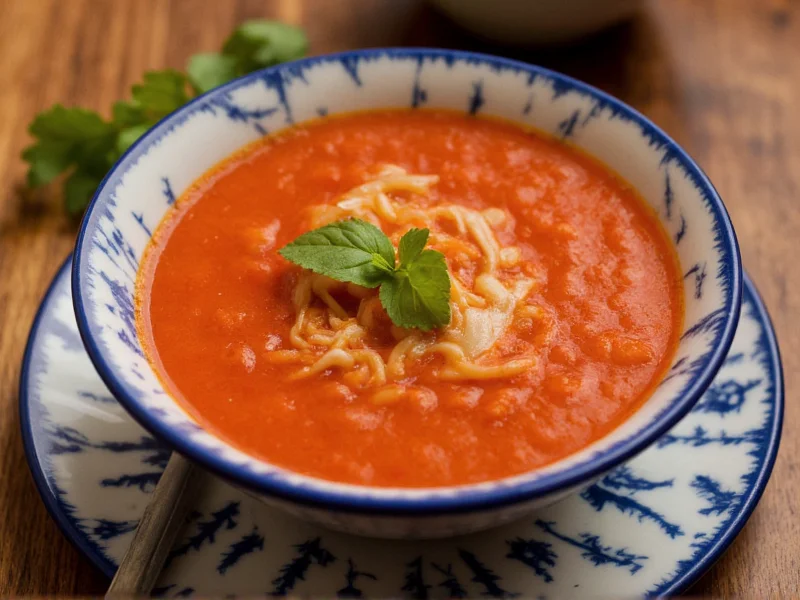
When exploring pacific tomato soup, it's essential to understand what makes this product line stand out in the crowded soup market. Pacific Foods has built its reputation on creating clean-label products that appeal to health-conscious consumers seeking minimally processed food options. Their tomato soup varieties typically feature organic tomatoes, vegetable broth, and natural seasonings without artificial flavors, colors, or preservatives.
What Defines Pacific Tomato Soup
Pacific tomato soup represents a category of premium organic soups that prioritize ingredient transparency and quality. Unlike many conventional tomato soups that contain high levels of sodium, sugar, and artificial ingredients, Pacific's formulations focus on simplicity and recognizable components. The brand offers several tomato soup variations including classic tomato, tomato basil, and fire-roasted tomato, each maintaining the core commitment to organic ingredients.
One of the defining characteristics of organic pacific tomato soup benefits is its certification status. Pacific Foods products carry USDA Organic certification, which means at least 95% of ingredients are organically produced without synthetic pesticides, fertilizers, or GMOs. This certification appeals to consumers concerned about agricultural practices and potential chemical residues in their food.
Key Characteristics of Pacific Tomato Soup
The distinctive qualities of Pacific tomato soup extend beyond its organic status. Understanding pacific foods tomato soup ingredients reveals why many consumers choose this brand over conventional alternatives:
| Characteristic | Description |
|---|---|
| Ingredient Simplicity | Typically contains 6-8 ingredients including organic tomatoes, vegetable broth, olive oil, and natural seasonings |
| Organic Certification | USDA Organic certified with no artificial preservatives or colors |
| Allergen Information | Generally gluten-free, dairy-free, and vegan (verify specific product labels) |
| Nutritional Profile | Lower sodium than many conventional brands (approximately 470mg per serving) |
| Flavor Profile | Bright tomato flavor with subtle herb notes depending on variety |
How Pacific Tomato Soup Differs From Regular Tomato Soup
When comparing difference between pacific and regular tomato soup, several key distinctions emerge. Conventional tomato soups often contain high fructose corn syrup, modified food starch, and artificial flavorings to enhance texture and shelf stability. Pacific Foods opts for simpler formulations that maintain integrity through careful ingredient selection rather than extensive processing.
The texture difference is notable—Pacific tomato soup typically has a more authentic tomato consistency without the overly thickened mouthfeel common in mass-market brands. This makes it particularly suitable for culinary applications where you want the soup to integrate seamlessly into recipes rather than dominate them with artificial textures.
Nutritional Comparison
Understanding pacific tomato soup nutrition facts helps consumers make informed choices. While specific values vary slightly by variety, a standard serving (about 1 cup) generally contains:
| Nutrient | Pacific Organic Tomato Soup | Conventional Tomato Soup (Average) |
|---|---|---|
| Calories | 80-100 | 150-200 |
| Total Fat | 3-4g | 2-3g |
| Sodium | 450-500mg | 700-900mg |
| Total Carbohydrates | 12-14g | 20-25g |
| Sugars | 6-8g (naturally occurring) | 10-15g (often with added sugars) |
| Protein | 2g | 2-3g |
While Pacific tomato soup generally contains slightly more fat (from olive oil), it compensates with significantly less sodium (450-500mg vs. 700-900mg in conventional) and no added sugars. The sugars present are naturally occurring from tomatoes rather than added sweeteners. This lower sodium level aligns with the FDA's dietary guidelines, which recommend limiting sodium intake to less than 2,300 mg per day for adults to support cardiovascular health (FDA Sodium Guidelines).
Evolution of Organic Soup: A Historical Timeline
Understanding the development of Pacific tomato soup within the broader organic food movement provides valuable context for its current market position. The following timeline highlights key milestones in both the brand's journey and the organic soup category:
| Year | Significant Event |
|---|---|
| 1989 | Pacific Foods founded in Tualatin, Oregon, establishing its commitment to plant-based nutrition |
| 2002 | USDA National Organic Program regulations take effect (7 CFR Part 205), creating the legal framework for organic certification |
| 2003 | Pacific introduces its first USDA Organic certified tomato soup, becoming an early innovator in the category |
| 2010 | U.S. organic food sales exceed $26 billion annually, with soups emerging as a rapidly growing segment (USDA ERS) |
| 2018 | Campbell Soup Company acquires Pacific Foods, expanding distribution while maintaining organic standards |
| 2020 | Total U.S. organic food sales reach $56.4 billion, demonstrating sustained consumer demand for products like organic soups (USDA ERS) |
This evolution reflects both Pacific Foods' dedication to organic principles and the broader market shift toward clean-label products. The brand's consistent focus on ingredient transparency has positioned it as a trusted option throughout these industry changes (USDA ERS Organic Market Charts).
Culinary Applications for Pacific Tomato Soup
Exploring how to use pacific tomato soup in recipes reveals its versatility beyond simple bowl consumption. The clean flavor profile makes it an excellent base for numerous culinary creations:
- As a soup base: Heat and serve as is, or enhance with fresh herbs, a drizzle of good olive oil, or a sprinkle of nutritional yeast for added depth
- In sauces: Use as a foundation for pasta sauces, reducing it slightly and adding garlic, onions, and fresh basil
- For braising liquids: Substitute for canned tomatoes in braised meat or vegetable dishes
- In grain dishes: Add to quinoa, rice, or farro while cooking for tomato-infused grains
- As a pizza sauce alternative: Simmer with garlic and oregano for a quick pizza base
Professional chefs often prefer Pacific tomato soup for recipe development because its consistent quality and clean flavor profile provide reliable results without competing flavors from artificial additives.
Contextual Considerations: When to Choose Pacific Tomato Soup
While Pacific tomato soup offers numerous advantages, understanding its optimal use cases and limitations ensures it aligns with specific dietary needs and culinary goals. The following analysis outlines key contextual factors:
| Situation | Recommendation | Rationale |
|---|---|---|
| Strict low-sodium dietary requirements | Use with caution; consider diluting with water or low-sodium broth | Contains 450-500mg sodium per serving, which may exceed restrictions for conditions requiring <1500mg daily (FDA recommends limiting sodium to <2300mg for general population) |
| Budget-conscious meal planning | Best utilized as a flavor base rather than standalone soup | Higher cost per serving than conventional options; stretching with added vegetables or grains maximizes value |
| Culinary applications requiring clean flavor profiles | Highly recommended as sauce or braising liquid base | Absence of artificial additives allows true tomato flavor to complement dishes without competing tastes |
| Complete meal replacement needs | Not suitable without supplementation | Provides only 2g protein per serving; pair with protein sources and fiber-rich vegetables for balanced nutrition |
Recognizing these boundaries helps consumers make informed decisions that align with health goals and dietary requirements (FDA Sodium Guidelines).
Storage and Shelf Life Considerations
Understanding pacific tomato soup shelf life is important for maximizing product value. Unopened cartons typically maintain quality for 12-18 months when stored in a cool, dry place. Once opened, transfer to an airtight container and refrigerate—consumption within 4-5 days is recommended for best quality.
Many consumers wonder is pacific tomato soup gluten free—most varieties are certified gluten-free, but always check the specific product label as formulations can change. The brand maintains rigorous testing protocols to prevent cross-contamination in their dedicated gluten-free production facilities.
Practical Recipe Ideas
For those exploring pacific tomato soup recipe ideas, consider these simple applications that highlight the soup's quality:
- Tomato Soup Risotto: Use Pacific tomato soup instead of broth when making risotto for a vibrant, flavorful dish
- Tomato Soup Gratin: Top heated soup with crusty bread and melted cheese for a sophisticated twist
- Tomato Soup Steamer: Use as a flavorful steaming liquid for fish or vegetables
- Tomato Soup Vinaigrette: Blend with olive oil and vinegar for a unique salad dressing
- Tomato Soup Poaching Liquid: Gently poach chicken or fish in heated soup for infused flavor
These applications demonstrate how best uses for pacific tomato soup extend far beyond traditional soup consumption, making it a valuable pantry staple for home cooks seeking quality ingredients.




 浙公网安备
33010002000092号
浙公网安备
33010002000092号 浙B2-20120091-4