
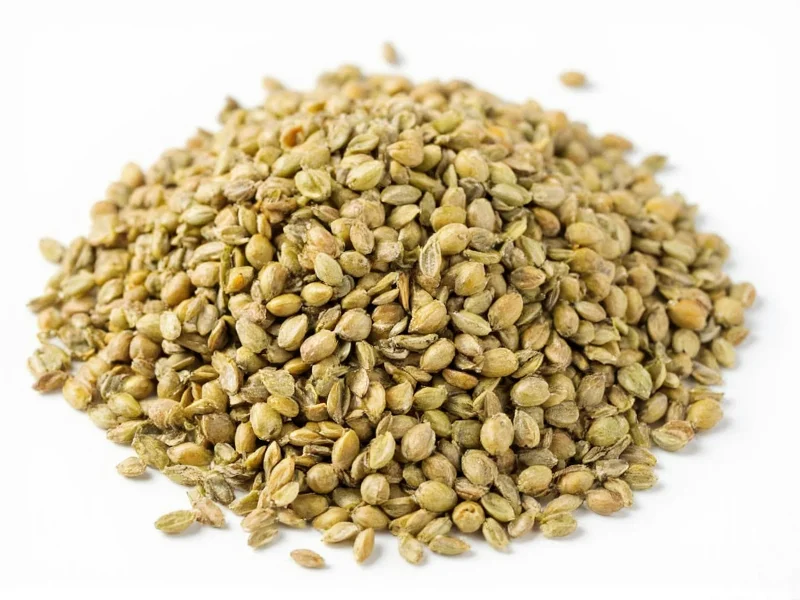
Caraway, known scientifically as Carum carvi, has been prized in European and Middle Eastern cuisines for centuries. Understanding its unique flavor profile helps home cooks and professional chefs alike harness its full potential in diverse culinary applications. Unlike many spices that serve a single purpose, caraway offers remarkable versatility while maintaining its distinctive character.
The Science Behind Caraway Flavor
Caraway seeds contain approximately 3-7% essential oil, with d-carvone comprising 50-70% of this oil—the compound primarily responsible for caraway's signature taste. This differs significantly from cumin (which contains cuminaldehyde) and fennel (which contains anethole), explaining why caraway has a more balanced profile without overwhelming any single note. When heated, caraway releases additional aromatic compounds including limonene and carvacrol, enhancing its complexity.
Proper storage maintains caraway's flavor integrity. Whole seeds retain their potency for up to three years when stored in airtight containers away from light and heat, while ground caraway loses its volatile compounds more quickly, diminishing in flavor within six months.
Caraway Flavor Profile Breakdown
| Flavor Dimension | Description | Intensity (1-5) |
|---|---|---|
| Primary Taste | Earthy, warm, slightly sweet | 4 |
| Aromatic Notes | Citrus peel, subtle anise, peppery finish | 3 |
| Aftertaste | Clean, slightly cooling | 2 |
| Heat Level | None (non-pungent) | 0 |
Culinary Applications of Caraway Flavor
Caraway's flavor profile makes it indispensable in specific culinary traditions while offering surprising versatility in modern cooking. In Central and Eastern European cuisines, caraway appears in classic dishes like German sauerkraut, Hungarian goulash, and Polish bigos. The spice's ability to cut through rich, fatty ingredients makes it ideal for pork dishes and hearty stews.
When exploring how to use caraway in cooking, consider these professional techniques:
- Dry toasting: Heat whole seeds in a dry skillet for 1-2 minutes until fragrant, enhancing their nutty characteristics without bitterness
- Layered seasoning: Add caraway at multiple cooking stages—early for infused flavor, late for brighter notes
- Complementary pairings: Combine with juniper berries for game meats, apples for pork, or dill for potato dishes
Caraway vs Similar Spices
Understanding the caraway vs cumin flavor distinction prevents common substitution errors. While both belong to the Apiaceae family, cumin delivers a hotter, more pungent earthiness with smoky notes, whereas caraway offers a cooler, sweeter profile with citrus undertones. Fennel seeds share caraway's anise-like quality but with significantly stronger licorice notes and less earthiness.
For those wondering what does caraway flavor taste like compared to alternatives, consider this practical comparison:
- Cumin: More aggressive, warmer, with distinct smokiness—use 50% less if substituting for caraway
- Fennel: Sweeter, more pronounced anise—better substitute when licorice notes are acceptable
- Dill seed: Milder, grassier—works in Scandinavian dishes where caraway traditionally appears
Maximizing Caraway Flavor in Recipes
The caraway seed flavor profile responds exceptionally well to specific preparation methods. Whole seeds maintain integrity when added early in cooking processes, gradually releasing flavor into braises and stews. For immediate impact with brighter notes, add crushed seeds during the final 10 minutes of cooking.
When baking, particularly in rye breads where caraway is traditional, incorporate seeds at the dough stage for even distribution. The Maillard reaction during baking creates new flavor compounds that complement caraway's natural profile, producing that characteristic earthy flavor of caraway seeds in finished breads.
Effective Caraway Substitutes
When you need a caraway substitute in recipes, consider both the dish type and which aspect of caraway's profile matters most. For savory applications where earthiness dominates, a 50-50 blend of cumin and fennel seeds works surprisingly well. In baking applications where sweetness matters more, anise seeds with a pinch of coriander better approximates the flavor balance.
Important limitation: No substitute perfectly replicates caraway's unique combination of earthiness and subtle citrus. Dishes traditionally featuring caraway (like authentic German rye bread or Hungarian goulash) will lack authenticity without the genuine spice. For best results in traditional recipes, seek out caraway rather than substituting.
Traditional Pairings and Modern Innovations
Understanding caraway spice pairing suggestions opens creative culinary possibilities. Traditional caraway in traditional European cuisine includes classic combinations like:
- Cabbage and sauerkraut (caraway cuts through fermentation tanginess)
- Rye bread (complements the grain's natural sourness)
- Potato salads (adds depth to otherwise mild flavors)
- Apple-based dishes (balances sweetness with earthiness)
Modern chefs are exploring roasted caraway flavor notes in unexpected applications—infusing it into chocolate desserts for complexity, blending with citrus in vinaigrettes, or using in spice rubs for roasted root vegetables. The key to successful innovation lies in respecting caraway's fundamental flavor characteristics while experimenting with new contexts.
Frequently Asked Questions
What does caraway taste like compared to cumin?
Caraway has a cooler, sweeter, more complex profile with citrus notes compared to cumin's hotter, smokier earthiness. While both are earthy, caraway lacks cumin's pungency and delivers subtle anise undertones without overwhelming licorice flavor.
Can I substitute fennel for caraway in recipes?
Fennel can work as a partial substitute when caraway's anise-like quality is the primary needed characteristic, but use 25% less as fennel has stronger licorice notes. For dishes where earthiness matters more (like rye bread), the substitution will noticeably alter the final flavor profile.
Why does caraway work so well with cabbage and sauerkraut?
Caraway's essential oils contain compounds that counteract the sulfur compounds in cabbage, reducing unpleasant odors during cooking. Its earthy-sweet profile also balances the natural bitterness of cruciferous vegetables and complements the tanginess of fermented sauerkraut.
Does toasting caraway seeds change their flavor?
Yes, toasting caraway seeds for 1-2 minutes in a dry skillet significantly enhances their nutty, warm characteristics while mellowing any harsh edges. The Maillard reaction creates new flavor compounds, making the spice more aromatic and complex without becoming bitter when done properly.
How should I store caraway to maintain its flavor?
Store whole caraway seeds in an airtight container away from light and heat. Properly stored, they retain optimal flavor for 2-3 years. Ground caraway loses potency much faster—within 6 months—so always grind seeds as needed for maximum flavor impact in your dishes.




 浙公网安备
33010002000092号
浙公网安备
33010002000092号 浙B2-20120091-4