
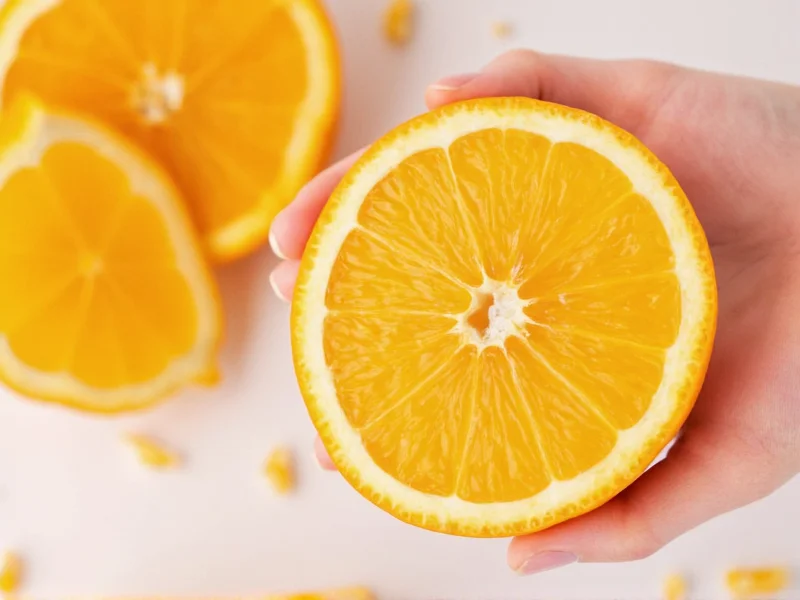
When you're in the middle of baking and realize you're out of orange extract, knowing reliable alternatives can save your recipe. Orange extract provides concentrated citrus flavor without added liquid, making it popular in baked goods, frostings, and desserts. Understanding proper substitutions ensures your culinary creations maintain the intended flavor profile without compromising texture.
Understanding Orange Extract and Its Role in Recipes
Orange extract is a concentrated flavoring made by steeping orange peels in alcohol, which extracts the essential oils. Unlike orange zest, which contains natural oils but also moisture, extract delivers pure flavor without altering recipe liquid ratios. This makes it particularly valuable in baking where precise moisture content affects texture. Most commercial orange extracts use triple sec or similar neutral spirits as the base, resulting in a clean, bright citrus flavor that enhances rather than overwhelms other ingredients.
Top Substitutes for Orange Extract
Orange Zest: The Most Accessible Alternative
Fresh orange zest serves as the most readily available substitute for orange extract. The colored portion of the peel contains natural citrus oils that provide similar flavor compounds. For every teaspoon of orange extract required, use 2 teaspoons of finely grated orange zest. This substitution works particularly well in cake batters, cookie doughs, and muffin mixes where the zest can distribute evenly. When using zest as a substitute for orange extract in baking, choose organic oranges to avoid pesticide residues, and always remove only the colored portion without the bitter white pith.
Orange Juice Concentrate: Intense Flavor Without Alcohol
Frozen orange juice concentrate offers a potent non-alcoholic alternative. Thawed concentrate provides concentrated citrus flavor with minimal added liquid. Use 2 tablespoons of concentrate for every teaspoon of orange extract. This substitute works best in recipes with other liquid ingredients that can accommodate the small moisture increase, such as glazes, syrups, and certain cake batters. When substituting orange juice concentrate for orange extract, reduce other liquids in the recipe by 1 tablespoon per substitution to maintain proper consistency.
Orange Liqueur: Complex Flavor Enhancement
For recipes that can accommodate alcohol, orange liqueurs like Cointreau, Grand Marnier, or Triple Sec provide excellent flavor complexity. Use 1 tablespoon of liqueur for every teaspoon of orange extract, while reducing other liquids in the recipe by 1 teaspoon. This substitution works particularly well in adult desserts, glazes, and certain cookie recipes where the alcohol can cook off during baking. When using orange liqueur as a substitute for orange extract in recipes, remember that darker liqueurs may slightly alter the final color of your baked goods.
Lemon Extract and Orange Zest Combination
When orange ingredients are unavailable, a blend of lemon extract and orange zest creates a surprisingly effective substitute. Combine 1/2 teaspoon lemon extract with 1 teaspoon orange zest to replace 1 teaspoon of orange extract. This combination works well in recipes where a bright citrus note is needed but the specific orange flavor isn't critical, such as in certain pound cakes or citrus-flavored cookies. This alternative for orange extract maintains the necessary oil-based flavor delivery while approximating the orange profile.
| Substitute | Ratio (vs 1 tsp extract) | Best For | Liquid Adjustment |
|---|---|---|---|
| Fresh orange zest | 2 tsp | Cakes, cookies, muffins | None needed |
| Orange juice concentrate | 2 tbsp | Glazes, syrups, moist batters | Reduce other liquids by 1 tbsp |
| Orange liqueur | 1 tbsp | Adult desserts, glazes | Reduce other liquids by 1 tsp |
| Lemon extract + orange zest | 1/2 tsp + 1 tsp | General baking, when orange unavailable | None needed |
| Homemade orange extract | 1:1 | All applications | None needed |
Recipe-Specific Substitution Guidance
For Baked Goods and Cakes
When substituting for orange extract in baking delicate cakes or pastries, orange zest provides the most reliable results without altering texture. The natural oils in zest distribute evenly through batter while maintaining proper moisture balance. For sponge cakes or angel food cakes where texture is critical, reduce other liquids by 1 teaspoon when using juice-based substitutes. When making substitutions for orange extract in baking recipes with delicate crumb structures, avoid liquid-based alternatives that could make the batter too wet.
For Frostings and Icings
Citrus-flavored frostings benefit from the concentrated flavor of orange liqueur as a substitute for orange extract. The alcohol helps cut through sweetness while providing intense flavor. Use 1 tablespoon of liqueur for every teaspoon of extract, and reduce milk or cream by 1 teaspoon. For non-alcoholic options, orange juice concentrate works well when combined with a small amount of corn syrup to maintain proper consistency. When substituting orange extract in buttercream recipes, add zest directly to the butter before creaming for optimal flavor distribution.
For Savory Applications
Orange extract occasionally appears in savory sauces and marinades for its bright acidity. In these applications, fresh orange juice provides better balance than sweetened alternatives. Use 1 tablespoon of fresh juice for every 1/4 teaspoon of extract, as savory dishes typically require more subtle citrus notes. When substituting for orange extract in savory recipes, consider adding a pinch of sugar to balance the increased acidity from using juice instead of extract.
Making Your Own Orange Extract
Creating homemade orange extract serves as the ideal long-term solution when commercial extract runs out. This simple process requires only two ingredients and about four weeks for optimal flavor development. Fill a clean glass jar with 1 cup of vodka or neutral grain alcohol and 4-5 strips of organic orange zest (avoiding white pith). Store in a cool, dark place, shaking gently once daily. After 4 weeks, strain the liquid into a clean bottle. This homemade orange extract substitute provides fresher, more vibrant flavor than commercial versions and can be made in small batches as needed. When making your own orange extract alternative, use high-proof alcohol (at least 80 proof) for best extraction of citrus oils.
Common Substitution Mistakes to Avoid
Many home bakers make critical errors when replacing orange extract that compromise their recipes. Using bottled orange juice as a direct substitute often introduces too much liquid and alters texture. When substituting orange juice for orange extract, reduce other liquids by 2 tablespoons per 1/4 cup of juice used. Another common mistake involves using dried orange peel, which lacks sufficient oil content and requires rehydration before use. For non-alcoholic substitute for orange extract in recipes requiring intense flavor, consider reducing orange juice by half to concentrate the flavor before adding to your recipe. Always remember that orange extract delivers pure flavor without moisture, so any liquid substitute requires corresponding adjustments elsewhere in the recipe.
Storing and Maximizing Substitutes
Proper storage extends the effectiveness of your orange extract alternatives. Freeze excess orange zest in ice cube trays with a small amount of water or oil for future baking needs. When using orange juice concentrate as a substitute for orange extract, store unused portions in airtight containers in the freezer for up to 3 months. For homemade orange extract, keep it in a dark glass bottle away from heat sources to preserve flavor compounds. Understanding how to store orange extract substitutes properly ensures consistent flavor in future baking projects. Most citrus-based substitutes maintain optimal flavor for 6-8 weeks when stored correctly, though zest frozen in oil can last up to 6 months.




 浙公网安备
33010002000092号
浙公网安备
33010002000092号 浙B2-20120091-4