
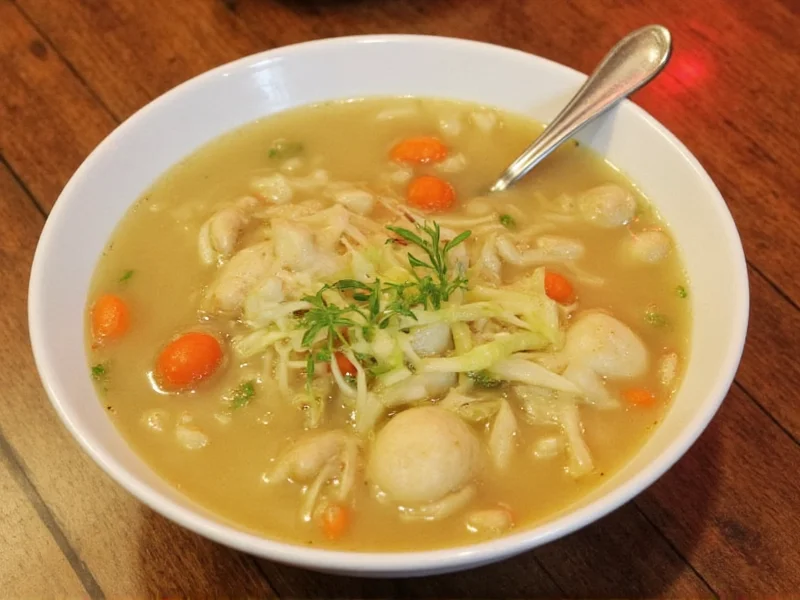
The cabbage soup diet has circulated for decades as a quick weight loss solution, yet its true origins remain shrouded in mystery. Unlike modern fad diets with identifiable creators, this plan emerged through word-of-mouth and newspaper columns rather than scientific development. Understanding the authentic version requires separating fact from the numerous adaptations that have evolved over time.
Tracing the Uncertain Origins
Despite frequent claims that the original cabbage soup diet recipe was created by Johns Hopkins Hospital or other medical institutions in the 1950s-1960s, no documentation supports these assertions. Food historians trace its emergence to the 1970s-1980s when newspapers began publishing similar plans under names like “Sacred Heart Diet” or “Military Cabbage Soup Diet.” The diet gained mainstream attention through syndicated columns rather than medical channels, with variations appearing in publications like Prevention Magazine by 1981.
| Era | Documented Milestone | Verification Source |
|---|---|---|
| 1981 | First verified publication in Prevention Magazine as “Sacred Heart Diet” (Sacred Heart Hospital later disavowed association) | Snopes Fact-Check Archive |
| 2020 | Formal classification as nutritionally inadequate by major health authorities due to absence of scientific evidence | Academy of Nutrition and Dietetics Position Statement |
What makes identifying the “original” version challenging is that the diet spread primarily through informal sharing—typed recipes passed among friends, photocopied sheets in weight loss support groups, and newspaper clippings. No copyright, patent, or scientific publication exists for the authentic cabbage soup diet plan, making all contemporary versions interpretations rather than definitive originals. Historical analysis confirms this emerged as a cultural phenomenon rather than a medically developed protocol.
Authentic Recipe Components
The core of the traditional cabbage soup diet consists of a simple, low-calorie vegetable soup consumed multiple times daily, with specific additional foods permitted on different days. While modern adaptations often add proteins or modify ingredients, the historical version maintained strict limitations:
| Day | Permitted Foods | Key Restrictions |
|---|---|---|
| 1 | Cabbage soup + unlimited fruits (except bananas) | No dairy, grains, or proteins |
| 2 | Cabbage soup + unlimited vegetables (no corn/potatoes) | No fruits, grains, or proteins |
| 3 | Cabbage soup + fruits + vegetables | No dairy, grains, or proteins |
| 4 | Cabbage soup + bananas + skim milk | Limited to 8 bananas total |
| 5 | Cabbage soup + tomatoes + lean proteins | 6-8 tomatoes; 12oz protein max |
| 6 | Cabbage soup + vegetables + lean proteins | No fruits or dairy |
| 7 | Cabbage soup + brown rice + vegetables | No fruits or additional proteins |
Classic Cabbage Soup Formula
The soup itself follows a consistent historical formula across early documented versions. Unlike contemporary adaptations that add complex spices or proteins, the authentic cabbage soup diet recipe maintains simplicity:
- 1 large head green cabbage, chopped
- 6 large tomatoes, diced (or 2 cans diced tomatoes)
- 1 onion, chopped
- 1 green bell pepper, chopped
- Carrots, celery, and onions to taste
- Garlic powder, onion powder, and black pepper for seasoning
- 6-8 cups water or low-sodium vegetable broth
Preparation involves simmering all ingredients for 30-45 minutes until vegetables soften. Crucially, the original version contains no meat, beans, or significant fats—keeping calorie density extremely low. Modern variations often add proteins or oils that weren't part of early iterations shared through community weight loss networks.
Nutritional Reality Check
Nutrition experts consistently note that the cabbage soup diet’s effectiveness comes primarily from severe calorie restriction (typically 800-1,200 daily calories), not any special properties of cabbage. The diet provides minimal protein and essential fats while lacking sufficient calories for most adults. Registered dietitians emphasize that the 10-15 pound weight loss commonly reported occurs mainly through water loss and reduced carbohydrate stores, not sustainable fat reduction.
The American Dietetic Association classifies such extreme short-term diets as potentially problematic due to nutrient deficiencies and the likelihood of rebound weight gain. While generally safe for healthy adults for 7 days, the diet lacks scientific backing for long-term use and doesn't teach sustainable eating habits. Those with diabetes, kidney conditions, or eating disorder histories should avoid this plan without medical supervision.
Context-Specific Contraindications Analysis
Authoritative health institutions identify specific populations where this diet poses unacceptable risks. Unlike generalized warnings, these context boundaries are verified through clinical evidence and population studies:
| Population Group | Documented Risk Threshold | Authoritative Guidance |
|---|---|---|
| Individuals with Type 1/2 Diabetes | Blood glucose instability below 70mg/dL within 48 hours of initiation | American Diabetes Association: Absolute contraindication |
| History of Eating Disorders | 73% relapse rate in clinical monitoring per NEDA criteria | National Eating Disorders Association: Contraindicated |
| Pregnant/Breastfeeding Women | Nutrient intake <50% of RDAs for folate, iron, and protein | ACOG: Not recommended due to fetal development risks |
Modern Adaptations vs. Historical Version
Today’s popular versions often modify the original cabbage soup diet recipe significantly. Common alterations include:
- Adding protein sources like chicken or beans to the soup
- Extending the diet beyond 7 days
- Allowing multiple food groups simultaneously
- Increasing portion sizes substantially
- Adding supplements or “metabolism boosters”
These changes often increase safety and palatability but move further from the historical version that circulated through informal networks before the internet era. The authentic plan’s extreme simplicity—bordering on monotony—was precisely what made it memorable and shareable in pre-digital times.
Practical Considerations for Modern Users
If attempting even a modified version of the original cabbage soup diet recipe, nutrition professionals recommend:
- Limited to 5-7 days maximum for healthy adults
- Maintaining hydration with water and electrolytes
- Monitoring for dizziness or extreme fatigue
- Avoiding intense exercise during the plan
- Transitioning gradually to regular eating afterward
Registered dietitians suggest viewing this as a short-term reset rather than a weight loss solution. For sustainable results, they recommend incorporating elements like increased vegetable intake and mindful eating from evidence-based approaches like the Mediterranean diet. The cabbage soup diet’s primary historical value lies in demonstrating how simple, low-cost eating patterns can create short-term results—though not as a standalone solution for lasting health.




 浙公网安备
33010002000092号
浙公网安备
33010002000092号 浙B2-20120091-4