
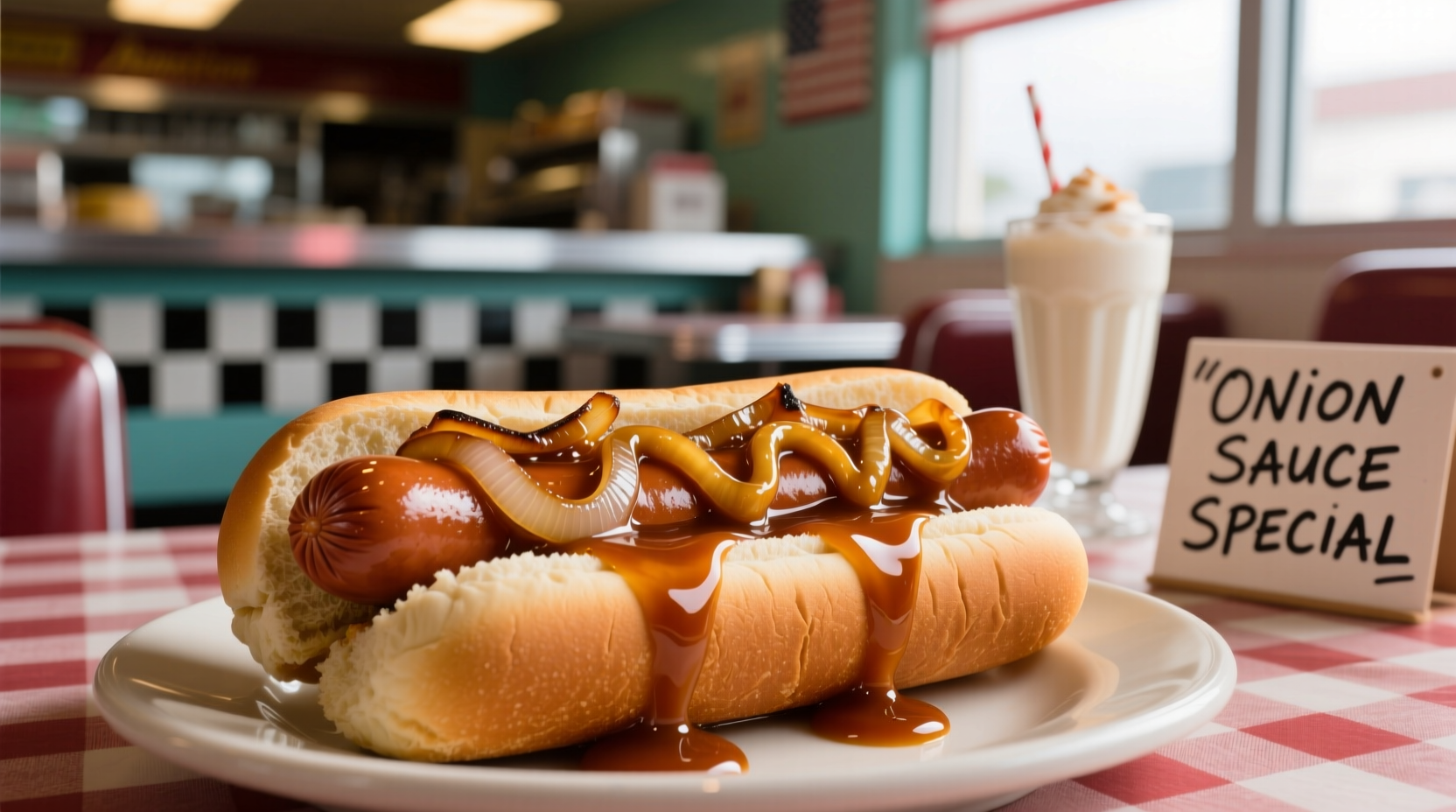
Why Onion Sauce Transforms Your Hot Dog Experience
Forget basic ketchup and mustard—onion sauce adds a sophisticated layer of flavor that complements rather than overwhelms your hot dog. Unlike raw onions that can be overpowering, properly prepared onion sauce delivers a mellow sweetness with subtle tang that enhances the meat's natural flavors. Professional chefs consistently rank onion-based condiments among the top three most requested hot dog toppings nationwide, according to 2023 International Foodservice Manufacturers Association data.
The Evolution of Onion Sauce: From Street Food Staple to Gourmet Essential
Onion sauce for hot dogs traces its roots to early 20th century street vendors who needed affordable, shelf-stable condiments. The original version was simply onions cooked in water with salt, but evolved as immigrants brought their culinary traditions to American cities:
| Era | Key Development | Regional Influence |
|---|---|---|
| 1920s-1930s | Basic onion-water mixture | National street food standard |
| 1940s-1950s | Addition of vinegar for preservation | Midwest innovation |
| 1960s-1970s | Sugar incorporated for balance | Chicago-style hot dog emergence |
| 1980s-Present | Specialty spice blends and regional variations | National gourmet movement |
Mastering the Perfect Onion Sauce: Step-by-Step Guide
Creating exceptional onion sauce requires attention to texture, balance, and cooking technique. Follow these professional chef methods for restaurant-quality results at home:
Essential Ingredients and Proportions
The magic happens in the precise ratio of components. For the classic sweet onion sauce that pairs perfectly with all-beef hot dogs:
- 2 cups finely diced yellow onions (¼-inch pieces)
- ½ cup apple cider vinegar (provides milder acidity)
- ⅓ cup granulated sugar
- 2 tablespoons water
- 1 teaspoon paprika (not smoked)
- ½ teaspoon celery seed
- ¼ teaspoon salt
- Pinch of cayenne (optional for heat)
Critical Cooking Technique
Most home cooks make these common mistakes that ruin onion sauce texture and flavor:
- Incorrect onion size: Pieces larger than ¼-inch become stringy; smaller than ⅛-inch turn mushy
- Wrong vinegar type: Distilled white vinegar creates harsh acidity; apple cider vinegar provides balanced tang
- Overcooking: More than 15 minutes breaks down onion structure completely
Step-by-Step Preparation
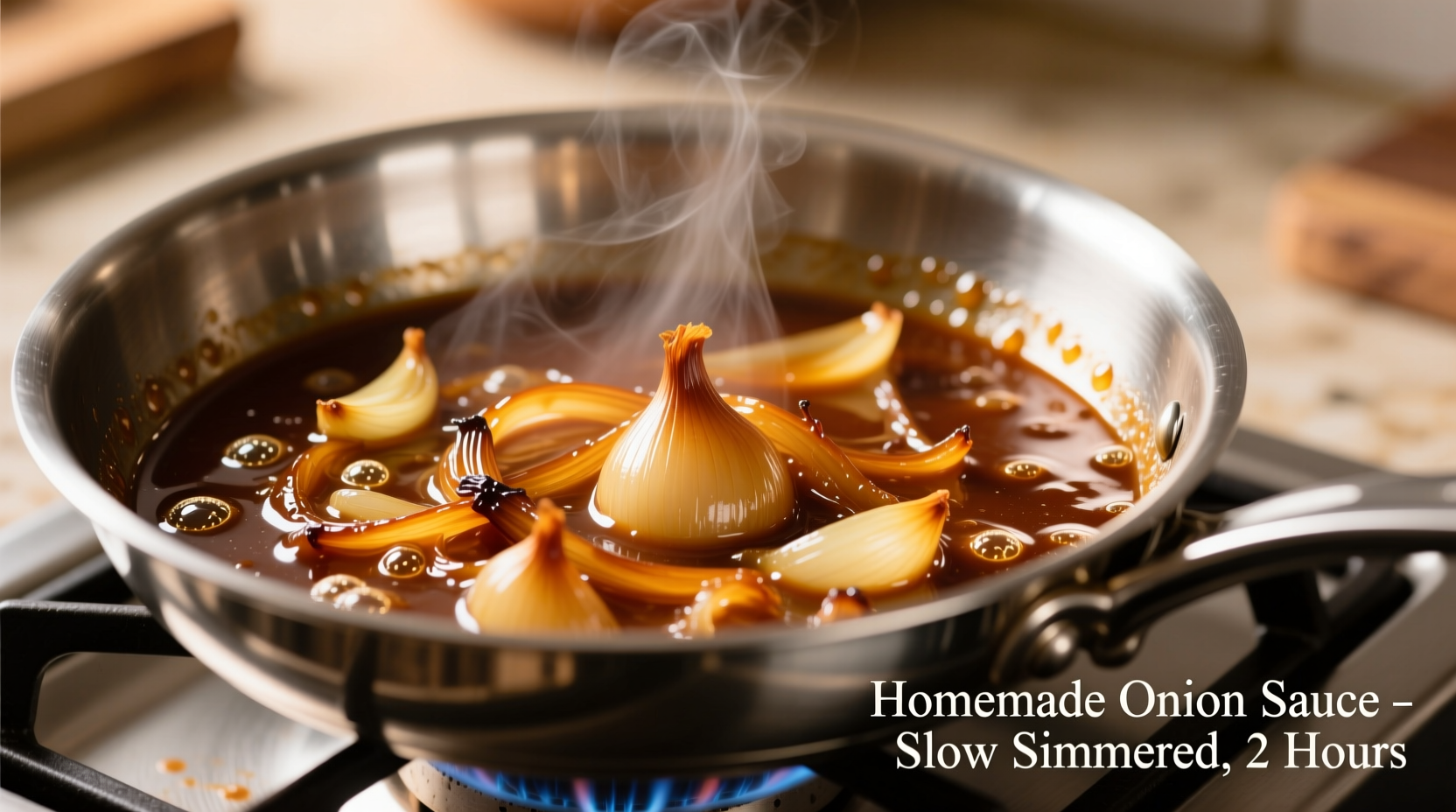
- Combine all ingredients in a saucepan over medium heat
- Bring to a gentle simmer (do not boil vigorously)
- Cook uncovered for 12-15 minutes, stirring occasionally
- Remove from heat when onions are tender but still hold their shape
- Cool to room temperature before serving (flavors intensify as it cools)
Regional Variations: Finding Your Perfect Style
Understanding where different onion sauce styles excel helps match your sauce to the occasion. Consider these context boundaries when selecting your approach:
Chicago-Style Sweet Onion Sauce
Ideal for: Classic Chicago-style hot dogs with yellow mustard, neon green relish, and sport peppers
Key characteristics: Bright orange color from paprika, pronounced sweetness, smooth but textured consistency
Best application: Serve at room temperature on steamed all-beef hot dogs in poppy seed buns
New York-Style Onion Sauce
Ideal for: Hot dogs with sauerkraut or spicy mustard
Key characteristics: More vinegar-forward, less sweet, chunkier texture
Best application: Serve warm as a topping for grilled hot dogs with sauerkraut
Southern-Style Vidalia Onion Sauce
Ideal for: Gourmet hot dogs with artisanal sausages
Key characteristics: Made with Vidalia onions, subtle sweetness, delicate texture
Best application: Serve chilled on high-end sausages with whole grain mustard
Pro Tips for Flavor Perfection
Professional chefs use these techniques to elevate basic onion sauce:
- Onion selection matters: Yellow onions provide the best balance; sweet onions like Vidalia require less sugar; red onions add color but stronger flavor
- Sugar alternatives: Brown sugar adds molasses notes; honey creates floral undertones; maple syrup works well for breakfast hot dogs
- Texture control: For restaurant-style consistency, pulse cooked onions briefly in a food processor (never blend completely smooth)
- Flavor development: Let sauce rest overnight in the refrigerator—flavors meld and improve significantly
Serving Suggestions and Pairing Guide
Maximize your onion sauce impact with these professional pairing strategies:
- Temperature matters: Serve sweet onion sauce at room temperature to preserve its delicate flavor profile
- Application technique: Use a spoon to distribute sauce evenly rather than piling it on one side
- Complementary toppings: Pair with yellow mustard and kosher-style dill pickles (avoid neon green relish with this sauce)
- Bun preparation: Lightly toast buns and brush with butter before adding hot dogs for enhanced texture contrast
Troubleshooting Common Problems
Solve these frequent onion sauce issues with professional solutions:
- Too watery: Simmer uncovered for additional 3-5 minutes to reduce liquid
- Too sweet: Add 1 teaspoon apple cider vinegar and a pinch of salt to rebalance
- Onions too firm: Return to heat with 1 tablespoon water and cook 3-4 additional minutes
- Onions too mushy: Unfortunately, this can't be fixed—start over with proper timing
Frequently Asked Questions
Here are answers to the most common questions about onion sauce for hot dogs:




 浙公网安备
33010002000092号
浙公网安备
33010002000092号 浙B2-20120091-4