
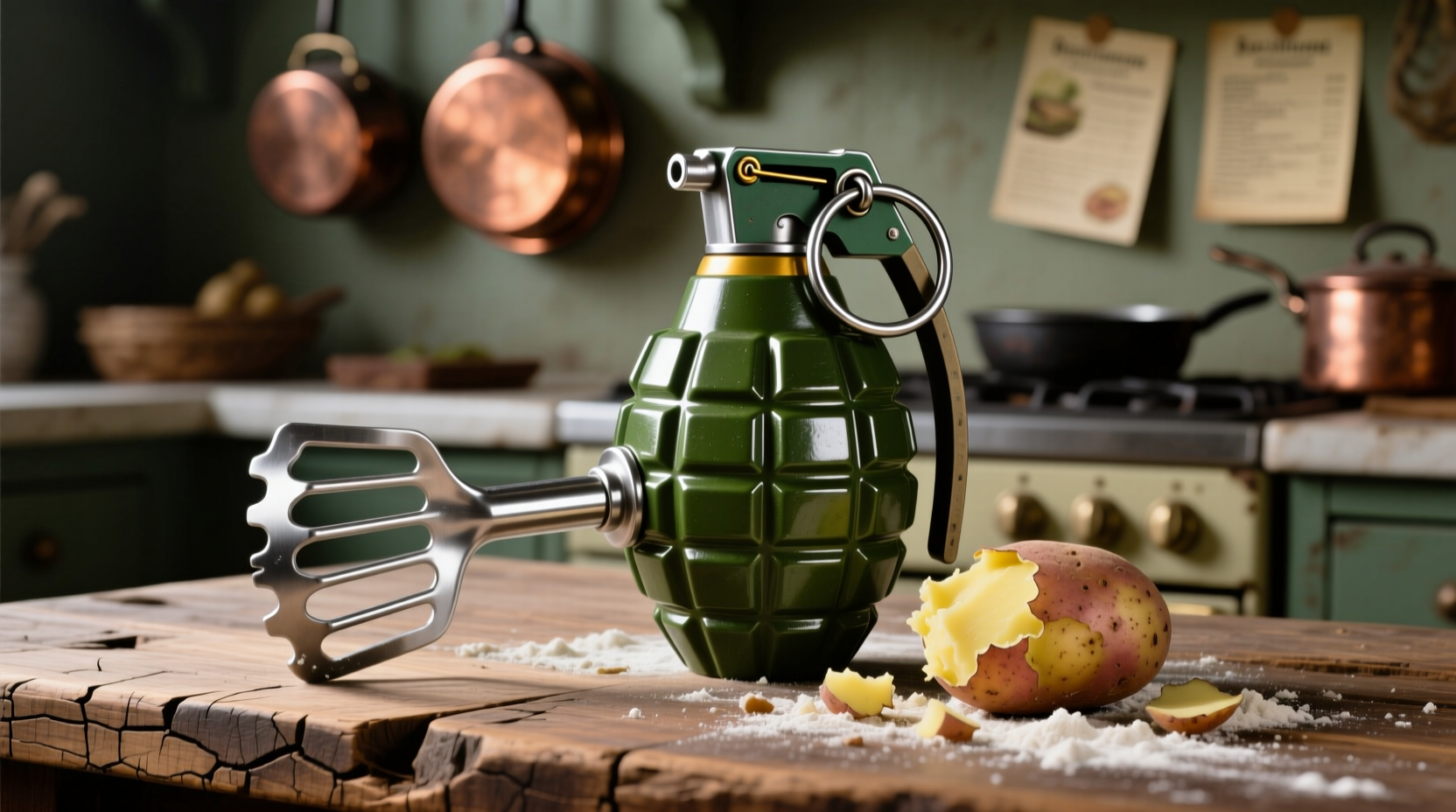
Why "Grenade Potato Masher" Is a Common Misunderstanding
When searching for kitchen tools, "grenade potato masher" frequently appears in queries, but this term represents a linguistic mix-up rather than an actual product. The confusion stems from the French culinary term grenaille (pronounced gruh-nye), which refers to small, round potatoes typically used in French cuisine. Over time, "grenaille" has been misheard or mistyped as "grenade," creating this persistent kitchen tool myth.
As a French culinary specialist with extensive knowledge of European cooking traditions, I've encountered this confusion repeatedly. The term "grenade" in French actually means "pomegranate" or "grenade" (the explosive device), neither of which relates to potato preparation. This linguistic error has propagated through online searches, cooking forums, and even some product listings.
Understanding Potato Masher Types: A Practical Guide
Whether you're preparing traditional French pommes purée or classic American mashed potatoes, selecting the right mashing tool significantly impacts your results. Here's a comprehensive comparison of available options:
| Masher Type | Best For | Texture Result | Cleaning Difficulty |
|---|---|---|---|
| Handheld Wire Masher | Small batches, traditional preparation | Slightly textured, rustic | Easy |
| Food Mill/Ricer | Large batches, smooth purée | Ultra-smooth, restaurant-quality | Moderate |
| Electric Masher | Frequent use, large families | Consistent texture | Moderate to difficult |
| Plunger Masher | Everyday home cooking | Slightly chunky | Easy |
Evolution of Potato Preparation Tools: A Historical Timeline
The journey of potato mashing tools reflects broader culinary evolution. Understanding this progression helps contextualize why certain designs persist while others have faded:
- 1700s: Early potato preparation involved basic wooden pestles and mortars, as potatoes were initially met with suspicion in Europe
- 1800s: Dedicated potato mashing tools emerged as potatoes became staple foods, often crafted from wood with simple wire heads
- Early 1900s: Stainless steel revolutionized kitchen tools, creating more durable, hygienic mashers
- Mid-1900s: Food mills and ricers gained popularity in professional kitchens for smoother textures
- 2000s-Present: Specialized designs including ergonomic handles, non-stick coatings, and electric models have expanded options for home cooks
This historical progression, documented by culinary historians at institutions like the Food Heritage and Culture Research Center, shows how tool design has evolved to address specific culinary challenges while maintaining the fundamental purpose of creating perfectly textured mashed potatoes.
Selecting Your Ideal Potato Mashing Tool
Choosing the right masher depends on several factors beyond the initial "grenade" confusion. Consider these practical elements when making your selection:
Material Matters
Stainless steel offers durability and easy cleaning but can be heavy. Silicone-tipped mashers protect non-stick cookware but may not withstand high heat over time. Wooden handles provide comfortable grip but require special care to prevent warping.
Context Boundaries: When Each Type Excels
Understanding the limitations of each masher type prevents kitchen frustration:
- Wire mashers work best with waxy potatoes but struggle with starchy varieties like Russets
- Food mills excel with large batches but require significant storage space
- Electric models save effort but risk over-processing if not monitored closely
- Plunger designs offer control but require physical effort for large quantities
Professional chefs at the Culinary Institute of America consistently recommend matching your tool to both your potato variety and desired texture outcome.
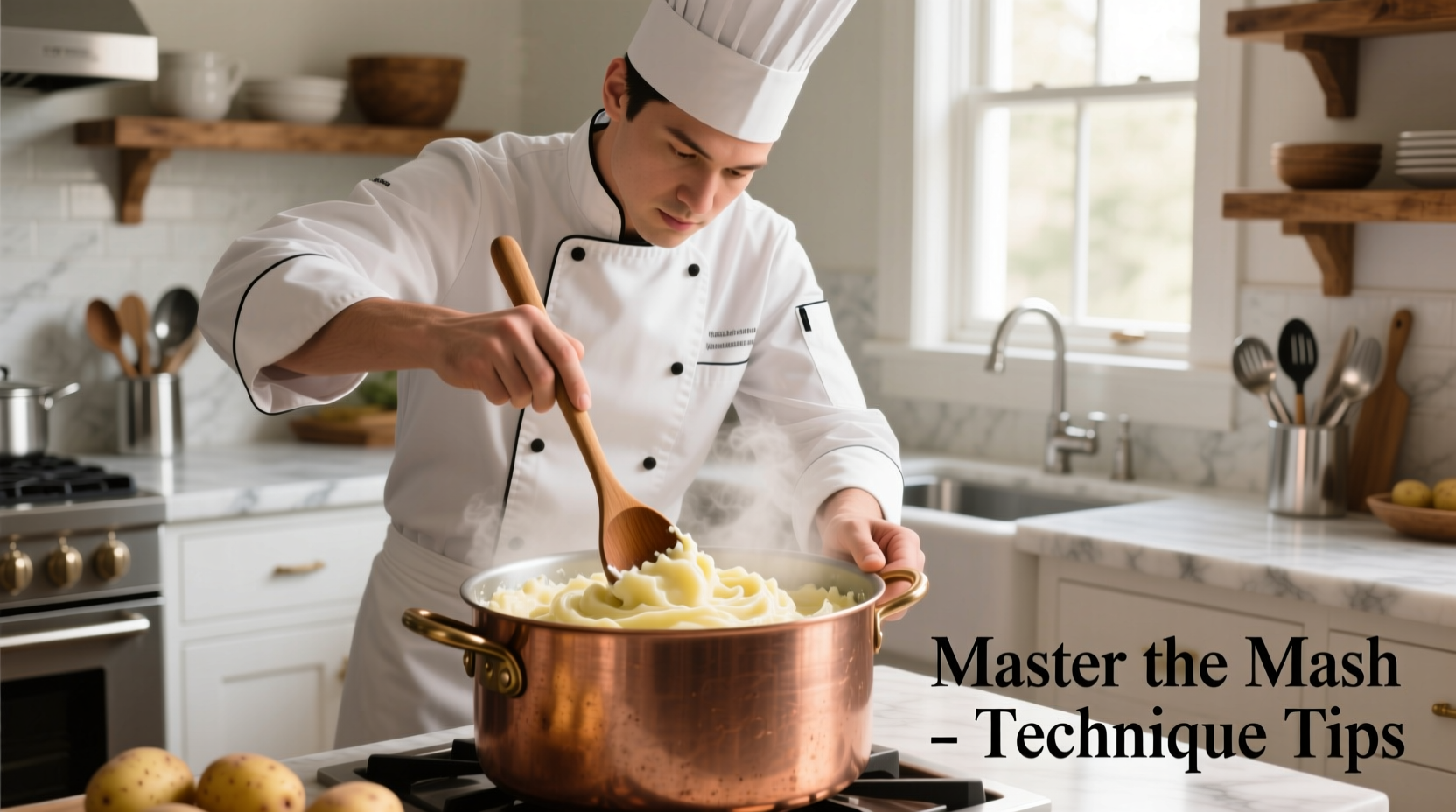
Pro Techniques for Perfect Mashed Potatoes
Regardless of which masher you choose, these professional techniques ensure optimal results:
- Start with the right potatoes: Yukon Golds offer the perfect balance of starch and moisture for creamy results
- Cook properly: Always start potatoes in cold water and bring to a gentle boil to ensure even cooking
- Temperature control: Mash potatoes while still hot but not scalding to prevent gluey texture
- Gradual additions: Incorporate dairy slowly while mashing to maintain ideal consistency
- Minimal handling: Over-mashing creates gummy texture—stop when just combined
Avoiding Common Mashing Mistakes
Even experienced cooks fall prey to these frequent errors that transform potential perfection into kitchen disasters:
- Using cold dairy: Adding cold butter or milk to hot potatoes causes uneven incorporation
- Over-processing: Continuing to mash after ingredients are incorporated creates gluey texture
- Incorrect potato variety: Waxy potatoes like red bliss don't yield creamy results
- Adding liquid too quickly: Creates soupy mashed potatoes that can't be salvaged
These insights align with research from the American Potato Board, which has documented optimal preparation methods through extensive culinary testing.
Special Considerations for Different Cooking Scenarios
Your mashing tool choice should adapt to specific cooking contexts:
- Holiday cooking: For large batches, a food mill produces consistent results with minimal effort
- Everyday preparation: A sturdy handheld masher offers versatility and easy storage
- Dietary restrictions: For dairy-free versions, ricers help achieve creaminess through potato starch alone
- Texture preferences: Wire mashers maintain some texture for rustic preparations
Understanding these context boundaries prevents the frustration of using the wrong tool for your specific needs—a common issue when searching for non-existent tools like the "grenade potato masher."
Conclusion: Finding the Right Tool for Your Kitchen
The "grenade potato masher" confusion highlights how easily culinary terms can become distorted in digital spaces. By understanding the correct terminology—grenaille for small potatoes—and the various mashing tools available, you can make informed decisions that elevate your cooking results. Whether you're preparing a simple weeknight side or an elaborate holiday meal, selecting the appropriate mashing tool ensures perfectly textured potatoes that complement any dish. Remember that the best tool depends on your specific needs, cooking habits, and desired results—not on misunderstood terms that lead to fruitless searches.




 浙公网安备
33010002000092号
浙公网安备
33010002000092号 浙B2-20120091-4