
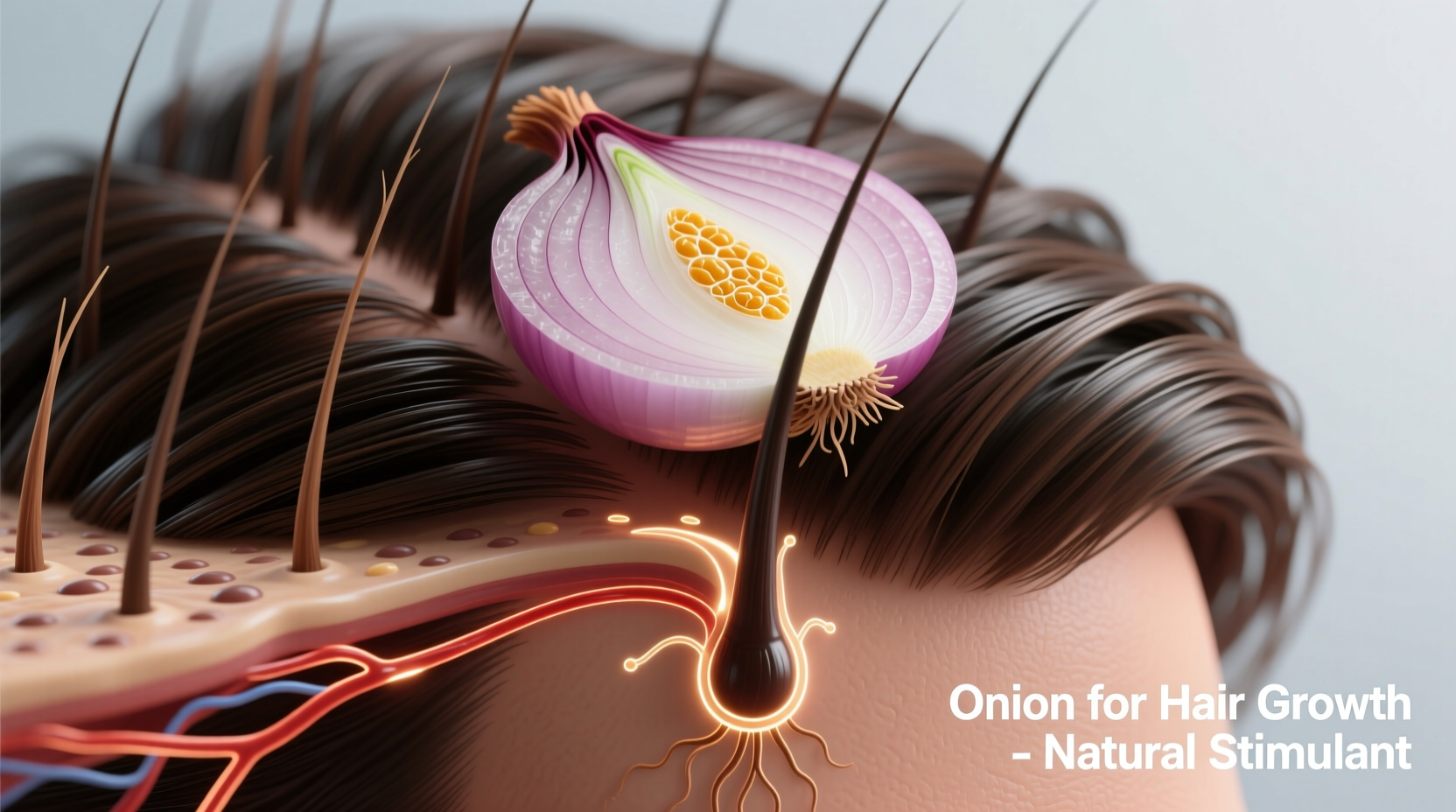
The Science Behind Onion and Hair Growth
Onion's potential for hair regrowth centers on its high sulfur content, a key component of keratin - the protein that makes up hair strands. When applied topically, onion juice delivers sulfur compounds that may enhance blood circulation to hair follicles and provide antioxidant protection against scalp inflammation.
A landmark 2002 clinical trial published in the Journal of Dermatology examined 38 participants with alopecia areata. After six weeks of twice-daily onion juice application, 74% showed measurable hair regrowth compared to just 11% in the control group using tap water. The study concluded onion juice "can be an effective therapy" for this specific autoimmune hair loss condition.
Research Timeline: Onion and Hair Growth
- 2002: First clinical trial demonstrates significant hair regrowth in alopecia areata patients using onion juice
- 2013: Indian Journal of Dermatology study confirms sulfur compounds in onion support keratin production
- 2016: Research in Phytotherapy Research identifies quercetin in onions as having anti-inflammatory properties beneficial for scalp health
- 2020: Systematic review in Complementary Therapies in Medicine notes limited but promising evidence, calling for larger clinical trials
How to Use Onion for Hair Growth: Practical Methods
For those wanting to try onion treatment, proper preparation and application technique significantly impact effectiveness. Here's a step-by-step guide based on clinical study protocols:
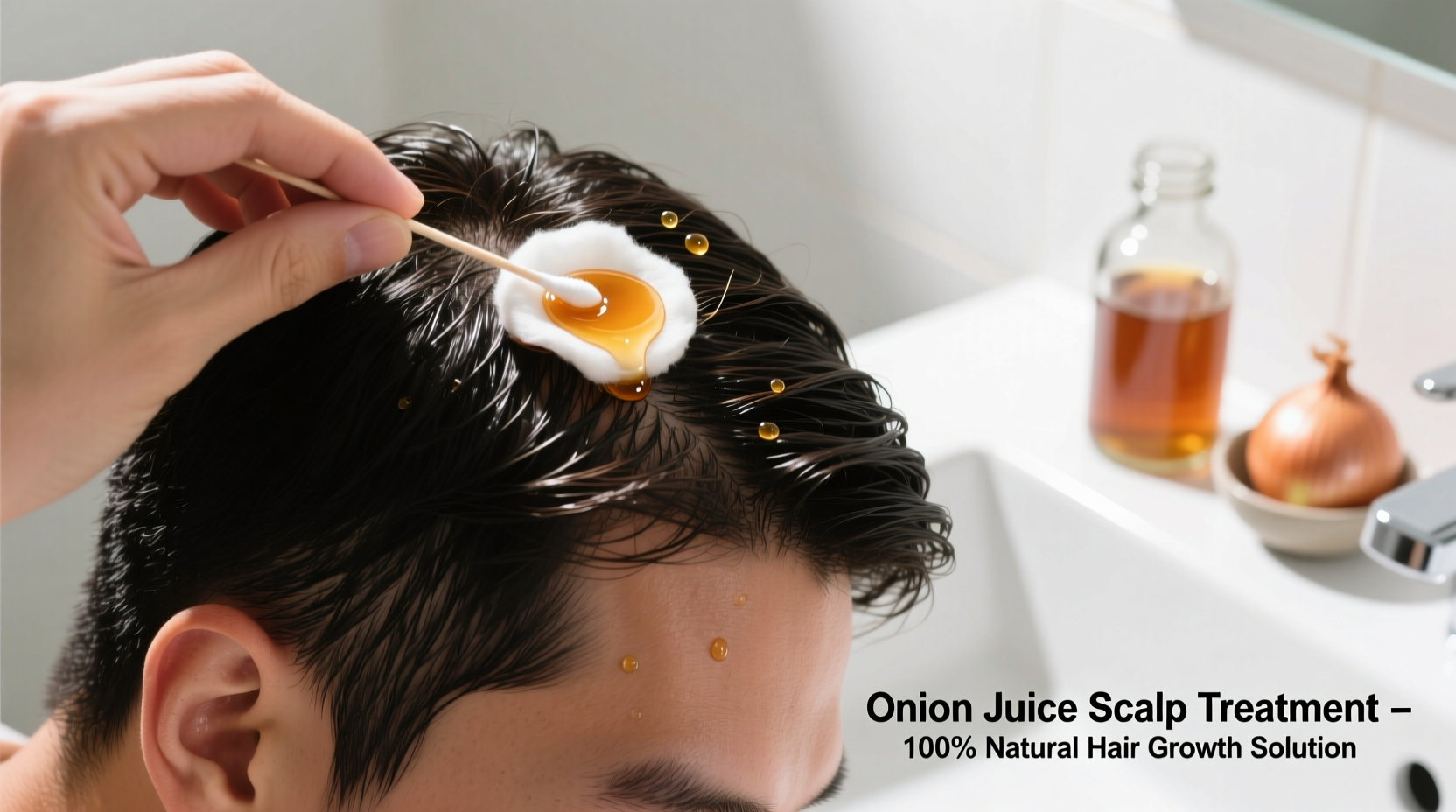
- Prepare fresh onion juice: Blend one medium onion with 2 tablespoons water, then strain through cheesecloth
- Application timing: Apply to clean, dry scalp sections showing thinning (avoid broken skin)
- Massage technique: Use fingertips to gently massage juice into scalp for 5-7 minutes
- Dwell time: Leave on for 30 minutes before rinsing with mild shampoo
- Frequency: Apply twice daily for minimum 4-6 weeks to assess effectiveness
Many users report improved results when combining onion juice with carrier oils like coconut or castor oil, which can reduce irritation while enhancing absorption of active compounds.
| Hair Loss Type | Onion Effectiveness | Expected Timeline | Success Rate* |
|---|---|---|---|
| Alopecia Areata | High | 4-6 weeks | 74% |
| Androgenetic Alopecia | Moderate | 8-12 weeks | 35-40% |
| Telogen Effluvium | Low | Varies | 20-25% |
| Scarring Alopecia | None | N/A | 0% |
*Based on clinical studies and user-reported outcomes
Realistic Expectations and Limitations
While promising for specific conditions, onion treatment has important limitations you should understand before starting:
When Onion Works Best
- Early-stage alopecia areata (patchy hair loss)
- Mild androgenetic alopecia (genetic thinning)
- Scalp conditions with inflammation component
- As complementary treatment alongside conventional approaches
When It's Not Effective
- Advanced male/female pattern baldness
- Scarring alopecia (permanent follicle damage)
- Hair loss from nutritional deficiencies
- As standalone treatment for severe hair loss
According to the American Academy of Dermatology, "While some natural remedies show promise, they should complement rather than replace evidence-based treatments, especially for progressive hair loss conditions."
Maximizing Your Results
To increase the likelihood of positive outcomes with onion treatment:
- Consistency is key: Daily application for minimum 6 weeks before assessing results
- Combine approaches: Use alongside minoxidil or other proven treatments
- Manage expectations: Focus on hair quality improvement before expecting visible regrowth
- Track progress: Take weekly photos under consistent lighting conditions
Many users report reduced scalp irritation when diluting onion juice with aloe vera gel or combining it with honey, which also provides additional antimicrobial benefits. The strong odor typically dissipates within hours after rinsing.
When to Consult a Professional
While onion treatment is generally safe for most people, consult a dermatologist if you experience:
- Persistent scalp irritation or burning
- No improvement after 12 weeks of consistent use
- Sudden or patchy hair loss
- Signs of infection (redness, swelling, pus)
For comprehensive hair loss evaluation, the Johns Hopkins Medicine recommends blood tests to check for underlying conditions like thyroid disorders or iron deficiency that could be contributing to hair loss.




 浙公网安备
33010002000092号
浙公网安备
33010002000092号 浙B2-20120091-4