
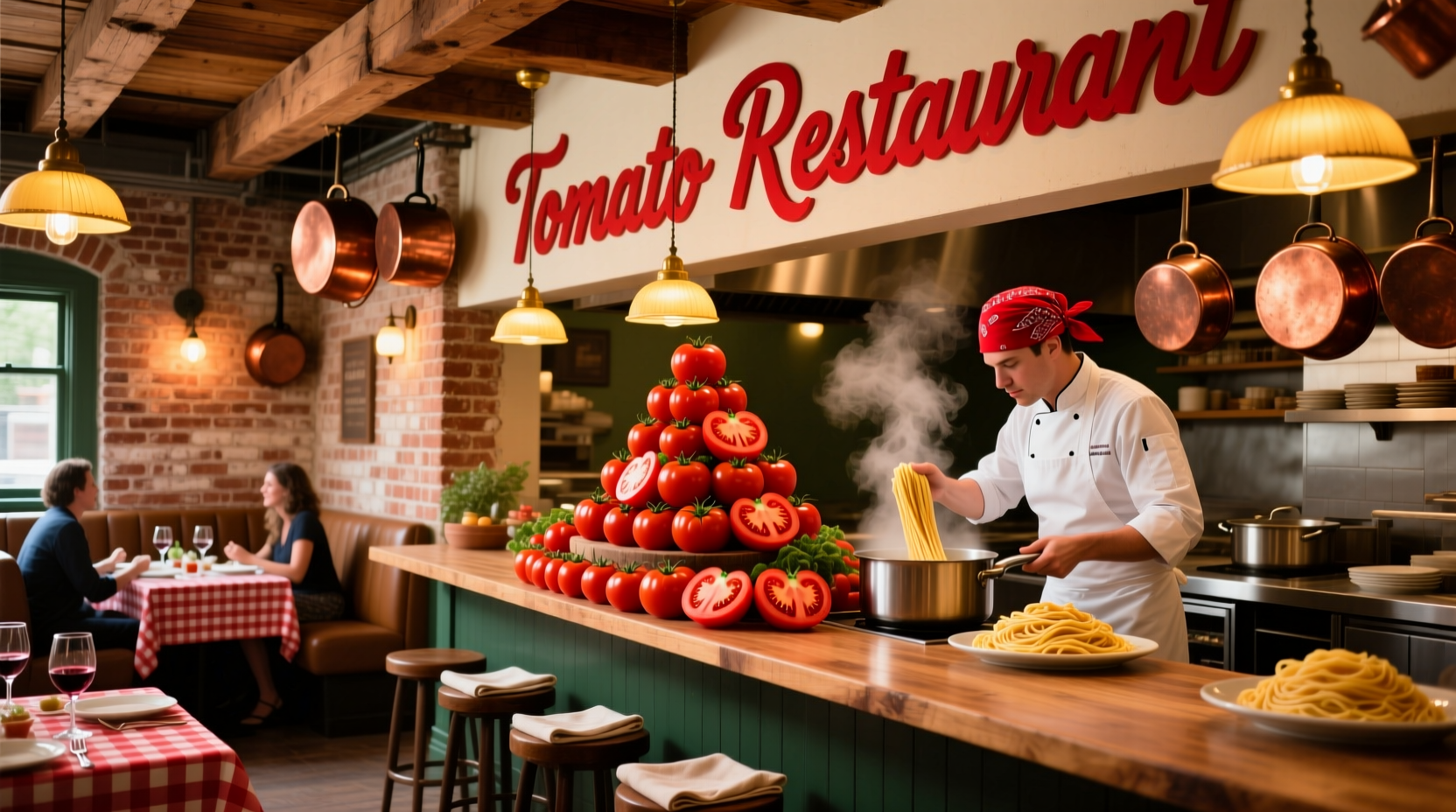
Discover what makes a true tomato-focused dining experience stand apart from ordinary restaurants. This guide reveals the culinary philosophy, historical context, and practical elements that define exceptional tomato restaurants—helping you identify authentic establishments and understand why seasonal tomato sourcing matters more than you might think.
The Defining Characteristics of Tomato Restaurants
Unlike standard eateries that merely include tomato dishes, dedicated tomato restaurants build their entire culinary identity around this versatile fruit. These establishments typically feature:
- Seasonal menus changing with tomato harvest cycles
- Multiple heirloom varieties prominently featured
- Chef-driven preparations showcasing different ripeness levels
- Transparent sourcing from local growers
- Educational components about tomato varieties
| Standard Restaurant | Tomato Restaurant |
|---|---|
| Uses 1-2 commercial tomato varieties year-round | Features 8+ seasonal heirloom varieties |
| Serves tomatoes as supporting ingredient | Builds dishes around tomato as primary component |
| Limited tomato preparation methods | Demonstrates multiple preservation and cooking techniques |
| Little information about tomato sourcing | Provides grower details and harvest dates |
Evolution of Tomato-Centric Dining
The journey of tomatoes from feared novelty to culinary centerpiece spans centuries. Understanding this progression helps appreciate modern tomato restaurants' significance:
- 1521-1600s: Tomatoes introduced to Europe from Mesoamerica, initially grown as ornamental plants due to fears they were poisonous
- 1700s: Gradual acceptance in Mediterranean cuisine, particularly in Spanish and Italian cooking
- 1800s: Commercial cultivation begins in North America, though still viewed with suspicion in some regions
- Early 1900s: Rise of tomato canning enables year-round availability but diminishes flavor focus
- Late 1980s: Heirloom tomato revival begins among specialty growers and chefs
- 2000s-Present: Emergence of restaurants specifically dedicated to showcasing tomato diversity and seasonality
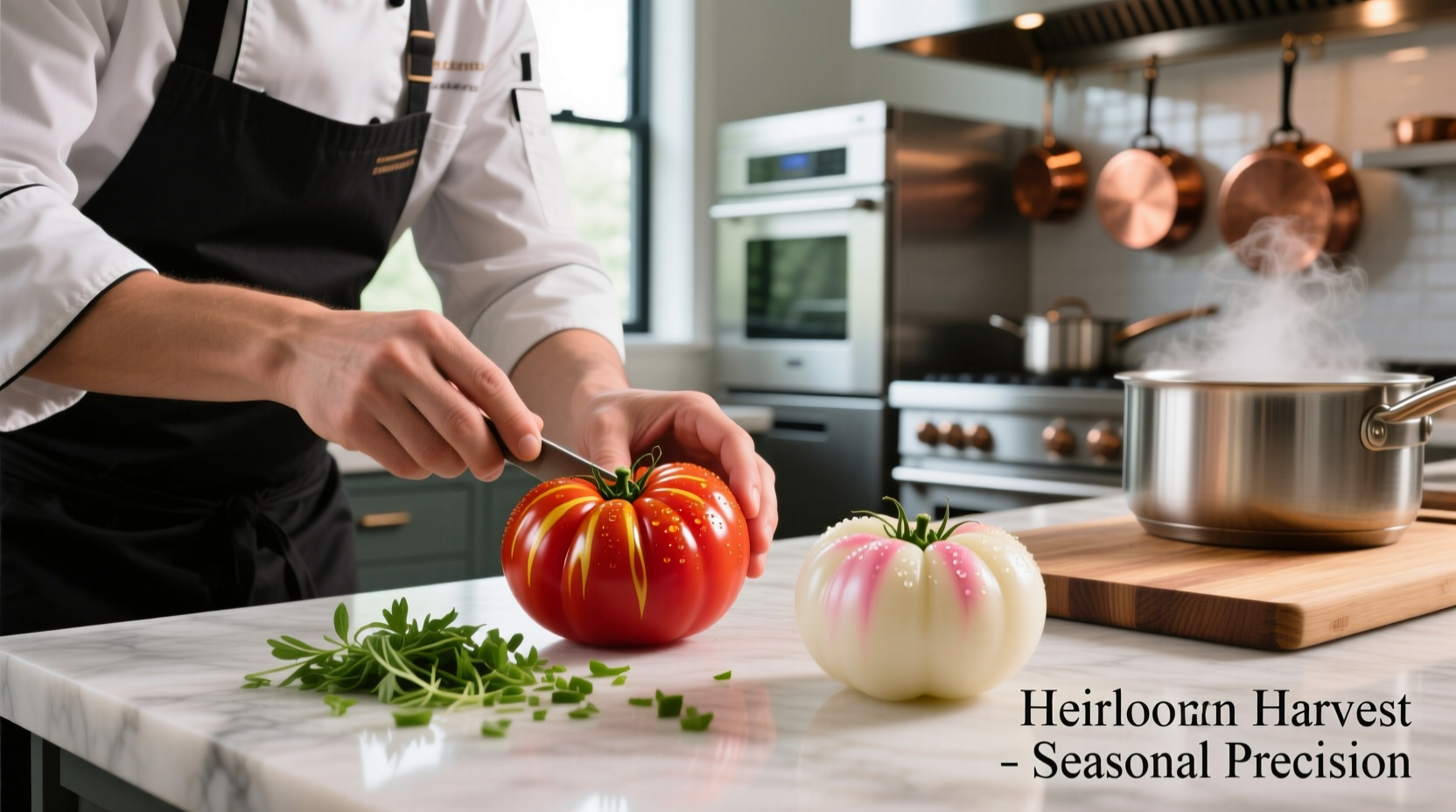
What Sets Authentic Tomato Restaurants Apart
Not all establishments claiming tomato specialization deliver genuine experiences. Key differentiators include:
Seasonal Menu Planning
True tomato restaurants design menus around the natural harvest calendar. During peak summer months, you'll find:
- Early season: Green tomatoes and early varieties like Stupice
- Mid-season: Classic varieties including Brandywine and Beefsteak
- Late season: Extended harvest varieties like San Marzano and Cherokee Purple
Preparation Techniques
Professional kitchens dedicated to tomatoes employ multiple preparation methods to highlight different flavor profiles:
- Raw preparations showcasing freshness
- Slow-roasted concentrates for depth
- Fermented applications for complexity
- Preserved forms for off-season availability
Regional Variations in Tomato Cuisine
Tomato restaurants adapt their approach based on local traditions and available varieties. Understanding these regional differences helps set appropriate expectations:
- Mediterranean regions: Focus on simple preparations that highlight natural sweetness, often featuring olive oil-based preparations
- Mexican-inspired establishments: Incorporate traditional nixtamalization techniques and regional chili pairings
- Italian specialty restaurants: Emphasize specific regional varieties like San Marzano for sauces
- Modern American concepts: Experiment with cross-cultural fusion while maintaining tomato prominence
According to USDA agricultural research, over 10,000 tomato varieties exist worldwide, though commercial production focuses on fewer than 100. Specialty tomato restaurants typically feature 15-25 varieties throughout their growing season, providing culinary experiences impossible to replicate with standard supermarket tomatoes.
How to Evaluate a Quality Tomato Restaurant
When seeking authentic tomato-focused dining, look for these indicators of quality:
Menu Transparency
High-quality establishments provide specific information about:
- Tomato varieties used in each dish
- Harvest dates and growing locations
- Preparation methods highlighting tomato characteristics
Seasonal Adaptation
Watch for menus that change significantly throughout the growing season rather than offering the same tomato dishes year-round. The best restaurants may even close during off-seasons rather than compromise on quality.
Chef Knowledge
Staff should demonstrate deep understanding of tomato varieties, seasonal availability, and preparation techniques. Don't hesitate to ask about specific varieties—they should enthusiastically share details.
Common Misconceptions About Tomato Restaurants
Several myths persist about tomato-focused dining experiences:
- "All tomato restaurants serve the same dishes": In reality, menus vary significantly based on regional traditions and chef expertise
- "Tomato restaurants only operate in summer": While peak season offers the most variety, many use preservation techniques to extend the tomato experience
- "Heirloom tomatoes are always superior": Different varieties serve different culinary purposes—chefs select based on dish requirements
- "Tomato-focused means vegetarian": Many tomato restaurants incorporate meat and seafood preparations where tomatoes enhance other ingredients
Understanding these distinctions helps set appropriate expectations when seeking authentic tomato restaurant experiences. The most memorable establishments balance culinary creativity with respect for the tomato's natural qualities.




 浙公网安备
33010002000092号
浙公网安备
33010002000092号 浙B2-20120091-4