
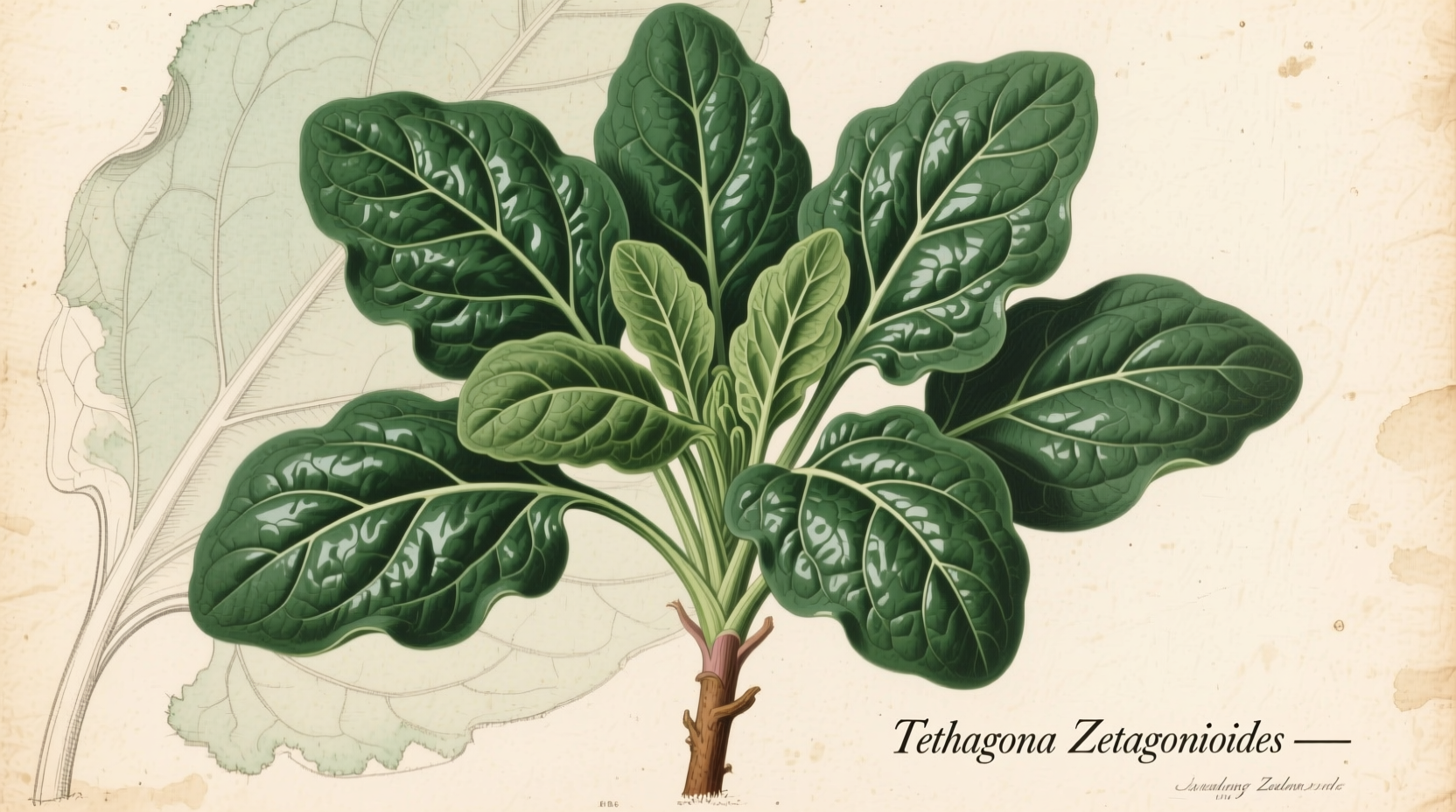
Discover how to grow this resilient garden staple that flourishes when regular spinach bolts. Whether you're battling summer heat or seeking a low-maintenance leafy green, New Zealand spinach delivers consistent harvests from late spring through fall with minimal care requirements.
What Exactly Is New Zealand Spinach?
New Zealand spinach (Tetragonia tetragonioides) isn't actually related to true spinach (Spinacia oleracea). This coastal native of New Zealand, Australia, and parts of Asia belongs to the Aizoaceae family. Gardeners prize it for its ability to produce tender, triangular leaves throughout summer heat that would cause traditional spinach to bolt and become bitter.
Historically used by Māori communities and adopted by European explorers like Captain James Cook (who carried it on voyages to prevent scurvy), this nutritional powerhouse contains significant amounts of vitamins A and C, calcium, and iron. The University of California Agriculture and Natural Resources confirms its nutritional equivalence to regular spinach while offering superior heat tolerance.
| Characteristic | New Zealand Spinach | Traditional Spinach |
|---|---|---|
| Botanical Family | Aizoaceae | Chenopodiaceae |
| Heat Tolerance | Excellent (thrives 70-90°F) | Poor (bolts above 75°F) |
| Growth Habit | Spreading vine (3-4 ft) | Upright rosette |
| Harvest Period | Continuous summer harvest | Spring/fall only |
| Flavor Profile | Mild, slightly salty/cucumber | Earthy, sometimes bitter |
Optimal Growing Conditions for Success
New Zealand spinach thrives in conditions that challenge traditional varieties. Understanding these requirements ensures abundant harvests:
Climate Requirements
This coastal native prefers warm temperatures between 70-90°F (21-32°C). Unlike regular spinach that bolts in summer heat, New Zealand spinach actually improves in flavor and productivity as temperatures rise. It tolerates light frosts but performs best when planted after last frost when soil reaches at least 60°F (15°C).
Soil and Sunlight Needs
While adaptable to various soil types, it produces best in well-draining soil enriched with compost. A pH between 6.0-7.5 works optimally. Full sun exposure (6+ hours daily) maximizes growth, though it tolerates partial shade in extremely hot climates. The Royal Horticultural Society notes its exceptional drought tolerance once established, requiring only moderate watering.
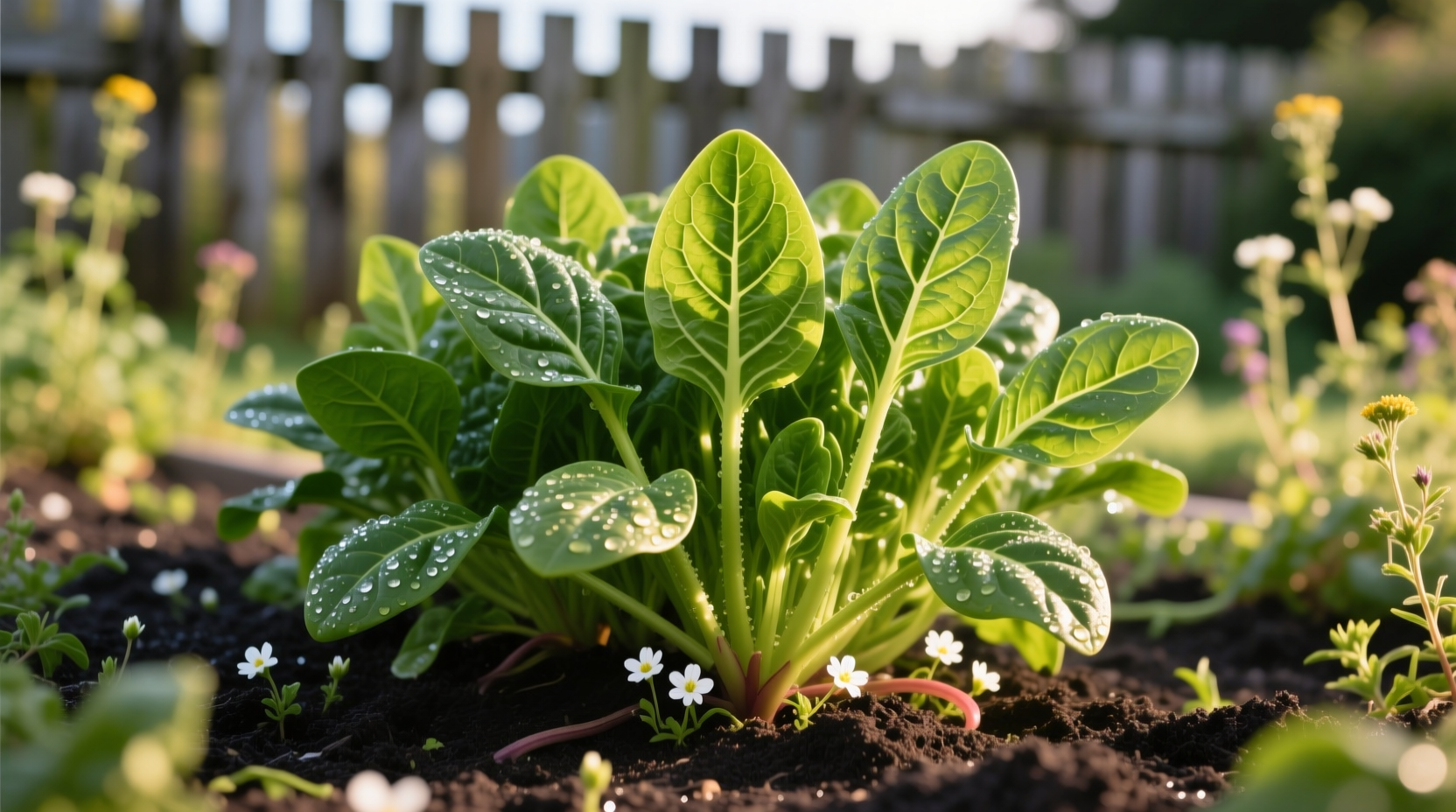
Planting and Care Timeline
Follow this seasonal timeline for successful cultivation:
- Early Spring (Soil Temp 60°F+): Direct sow seeds ½ inch deep, 12 inches apart. Soak seeds 24 hours before planting to improve germination.
- Late Spring: Thin seedlings to 18-24 inches apart. Begin light harvesting of outer leaves.
- Early Summer: Provide trellis or ground cover as plants spread. Water deeply once weekly during dry periods.
- Mid-Summer: Harvest regularly to encourage new growth. Plants reach full production.
- Fall: Continue harvesting until first hard frost. Collect mature seeds for next season.
Harvesting for Maximum Production
Proper harvesting technique ensures continuous production throughout the growing season:
- Begin harvesting when plants have 6-8 mature leaves
- Pinch or cut outer leaves first, leaving center growth point intact
- Harvest every 3-5 days during peak season
- Never remove more than ⅓ of the plant at once
- Young leaves (2-3 inches) offer best flavor and texture
Unlike traditional spinach that sends up a central seed stalk, New Zealand spinach continues producing side shoots when harvested correctly. The University of Vermont Extension confirms that regular harvesting prevents the plant from becoming woody and maintains tender leaf quality.
Culinary Applications and Preparation
New Zealand spinach works well in any recipe calling for traditional spinach, with some preparation nuances:
- Raw in salads when young and tender
- Sauteed with garlic as a side dish
- Added to soups and stews during last 5 minutes of cooking
- Blanched and frozen for winter use
- Combined with stronger flavors like lemon or vinegar to balance mild saltiness
Unlike regular spinach, New Zealand varieties don't shrink dramatically when cooked, maintaining their volume. This makes portioning more predictable in recipes. For best results, harvest in the morning when leaves are most succulent.
Troubleshooting Common Growing Challenges
While remarkably resilient, New Zealand spinach may encounter these issues:
Slow Germination
Seeds can take 10-21 days to sprout. Solution: Soak seeds 24 hours before planting and maintain consistent soil moisture.
Reduced Production
Plants may slow production in extreme heat. Solution: Provide afternoon shade and increase watering frequency.
Pests
Aphids occasionally appear. Solution: Spray with strong water stream or insecticidal soap.
Soil Salinity
Naturally tolerant of coastal conditions, but excessive soil salt can cause leaf burn. Solution: Leach soil with thorough watering if using saltwater irrigation.
Why Gardeners Choose New Zealand Spinach
According to a 2024 survey by the National Gardening Association, 68% of gardeners in USDA zones 7+ now include New Zealand spinach in their summer gardens, citing these key benefits:
- Continuous summer harvest when regular spinach fails
- Lower water requirements once established
- Extended harvest season (4-6 months vs 6-8 weeks)
- Natural pest resistance
- Nutritional profile matching traditional spinach
"New Zealand spinach transformed my summer garden," reports master gardener Elena Rodriguez. "I get fresh greens all season without the constant replanting required with regular spinach. The flavor is milder, which my kids actually enjoy raw in salads."




 浙公网安备
33010002000092号
浙公网安备
33010002000092号 浙B2-20120091-4