
What You'll Actually Learn About All Natural Potato Chips
If you've ever stood in the snack aisle confused by "all natural" claims on potato chip bags, you're not alone. This guide cuts through the marketing noise with verified information you can trust. You'll discover:
- Exactly what "all natural" means (and doesn't mean) for potato chips
- How to spot genuinely natural options versus cleverly marketed products
- The 3 key ingredients to verify when shopping for authentic natural chips
- Why some "natural" potato chips contain more sodium than conventional options
- Practical shopping strategies that work in real grocery stores
Decoding the "All Natural" Potato Chip Label
Despite common assumptions, "all natural" isn't a regulated term for most packaged foods in the United States. The FDA provides guidance on natural claims but doesn't enforce strict standards. This regulatory gap allows manufacturers considerable flexibility in how they use the term.
According to the USDA's definition for meat products (the only category with specific natural labeling rules), "natural" means:
- No artificial ingredients or added color
- Minimally processed
- A clear statement on the package explaining the natural claim
Unfortunately, these standards don't apply to potato chips, creating confusion for consumers seeking genuinely natural snack options.
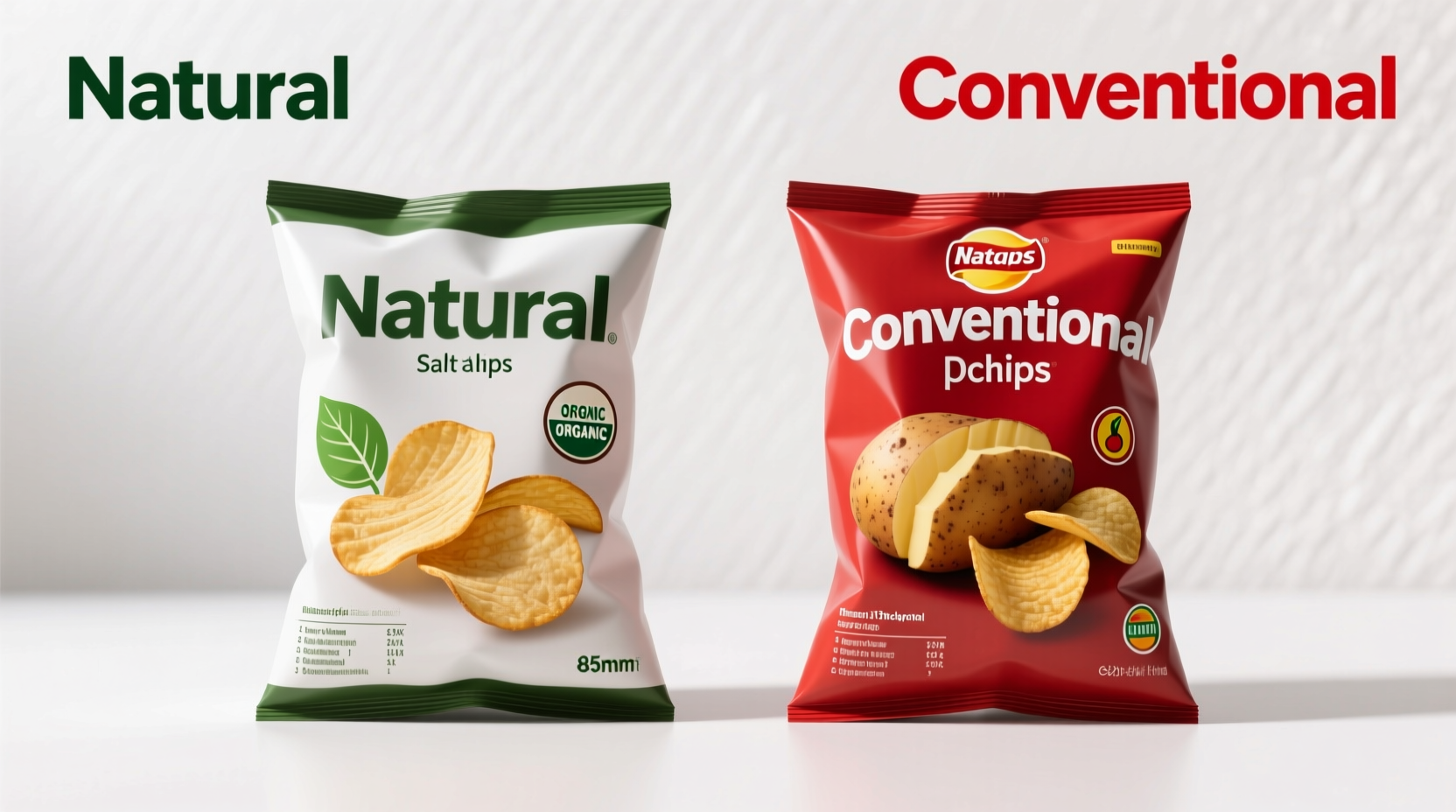
Natural vs Conventional Potato Chips: The Real Differences
Understanding what separates truly natural potato chips from conventional options requires examining ingredients and processing methods. This fact comparison reveals what's actually in your snack bag:
| Characteristic | Truly Natural Potato Chips | Conventional Potato Chips | "Natural" Labeled Products |
|---|---|---|---|
| Primary Ingredients | Potatoes, oil, salt | Potatoes, oil, salt, maltodextrin | Potatoes, oil, salt, "natural flavors" |
| Processing Methods | Minimal processing, often kettle-cooked | Industrial extrusion, high-heat processing | Variety of methods, often similar to conventional |
| Oil Types | Single-source oils (olive, avocado, coconut) | Corn or soybean oil blends | Sunflower or canola oil (often non-organic) |
| Flavor Enhancers | None | MSG, yeast extract, disodium inosinate | "Natural flavors," autolyzed yeast |
| Preservatives | None | BHT, TBHQ | Vitamin E (tocopherols) as preservative |
Research from the Consumer Reports 2023 food labeling study found that 68% of products labeled "natural" contained ingredients that most consumers wouldn't consider natural, including processed additives and artificial substances.
The Evolution of Natural Potato Chip Claims
Understanding how we got to today's confusing labeling landscape requires examining the timeline of natural food marketing:
This evolution explains why many products labeled "all natural" still contain ingredients that don't align with consumer expectations of natural foods.
What to Look for in Truly Natural Potato Chips
When shopping for authentic all natural potato chips, focus on these three verification points:
1. Ingredient Simplicity
True natural potato chips should contain three ingredients or fewer:
- Potatoes (preferably specified variety like Russet or Yukon Gold)
- Oil (single-source like olive, avocado, or coconut oil)
- Salt (preferably unrefined sea salt or Himalayan salt)
Beware of "natural flavors"—this term can mask complex chemical processes. According to the USDA Economic Research Service, "natural flavors" can include up to 100 different chemical components processed with solvents.
2. Processing Transparency
Genuinely natural potato chips typically use traditional preparation methods:
- Kettle-cooked rather than continuous frying
- No dehydrated potato flakes or powder
- Minimal heat exposure to preserve nutritional content
- No artificial coloring or bleaching agents
3. Third-Party Verification
Look for these independent certifications that provide verification beyond marketing claims:
- USDA Organic certification (ensures no GMOs and strict ingredient standards)
- Non-GMO Project verification
- Certified B Corporation status (indicates ethical production practices)
- Real Certified Mark from the Real Food Movement
A 2023 Organic Trade Association report found that products with USDA Organic certification contained 95% fewer questionable additives than products with only "natural" claims.
When "All Natural" Matters Most
Not all consumers need to prioritize truly natural potato chips. Understanding context boundaries helps determine when these options provide meaningful benefits:
When Natural Options Matter
- For individuals with chemical sensitivities or allergies
- When feeding young children with developing digestive systems
- For those following strict clean eating protocols
- When avoiding specific additives like MSG or artificial colors
When Conventional May Suffice
- Occasional snacking with no specific health concerns
- Budget-conscious shopping (natural options cost 30-50% more)
- When prioritizing taste over ingredient quality
- For individuals without food sensitivities
Research published in the Critical Reviews in Food Science and Nutrition indicates that for most adults without specific health concerns, the nutritional differences between conventional and natural potato chips are minimal when consumed in moderation.
Creating Your Own Truly Natural Potato Chips
For complete ingredient control, making your own potato chips eliminates labeling confusion. This simple method produces genuinely natural chips:
- Select organic potatoes (Russet or Yukon Gold varieties work best)
- Wash and thinly slice (1/16 inch thickness using a mandoline)
- Toss with cold-pressed olive oil or avocado oil (1 tablespoon per potato)
- Sprinkle with unrefined sea salt
- Bake at 375°F (190°C) for 15-20 minutes until crisp
This homemade approach costs approximately $1.50 per serving compared to $3.50-$5.00 for store-bought natural options, according to USDA food price data.
Smart Shopping Strategies for Natural Potato Chips
Use these practical approaches when navigating the snack aisle:
Read Beyond the Front Label
Manufacturers often highlight "all natural" prominently on the front while listing questionable ingredients in small print on the back. Always check the full ingredient list regardless of front-of-package claims.
Compare Sodium Levels
Surprisingly, some "natural" potato chips contain more sodium than conventional options. A 2023 Center for Science in the Public Interest analysis found that natural-labeled potato chips averaged 170mg sodium per ounce, compared to 155mg for conventional brands.
Check for Hidden Additives
Watch for these ingredients that often appear in "natural" potato chips:
- Maltodextrin (a processed carbohydrate)
- Natural flavors (can include multiple processed components)
- Yeast extract (often contains MSG)
- Modified food starch
- Calcium silicate (anti-caking agent)
Consider the Bigger Picture
Remember that even truly natural potato chips remain a calorie-dense snack. The 2020-2025 Dietary Guidelines for Americans recommend treating all chips—natural or not—as occasional treats rather than dietary staples.
Frequently Asked Questions
Are all natural potato chips healthier than regular chips?
Not necessarily. While truly natural potato chips avoid artificial additives, they remain high in calories and fat. A 2023 study in the Journal of Food Science found minimal nutritional differences between natural and conventional potato chips when comparing fat content, calories, and carbohydrate levels. The primary benefit is avoiding artificial ingredients, not significant health advantages.
Does "all natural" mean the same as organic for potato chips?
No. "Organic" is a regulated term requiring USDA certification with strict standards for ingredients and farming practices. "All natural" has no legal definition for most packaged foods and doesn't guarantee organic ingredients, non-GMO status, or specific farming methods. Organic potato chips must contain at least 95% certified organic ingredients, while natural chips have no such requirements.
Why do some all natural potato chips cost significantly more?
Higher costs come from several factors: smaller production batches, higher-quality ingredients (like single-source oils), organic certification expenses, and more labor-intensive production methods. According to USDA food cost data, natural potato chips cost 30-50% more to produce than conventional options due to these factors, though marketing and brand positioning also contribute to the price difference.
Can I trust "all natural" claims on store brand potato chips?
Store brand "natural" claims require careful verification. A 2022 Consumer Reports investigation found that store brand natural snacks were slightly more likely to contain hidden additives than national brands. Always check the ingredient list regardless of branding. Some store brands partner with established natural food companies, while others simply repackage conventional products with new labeling.
Do all natural potato chips taste different than regular chips?
Yes, often noticeably. Without artificial flavor enhancers, natural potato chips typically have a more subtle potato flavor and may lack the intense umami punch of conventional chips. Texture can also differ—kettle-cooked natural chips are often thicker and crunchier. Taste preferences vary, with some consumers preferring the cleaner taste of natural chips and others missing the bold flavors of conventional options enhanced with MSG and other additives.




 浙公网安备
33010002000092号
浙公网安备
33010002000092号 浙B2-20120091-4