
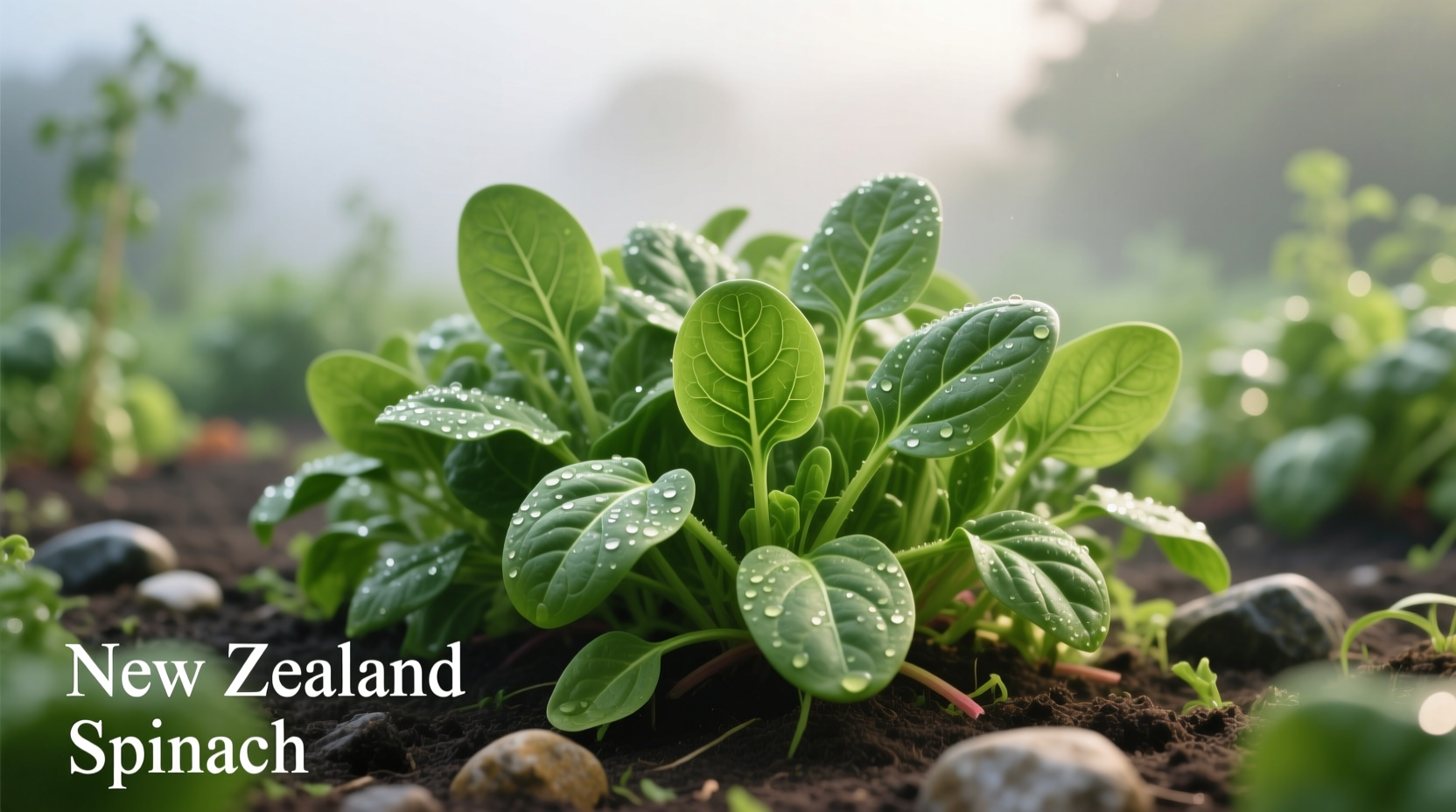
Discover why this resilient plant has become a staple in sustainable gardens worldwide. Unlike traditional spinach that bolts quickly in summer heat, New Zealand spinach maintains productivity through scorching temperatures, providing fresh greens when other leafy vegetables disappear from your garden.
What Exactly Is New Zealand Spinach?
New Zealand spinach, scientifically known as Tetragonia tetragonioides, isn't actually related to true spinach (Spinacia oleracea). This hardy annual native to coastal regions of New Zealand, Australia, and parts of Asia has been cultivated for centuries as a valuable food source. Captain James Cook famously introduced it to European sailors as a scurvy preventative during long voyages, recognizing its high vitamin C content.
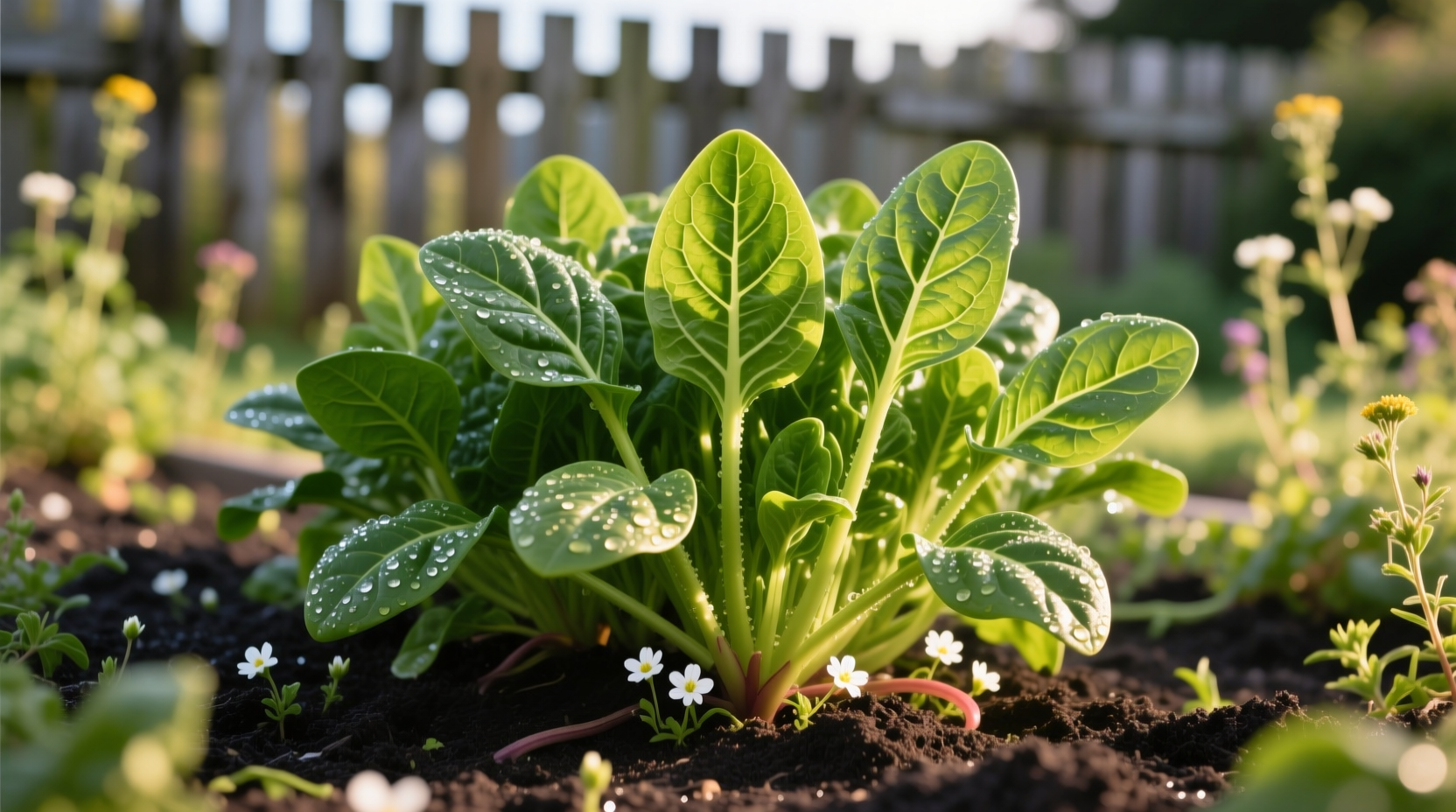
Gardeners appreciate this plant for its triangular, fleshy leaves that resemble spinach but with superior heat tolerance. The sprawling growth habit creates dense ground cover, making it equally valuable for erosion control in addition to its culinary uses. When properly prepared, it delivers a mild, slightly salty flavor profile that works beautifully in both cooked and raw applications.
| Characteristic | New Zealand Spinach | Regular Spinach |
|---|---|---|
| Optimal Growing Season | Summer (65-85°F) | Spring/Fall (50-70°F) |
| Heat Tolerance | Excellent (continues producing) | Poor (bolts quickly) |
| Days to Harvest | 55-65 days | 40-50 days |
| Soil pH Preference | 6.0-7.5 | 6.5-7.5 |
| Preparation Requirement | Blanch to reduce oxalates | Can eat raw |
Why Gardeners Choose New Zealand Spinach Over Regular Varieties
The primary advantage of New Zealand spinach lies in its exceptional performance during summer months. While traditional spinach varieties typically bolt (go to seed) when temperatures exceed 75°F, New Zealand spinach thrives in these same conditions, providing continuous harvests throughout the hottest part of the growing season. This makes it particularly valuable for gardeners in USDA zones 7 and above where summer temperatures regularly climb.
Research from the University of California Cooperative Extension confirms that New Zealand spinach maintains consistent production when temperatures reach 90°F, while standard spinach varieties become unusable under these conditions. This heat tolerance translates to extended harvest periods—typically 2-3 months longer than regular spinach in warm climates.
Complete Growing Guide for Successful Harvests
Planting requirements: Unlike regular spinach that prefers cool weather planting, New Zealand spinach needs warm soil (at least 60°F) for optimal germination. Soak seeds for 24 hours before planting to improve germination rates, as the hard seed coat benefits from this pre-treatment. Plant seeds ½ inch deep, spacing plants 12-18 inches apart in rows 24-36 inches apart.
Growing conditions: This plant prefers full sun but tolerates partial shade. While drought-tolerant once established, consistent moisture produces the most tender leaves. Incorporate compost into your soil before planting, as New Zealand spinach appreciates fertile, well-draining soil with moderate nitrogen levels. Avoid excessive nitrogen which can lead to overly vigorous growth with less flavor.
Harvesting tips: Begin harvesting when plants reach 6-8 inches in height, taking the tender growing tips. Regular harvesting encourages bushier growth and extends the productive season. The optimal harvest window is when leaves are 1-3 inches long—larger leaves become increasingly tough. Morning harvests yield the crispest, most flavorful greens.
Proper Preparation and Culinary Applications
Unlike regular spinach, New Zealand spinach contains higher levels of oxalic acid, requiring brief blanching before consumption. Simply immerse leaves in boiling water for 1-2 minutes, then transfer to ice water to preserve color and texture. This process significantly reduces oxalate content while maintaining nutritional value.
Culinarily, blanched New Zealand spinach works beautifully as a substitute for regular spinach in most cooked applications. Its slightly salty flavor profile makes it particularly well-suited for:
- Quiches and savory tarts (holds shape better than regular spinach)
- Stir-fries (maintains texture at high temperatures)
- Spanakopita and other stuffed pastry dishes
- Green smoothies (when properly prepared)
- Pasta dishes (adds visual interest with triangular leaves)
For raw applications, use only the youngest, most tender leaves in small quantities mixed with other greens. The flavor profile works particularly well in Mediterranean-inspired salads with lemon vinaigrette, feta cheese, and toasted pine nuts.
Nutritional Profile and Health Considerations
When properly prepared, New Zealand spinach offers impressive nutritional benefits. According to USDA agricultural research data, it contains significant amounts of:
- Vitamin A (as beta-carotene): 110% of daily value per cooked cup
- Vitamin C: 35% of daily value per cooked cup
- Calcium: 15% of daily value per cooked cup
- Iron: 10% of daily value per cooked cup
- Dietary fiber: 3g per cooked cup
While the oxalic acid content requires blanching, this preparation method preserves most nutrients while making the calcium more bioavailable. The Royal Horticultural Society notes that the blanching process reduces oxalate content by approximately 30-40%, bringing it to levels comparable with other cooked leafy greens.
Troubleshooting Common Growing Challenges
Slow germination: New Zealand spinach seeds have notoriously variable germination rates. Soaking seeds for 24 hours before planting significantly improves results. Maintain consistent soil moisture at 70-80°F for optimal germination.
Poor growth in cool weather: This plant simply won't thrive in temperatures below 60°F. Wait until soil has warmed substantially before planting. In cooler climates, consider starting seeds indoors 4-6 weeks before last frost.
Pests: Aphids and leaf miners occasionally affect plants. The University of Florida IFAS Extension recommends regular hosing with water for aphid control and removing affected leaves for leaf miner management. The plant's natural resilience typically prevents serious pest damage.
Seasonal Timeline for Optimal Results
Understanding the growth cycle of New Zealand spinach helps maximize your harvest:
- Early spring: Start seeds indoors 4-6 weeks before last frost in cooler climates
- Late spring: Transplant outdoors after soil reaches 60°F; direct sow in warmer zones
- Early summer: First harvests begin as plants reach 6-8 inches tall
- Mid-summer: Peak production period; harvest every 5-7 days
- Late summer: Continue harvesting; plants may slow slightly in extreme heat
- Early fall: Production continues until first frost
This timeline demonstrates why New Zealand spinach fills a critical gap in the garden calendar, providing fresh greens during the summer months when traditional spinach isn't viable. The Cooperative Extension System reports that in Mediterranean climates, New Zealand spinach often produces continuously for 4-5 months with proper care.




 浙公网安备
33010002000092号
浙公网安备
33010002000092号 浙B2-20120091-4