
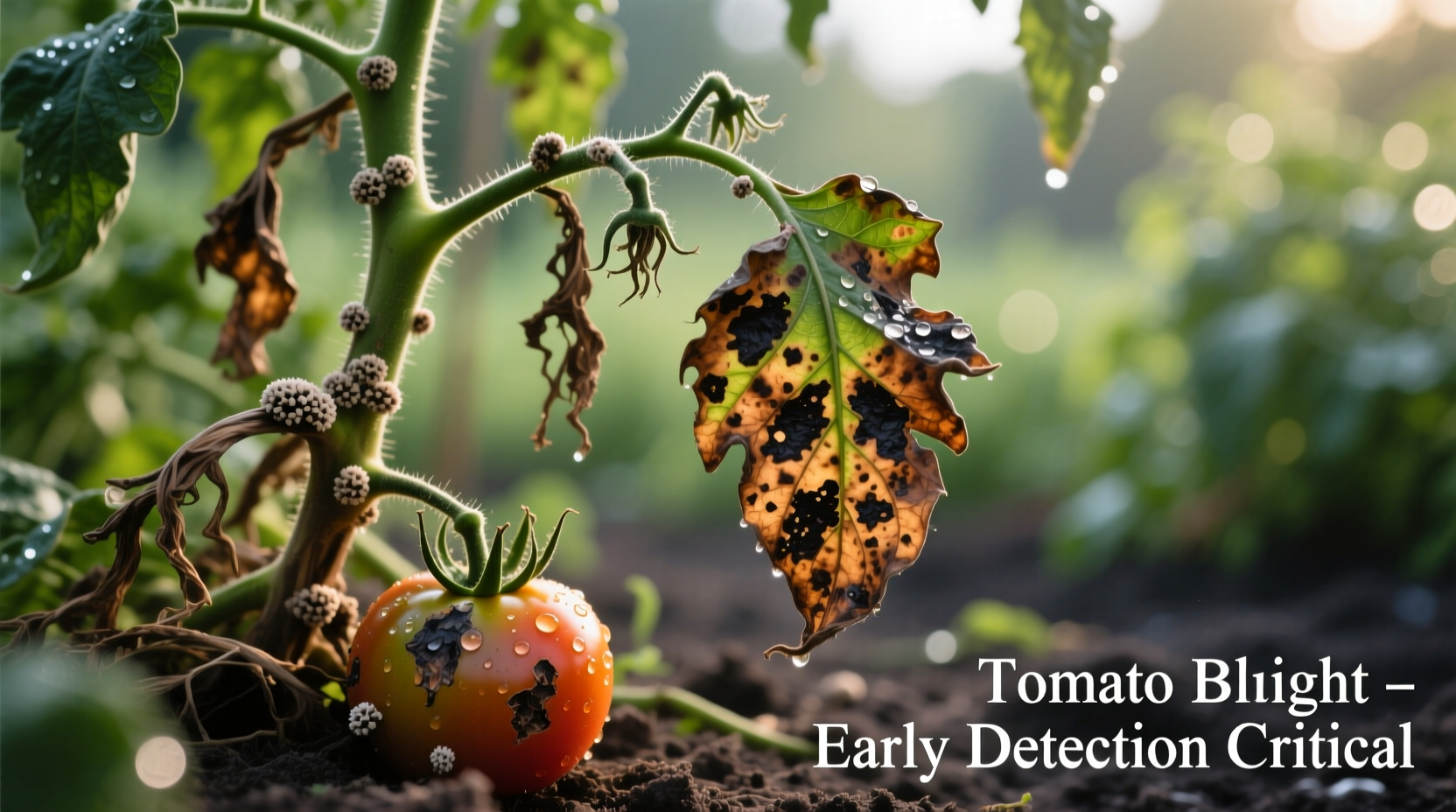
Discovering brown spots and wilting leaves on your tomato plants can trigger panic mid-growing season. As a gardener, you need clear, actionable steps—not just botanical theory—to rescue your crop. This guide delivers science-backed strategies used by professional growers to identify, treat, and prevent tomato blight before it destroys your harvest.
Spotting the Enemy: Early Blight vs. Late Blight Identification
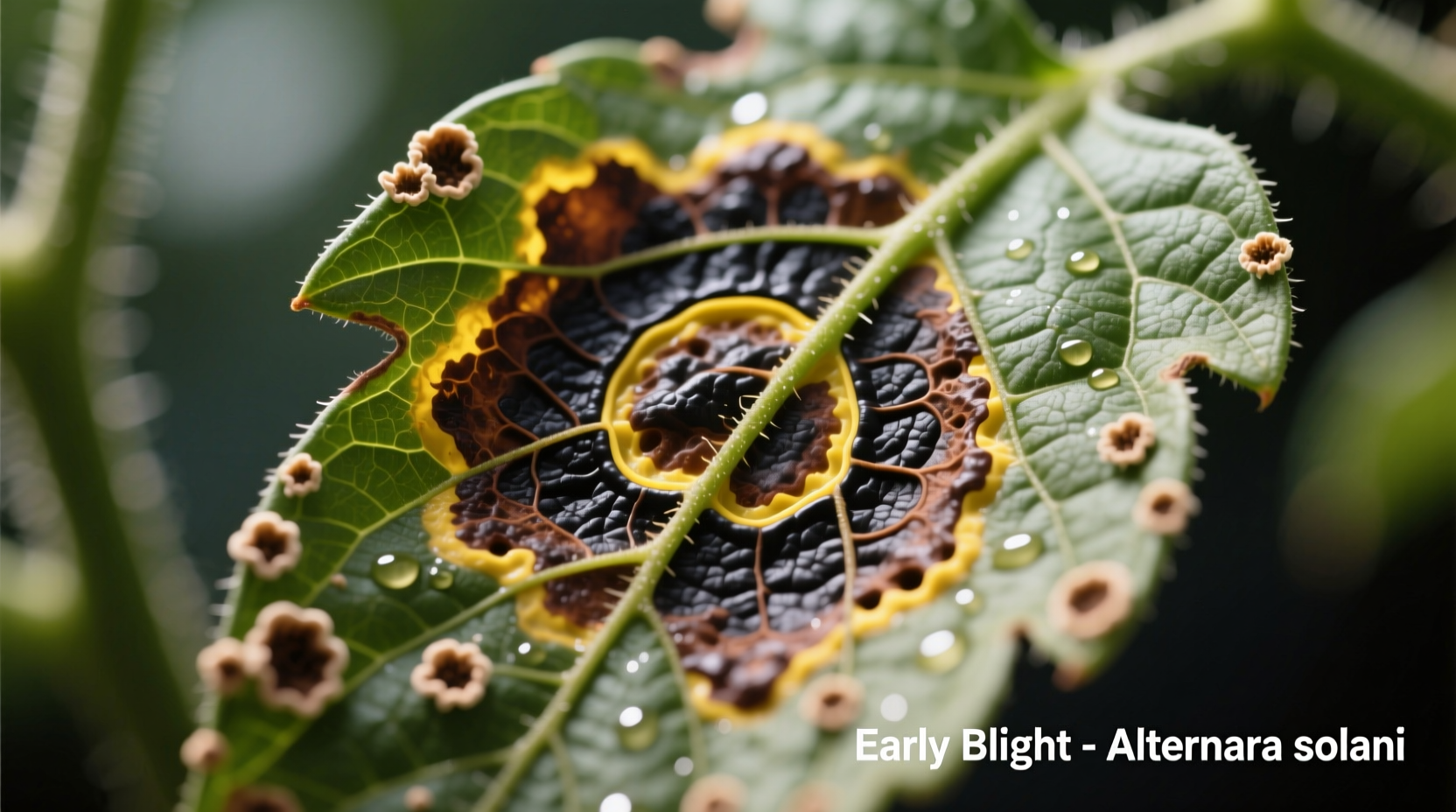
Correct identification determines your treatment success. Early blight (Alternaria solani) appears as concentric bullseye spots on lower leaves, while late blight (Phytophthora infestans) shows water-soaked lesions with white fungal growth. Mistaking one for the other leads to ineffective treatment.
| Characteristic | Early Blight | Late Blight |
|---|---|---|
| Initial Symptoms | Brown spots with target-like rings on older leaves | Water-soaked greenish-black spots, often on upper leaves |
| Progression Speed | Slow (weeks to spread) | Rapid (days to destroy plants) |
| Stem Involvement | Rarely affects stems | Dark lesions girdle stems |
| Fruit Impact | Leathery sunken spots near stem | Large brown firm rot areas |
| Weather Trigger | Warm, humid conditions | Cool, wet weather (50-70°F) |
Data from Cornell University's Vegetable Disease Diagnostic Clinic confirms these visual differences are reliable identifiers in 95% of cases when combined with weather pattern analysis.
Immediate Action Plan: First 48 Hours After Detection
When you spot suspicious symptoms, follow this sequence:
- Isolate affected plants - Prevent spread by removing adjacent vines
- Prune strategically - Cut infected leaves with sterilized shears, removing 4-6 inches below visible damage
- Apply targeted treatment - Organic gardeners should use copper fungicide sprays; conventional growers may use chlorothalonil
- Adjust watering - Switch to morning drip irrigation to keep foliage dry
Research from the University of California Agriculture and Natural Resources shows proper pruning combined with timely fungicide application stops early blight progression in 73% of cases when implemented within two days of symptom appearance.
Effective Treatment Options for Home Gardeners
Your treatment approach depends on blight type and severity:
Organic Solutions
- Copper fungicides - Apply weekly during wet periods (effective against both blight types)
- Neem oil - Best for early-stage infections (0.5% solution every 7-10 days)
- Baking soda spray - 1 tbsp baking soda + 2.5 tbsp vegetable oil + 1 tsp soap in 1 gallon water
Conventional Options
- Chlorothalonil - Most effective broad-spectrum option for severe outbreaks
- Mancozeb - Preventative treatment requiring weekly application
Important context boundary: Copper sprays become ineffective once late blight reaches the stem. At that stage, plant removal is the only solution according to USDA Agricultural Research Service guidelines.
Prevention Framework: Building Blight-Resistant Gardens
Professional growers employ these proven prevention strategies:
Cultural Practices
- 18-month crop rotation - Tomatoes shouldn't return to same soil for 1.5 years
- Resistant varieties - Choose 'Defiant PHR', 'Mountain Magic', or 'Iron Lady' cultivars
- Proper spacing - Maintain 36-inch plant spacing for airflow (reduces humidity by 40%)
Soil Management Timeline
Follow this seasonal schedule for optimal protection:
- Pre-planting (March): Amend soil with composted pine bark to improve drainage
- Planting (May): Apply mycorrhizal fungi to roots and mulch immediately
- Early season (June): Begin preventative fungicide applications
- Mid-season (July): Monitor weekly and remove lower leaves touching soil
- Fall cleanup (October): Remove all plant debris and solarize soil
This timeline, validated by Oregon State University Extension, reduces blight incidence by 65-80% compared to conventional gardening methods.
Common Mistakes That Worsen Blight Outbreaks
Avoid these critical errors that accelerate disease spread:
- Overhead watering after 10 AM - Creates prolonged leaf wetness
- Ignoring early symptoms - Waiting "to see if it spreads" guarantees total infection
- Composting infected material - Blight spores survive standard composting
- Using nitrogen-heavy fertilizers - Promotes dense foliage that traps moisture
When to Cut Your Losses
Sometimes treatment isn't worth the effort. Remove plants immediately when:
- More than 50% of foliage shows symptoms
- Stems display dark lesions (indicates late blight)
- Fruit has extensive rot (beyond small surface spots)
Destroy affected plants by bagging and trashing—never composting—to prevent overwintering spores. Rotate to non-solanaceous crops (like beans or lettuce) for at least 18 months before replanting tomatoes.




 浙公网安备
33010002000092号
浙公网安备
33010002000092号 浙B2-20120091-4