
Why Mitmita Confuses Even Seasoned Home Cooks
You've seen mitmita listed in an Ethiopian recipe or spotted it beside berbere at the market. That moment of hesitation—'Is this just another hot spice? How is it different?'—triggers the most common culinary frustration. Unlike generic chili powders, mitmita's citrusy heat profile (from cardamom's floral notes cutting through chili intensity) creates unique chemistry in dishes. Mistaking it for berbere leads to ruined stews—this isn't just 'spicy'; it's a precision instrument requiring context.
Decoding Mitmita's Composition and Cultural Roots
Originating in Ethiopia's Amhara region, mitmita translates to 'burning' in Amharic—a direct nod to its aggressive heat level. Food historian Daniel Lyman notes this blend historically traveled with merchants along the Red Sea trade routes, absorbing Arabian spice influences like cardamom (The Spruce Eats). Unlike berbere's smoky depth from paprika and fenugreek, mitmita's brilliance lies in its bright, almost lemony heat that cuts through fatty meats.
| Spice Blend | Core Ingredients | Heat Level (Scoville) | Signature Flavor Notes | Primary Use Cases |
|---|---|---|---|---|
| Mitmita | 50% chilies, 25% cardamom, 15% cloves, 10% coriander | 35,000-45,000 | Citrusy, floral, sharp | Kitfo (raw beef), doro wat finishing, awaze dipping sauce |
| Berbere | Paprika, chili, garlic, ginger, fenugreek, allspice | 15,000-25,000 | Earthy, smoky, complex | Wat stews, lentil dishes, spice base for cooking oil |
When and How to Deploy Mitmita Like an Ethiopian Chef
Professional chefs at Addis Ababa's Yod Abyssinia cultural restaurant emphasize mitmita's role as a finishing spice, not a base. Add it in the final 5 minutes of cooking doro wat to preserve volatile citrus oils (Serious Eats). For kitfo (minced raw beef), mix 1 teaspoon mitmita per pound of meat—any more overwhelms the delicate beef flavor. Home cooks consistently fail by treating it like cayenne; its cardamom content demands respect for balance.
Critical Usage Boundaries: Where Mitmita Shines (and Fails)
Use mitmita when: You need bright heat in fatty proteins (kitfo, lamb stews), want to cut through richness in egg-based dishes like doro wat, or create awaze dipping sauce. Its citrus notes excel with ingredients like niter kibbeh (spiced butter).
Avoid mitmita when: Making vegetable wats (use berbere instead), cooking for heat-sensitive guests, or substituting in non-Ethiopian recipes. Its cardamom clashes with Mediterranean herbs and overpowers delicate fish. As chef Marcus Samuelsson warns, 'Mitmita in tomato-based sauces creates bitter off-notes—save it for Ethiopia's unique culinary ecosystem' (Food & Wine).
Spotting Authentic Mitmita: Market Pitfalls Exposed
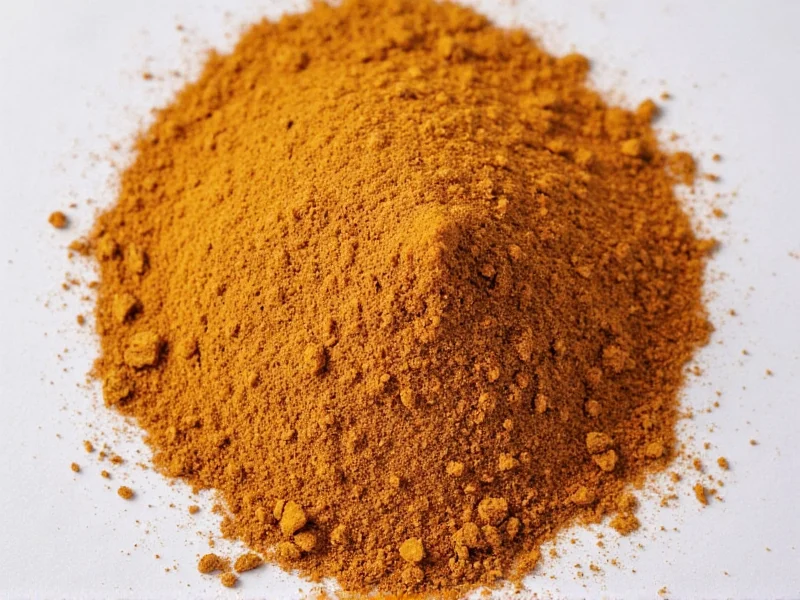
Commercial blends often dilute mitmita with fillers like cornstarch to reduce costs. Authentic versions show vibrant orange-red color (not brick red like berbere) and emit immediate citrus aroma when rubbed between fingers. Check ingredient lists for no added salt or preservatives—traditional mitmita contains only ground spices. In Addis Mercato markets, vendors test quality by sprinkling a pinch in water; genuine mitmita floats due to cardamom's essential oils, while adulterated versions sink.
Three Costly Mistakes Even Foodies Make
Mistake #1: Using mitmita as berbere substitute. This creates unbalanced heat without berbere's foundational warmth. Solution: Keep both blends—use berbere for base flavors, mitmita for finishing.
Mistake #2: Storing in clear containers. Light degrades cardamom's volatile oils within weeks. Solution: Use opaque glass jars in cool, dark pantries (shelf life: 4 months).
Mistake #3: Adding early in cooking. Prolonged heat destroys citrus notes. Solution: Stir in during last 5 minutes for stews, or mix raw into kitfo.
Everything You Need to Know
Mitmita averages 40,000 Scoville units—roughly 1.5x hotter than cayenne (30,000 units). Its cardamom content creates a sharper, more immediate burn that dissipates faster than cayenne's lingering heat, making precise measurement critical.
Due to its high chili concentration, excessive mitmita may trigger acid reflux in sensitive individuals. The University of Maryland Medical Center notes capsaicin (chili compound) can aggravate GERD. Start with 1/4 teaspoon per serving and monitor tolerance.
Mix 2 parts cayenne with 1 part ground cardamom and a pinch of cloves. While imperfect (lacking coriander's brightness), this preserves the citrus-heat balance. Never substitute straight berbere—it lacks mitmita's signature sharpness.
Properly stored in an airtight opaque container away from light/heat, homemade mitmita retains peak flavor for 4 months. Beyond this, cardamom oils degrade, diminishing its citrus notes. Freeze for 6-month storage—but never refrigerate (moisture causes clumping).
Bitterness indicates either expired spices (especially old cardamom) or contamination with berbere's fenugreek. Authentic mitmita should never taste bitter—its cardamom provides bright top notes. Always check blend dates and store spices separately from berbere.




 浙公网安备
33010002000092号
 浙B2-20120091-4