
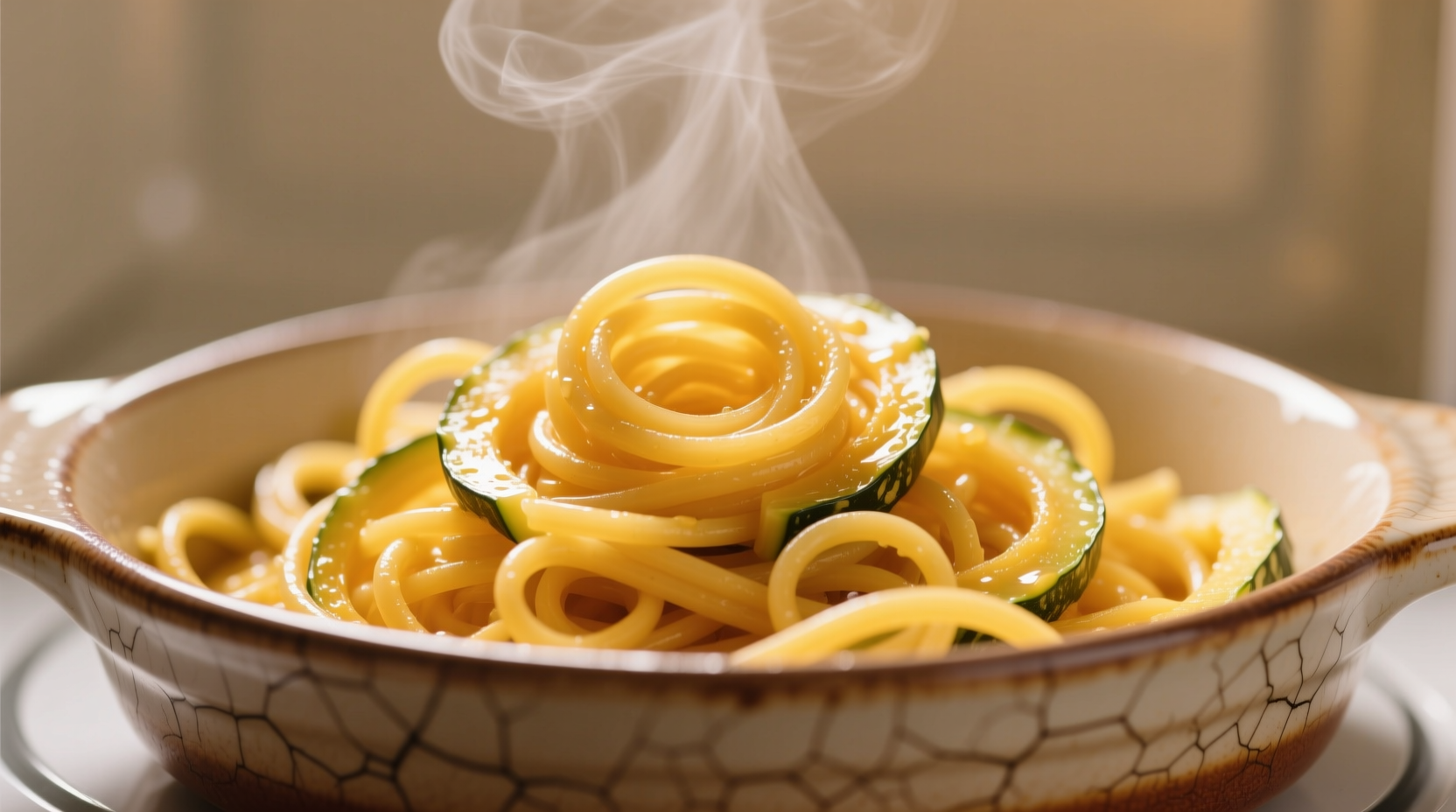
Why Bother With the Microwave? (Spoiler: It Beats the Oven)
Look, I get it—you're probably thinking, "Wait, can you really nuke spaghetti squash?" I used to doubt it too, until I tried it during one of those "too tired to turn on the oven" nights. After testing this dozens of times (yeah, I've got a soft spot for lazy-cook hacks), here's the deal: microwaving cuts cooking time by 75% compared to roasting. No preheating, no flipping, and zero risk of burning your kitchen down. Plus, you skip the whole "why is my squash still hard after 40 minutes?" frustration. Totally doable, totally foolproof—let's dive in.
Step-by-Step: Your 10-Minute Squash Rescue Mission
Okay, grab that squash and let's roll. This isn't rocket science, but small tweaks make or break it. I've messed up enough batches to know exactly where things go sideways.
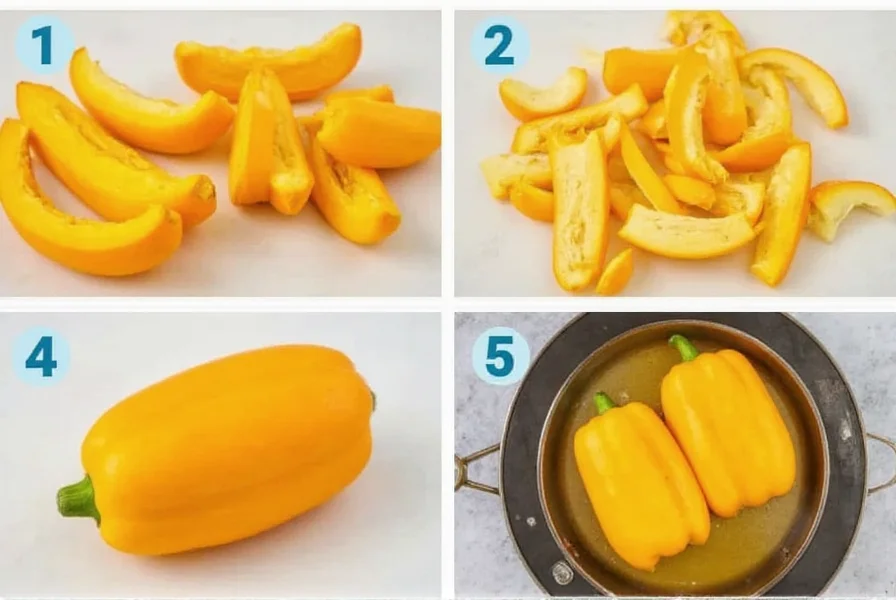
- Cut carefully: Slice lengthwise with a sharp chef's knife (not serrated—trust me, it slips less). If it's stubborn, microwave whole for 2 minutes first to soften. Safety first: stabilize it on a damp towel.
- Scoop seeds: Use a spoon to scrape out pulp/seeds—save them for roasting later if you're into that.
- Water is non-negotiable: Place halves cut-side down in a microwave-safe dish. Add 2 tablespoons water (not more—excess = soggy strands). No water? Dry, rubbery squash awaits.
- Time it right: Microwave on high: 8 minutes for small squash (under 2 lbs), 10-12 for larger. Flip halfway if your microwave has cold spots—I do this with my old Panasonic.
- Rest before shredding: Let it sit 5 minutes covered. Skipping this? Hot steam burns fingers, and strands turn mushy.
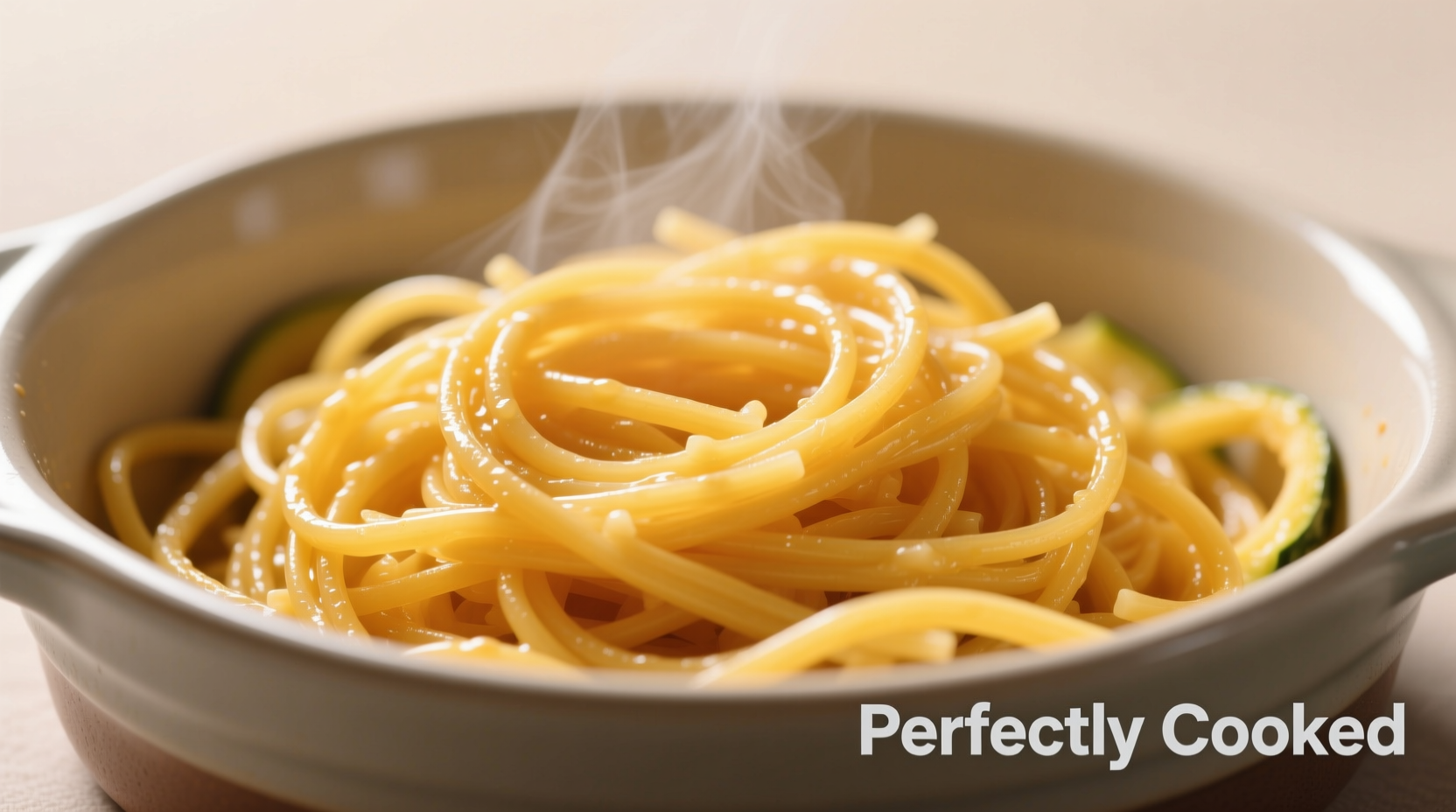
Boom—fork those strands out while it's warm. They'll separate like angel hair pasta. If they're still clinging, nuke 1-2 minutes more. Easy, right?
Pro Tips From a Squash-Obsessed Cook
Real talk: most tutorials skip the little things that actually matter. After years of trial (and error), here's what works:
- Poke holes: Stab the skin 4-5 times with a fork before cutting—prevents explosions. Learned this the hard way during a "kitchen incident" last winter.
- Size matters: Stick to squash under 3 lbs. Larger ones cook unevenly; better off roasting those.
- Flavor boost: Toss strands with olive oil and lemon zest post-cook—microwaved squash lacks caramelization, so this adds brightness.
Microwave vs. Oven: When to Pick Which
Let's be real—sometimes the oven wins. But for 90% of weeknights? Microwave all the way. Here's how they stack up based on actual kitchen tests:
| Factor | Microwave Method | Oven Method |
|---|---|---|
| Time | 8-12 minutes | 30-45 minutes |
| Texture | Tender, slightly moist strands | Drier, caramelized edges |
| Best for | Quick lunches, busy weeknights | Dinner parties, roasted flavor lovers |
| Effort | Minimal (set and forget) | Hands-on (flipping, monitoring) |
When to Microwave (Do This)
- You need dinner in under 15 minutes
- Squash is small (1-2 lbs)
- Hot kitchen in summer—no extra heat from oven
When to Avoid (Seriously, Don't)
- Squash weighs over 3 lbs (uneven cooking)
- You want deep roasted flavor (microwave won't brown it)
- Using a low-power microwave (<800W)—adds 3-5 minutes unpredictably
Common Mistakes That Wreck Your Squash
Been there, done that—here's what *not* to do:
- Skipping the water: Leads to dry, chewy strands. Always add that 2 tbsp—it creates steam for even cooking.
- Overcrowding the dish: If halves overlap, edges stay raw. Use a wide dish—my 9x13 Pyrex works perfectly.
- Peeling before cooking: Waste of time! Skin protects flesh; remove after microwaving.
- Impatience with resting: Forking too soon = watery mess. That 5-minute wait lets fibers firm up.
Everything You Need to Know
Nope—cutting is essential for even cooking. Whole squash can explode from steam pressure. If it's too hard to cut, microwave it whole for 2-3 minutes first to soften the skin slightly. Safety first: always pierce the skin with a fork beforehand to vent steam.
Actually, no—it retains more nutrients! Shorter cook time preserves vitamin C and B vitamins that break down during longer oven roasting. Both methods keep fiber and potassium intact, but microwaving minimizes nutrient loss from heat exposure. Just avoid overcooking to keep maximum benefits.
Cool strands completely, then store in an airtight container for up to 4 days. Pro tip: toss with 1 tsp olive oil before refrigerating—it prevents clumping. Freezing? Spread strands on a parchment-lined tray, freeze solid, then transfer to bags. Lasts 3 months. Reheat gently in microwave with a splash of water to revive texture.
Two culprits: too much water in the dish or skipping the rest period. Stick to exactly 2 tablespoons water—any more steams the squash into mush. And that 5-minute rest after microwaving? Non-negotiable. It lets excess moisture evaporate. If still watery, pat strands dry with a paper towel before sautéing.
Not recommended—salt draws out moisture too early, making strands soggy. Instead, season after cooking when strands are forked out. Toss with garlic powder, herbs, or Parmesan while warm for best flavor absorption. If you must pre-season, use dry spices only (no oil or wet ingredients) and rub lightly on cut surfaces.
Bottom line? Microwaving spaghetti squash isn't just convenient—it's legit smart cooking. I've used this method for years when time's tight, and honestly, it's become my go-to. Give it a shot tonight; you'll wonder why you ever bothered with the oven for this. And hey, if your first batch isn't perfect? Totally normal. Just tweak the timing next time—it's all part of the fun.




 浙公网安备
33010002000092号
浙公网安备
33010002000092号 浙B2-20120091-4