
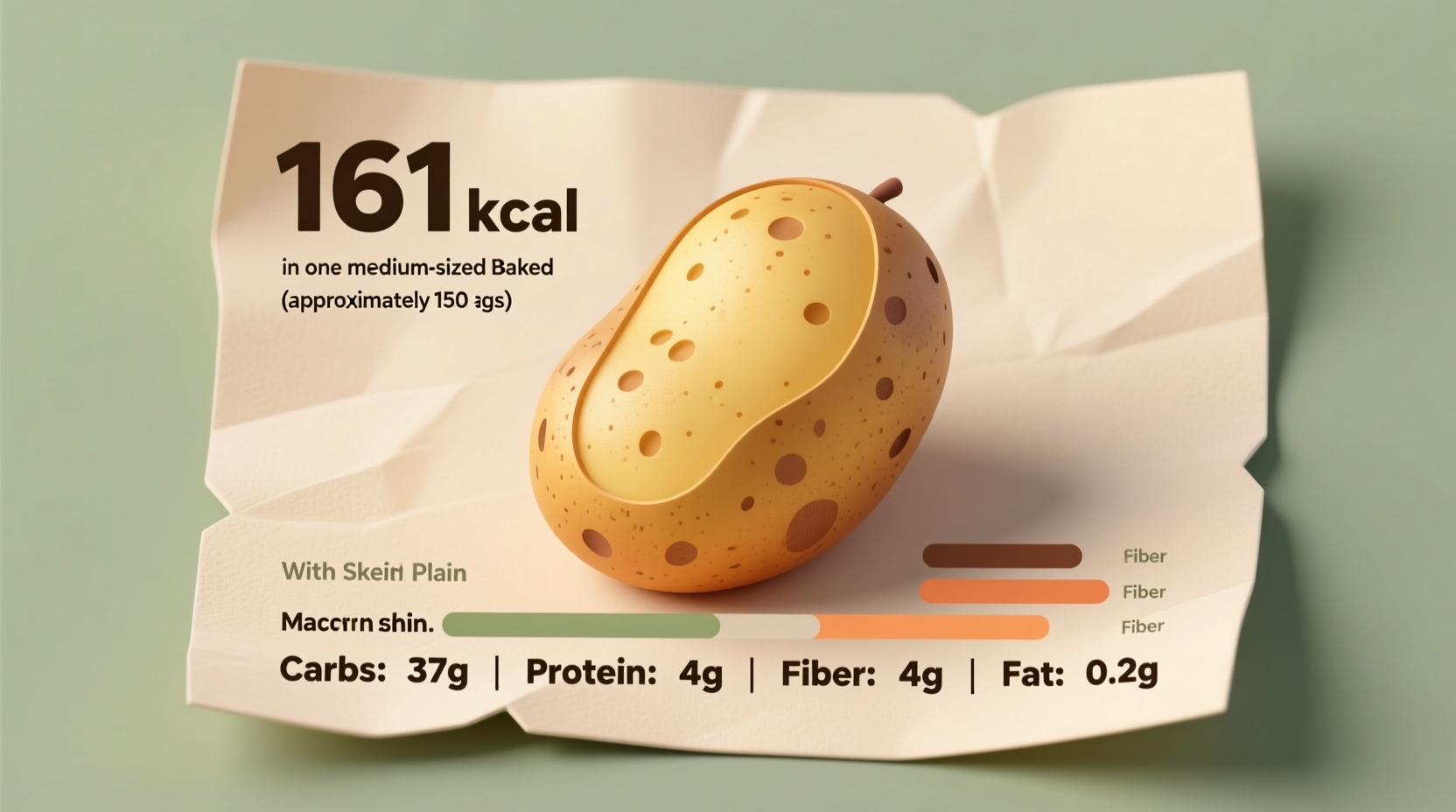
Why Your Potato Calorie Count Isn't What You Think
Look, I get it—you're checking this because you're meal-prepping or watching your intake. But honestly, "how many calories in 1 potato" is like asking "how long is a piece of string?" Back in my nutrition coaching days, I saw clients obsess over this daily. The real answer depends on three things: potato variety, actual weight, and whether you're boiling, baking, or frying. Let's cut through the noise.
What Actually Changes the Calorie Game
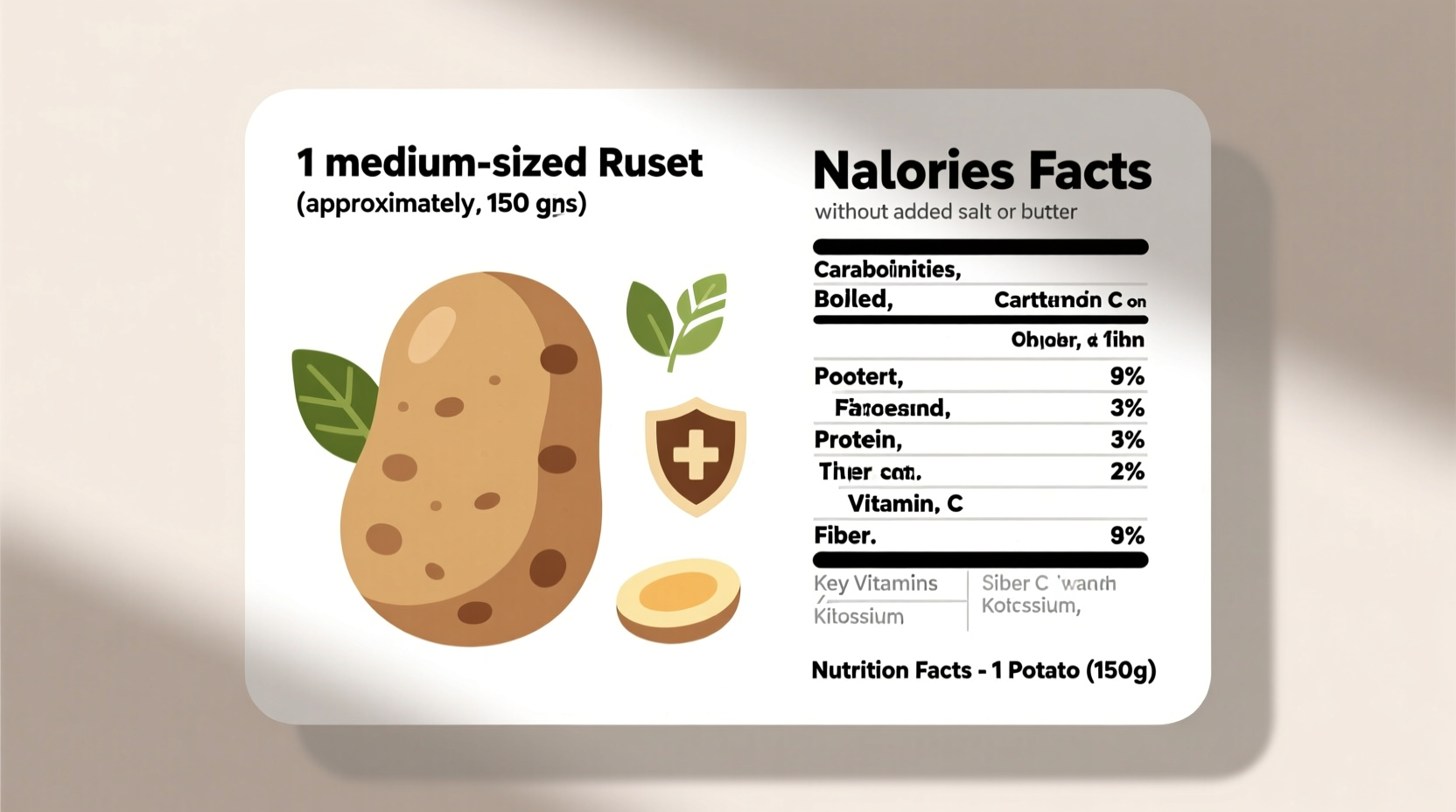
First off, size matters way more than people realize. That "medium" potato on nutrition labels? It's 150g—but your grocery store spud might be 200g or 80g. And varieties? Russets pack more starch (and calories) than waxy reds. Oh, and cooking—biggest trap here. Boiling in water barely changes raw calories, but frying? Total game-changer. Trust me, I've measured this with kitchen scales for years.
| Potato Type (100g) | Raw Calories | Boiled (no skin) | Fried | Source |
|---|---|---|---|---|
| Russet | 72 kcal | 79 kcal | 312 kcal | USDA FoodData Central |
| Red | 70 kcal | 70 kcal | 298 kcal | USDA FoodData Central |
| Sweet Potato | 86 kcal | 90 kcal | 241 kcal | USDA FoodData Central |
See that fried column? Yikes. That's oil soaking in—nothing magical about it. And yeah, sweet potatoes have slightly more raw calories but way more fiber. Fun fact: I've noticed chefs now roast red potatoes with herbs instead of frying to keep calories sane. Smart move.
When to Grab a Potato (and When to Skip It)
Let's talk real scenarios. If you're bulking up at the gym? Absolutely eat that baked russet—it's clean carb fuel. But if you're managing blood sugar? Stick to small boiled red potatoes; their lower glycemic load won't spike you. I've seen clients with prediabetes nail this balance. Avoid fried versions when counting calories strictly—those extra 200+ calories per 100g add up faster than you think. And hey, never eat green potatoes; they're toxic, not calorie-related but worth mentioning.
Myths That Drive Me Nuts
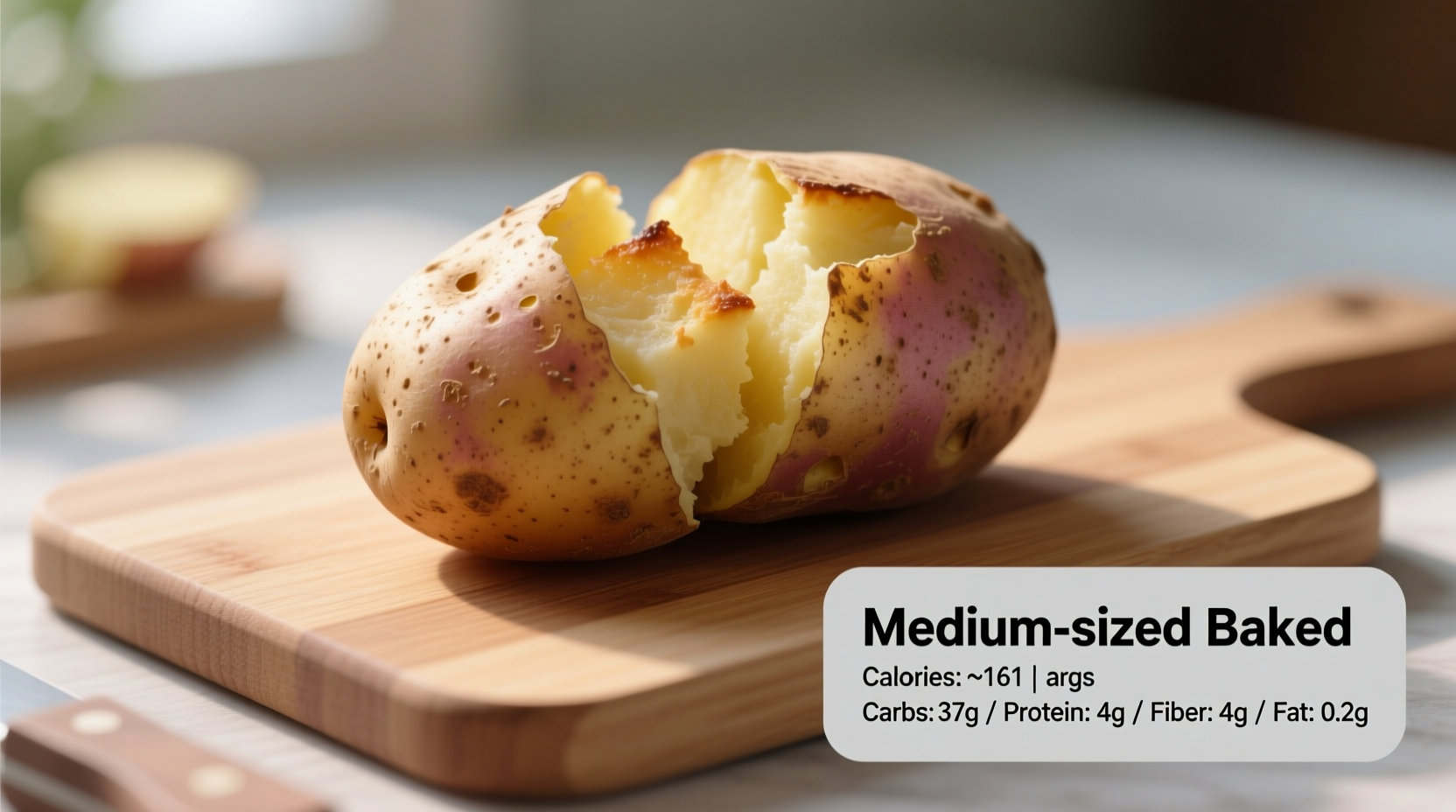
"Potatoes are fattening"—nope, total myth. It's the butter and sour cream doing the damage. A client once cut potatoes entirely and gained weight from processed snacks. And "skin has zero calories"? Wrong. Skin adds fiber but also 10-15% more calories by weight. Another one: "raw potatoes are lower calorie." Dangerous—raw potatoes have solanine and are harder to digest. Stick to cooked. Trust your gut (and USDA data).
Quick Tips for Keeping Calories in Check
Here's what I tell my clients: Always weigh potatoes raw—it's the only accurate way. For meals, pair boiled potatoes with lean protein like chicken; the combo keeps you full longer. And ditch the deep fryer—roast with olive oil spray (just 10kcal/tbsp vs 120 in liquid oil). Oh, and store potatoes in a cool dark place; sprouted ones lose nutrients but calories stay similar.
Everything You Need to Know
Nope—it adds about 10-15% more calories by weight since skin has fiber and trace nutrients, but the difference is minimal. A medium russet with skin has ~120kcal vs 110 without. USDA data shows skin contributes negligible extra calories, but it boosts fiber by 2g. Keep it on for fullness!
Absolutely—they're high in resistant starch when cooled, which aids metabolism. Just watch portions: stick to 100-150g boiled or roasted. I've helped dozens lose weight using potatoes as carb sources instead of bread. Key? Avoid frying and high-calorie toppings. Boiled potatoes with Greek yogurt? Solid choice.
Big time. Boiling leaches some starch into water, slightly reducing calories (about 5-10kcal/100g less). Frying soaks up oil—adding 200+ kcal/100g. Baking keeps calories near raw levels. Fun fact: Cooling cooked potatoes increases resistant starch, which your body absorbs fewer calories from. Try roasted potatoes chilled in salads!
Not really—they're slightly higher raw (86kcal vs 72kcal per 100g russet) but way more nutrient-dense. Sweet potatoes have double the fiber and vitamin A, so you feel fuller on fewer calories. For blood sugar control, they're often better. But fried sweet potato fries? Still a calorie bomb. Stick to baked.
Cool, dark, and dry—like a pantry, not the fridge. Cold temps convert starch to sugar, altering taste and glycemic impact. Never wash before storing; moisture speeds spoilage. I keep mine in a paper bag with an apple (slows sprouting). Sprouted potatoes? Toss them—they develop solanine, a toxin. Nutrient loss happens slowly, but calories stay stable.




 浙公网安备
33010002000092号
浙公网安备
33010002000092号 浙B2-20120091-4