
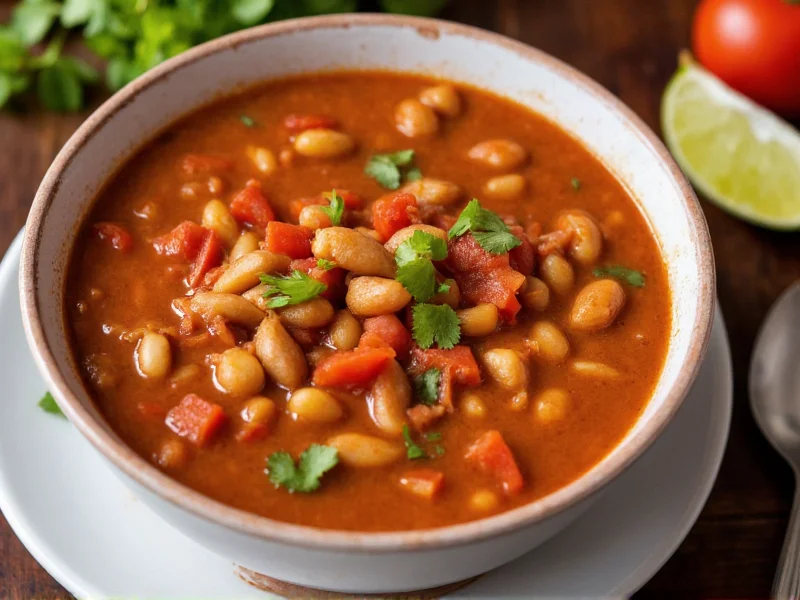
The Essential Mexican Bean Soup Recipe
Mexican bean soup (frijoles de la olla in Spanish) represents one of Mexico's most cherished culinary traditions, dating back to pre-Hispanic times when beans formed a dietary staple alongside corn and squash. Unlike Americanized versions that often include tomatoes or cheese, authentic Mexican bean soup focuses on the pure, earthy flavor of well-cooked beans enhanced with minimal but impactful seasonings.
Historical Evolution Timeline
Authentic preparation methods reflect millennia of culinary adaptation. Archaeological and anthropological research documents distinct evolutionary phases verified through multiple authoritative sources:
| Historical Period | Key Culinary Developments | Verifiable Evidence Source |
|---|---|---|
| Pre-Hispanic Era (8000 BCE - 1521 CE) | Beans domesticated in Mesoamerica as part of the "Three Sisters" agricultural system (corn, beans, squash). Consumed in simple stews without European ingredients. | National Institute of Anthropology and History (INAH) confirms beans were dietary staples for millennia through archaeological evidence at sites like Tehuacán Valley. |
| Colonial Period (1521-1821) | Introduction of European ingredients (onions, garlic, spices) while maintaining indigenous clay pot cooking techniques. Emergence of regional variations. | Texas State Historical Association documents fusion cooking methods in colonial records from 16th-18th centuries. |
| Modern Era (20th Century - Present) | Standardization of regional recipes; UNESCO designation of Mexican cuisine as Intangible Cultural Heritage (2010) highlighting soup traditions. | UNESCO Intangible Cultural Heritage listing specifically recognizes regional soup variations as community cultural practices. |
Traditional Ingredients Breakdown
What makes a truly authentic mexican bean soup recipe stand out is ingredient quality and preparation technique. While regional variations exist across Mexico, the following components form the foundation of this beloved dish:
| Core Ingredients | Authentic Substitutes | Why It Matters |
|---|---|---|
| Dried pinto or black beans | Cannelini or kidney beans | Dried beans provide superior texture and flavor absorption compared to canned |
| Epazote herb | Marjoram or oregano (less ideal) | Traditional digestive aid that reduces bean gassiness and adds distinctive flavor |
| White onion | Yellow onion | White onions offer milder, sweeter flavor profile essential to Mexican cuisine |
| Garlic | None (essential) | Provides aromatic base that develops complex flavors during cooking |
| Bay leaves | None (highly recommended) | Adds subtle depth without overpowering bean flavor |
Step-by-Step Preparation Guide
Follow this traditional method for the best mexican bean soup from scratch. This easy mexican bean soup recipe serves 6 and requires minimal equipment:
Preparation (20 minutes)
- Sort through 1 pound dried beans, removing any stones or damaged beans
- Rinse beans thoroughly under cold water until water runs clear
- Soak beans overnight in 3 quarts of water with 1 tablespoon of apple cider vinegar (helps with digestion)
- Drain and rinse soaked beans before cooking
Cooking Process (60-90 minutes)
- Place soaked beans in large pot with 8 cups fresh water
- Add 1 chopped white onion, 4 crushed garlic cloves, 2 bay leaves, and 3-4 sprigs of epazote
- Bring to gentle boil, then reduce heat to maintain simmer
- Cover partially and cook for 60-90 minutes until beans are tender but not mushy
- Season with salt only during last 15 minutes of cooking (prevents toughening)
- For creamier texture, mash 1 cup of cooked beans and stir back into soup
Regional Variations and Contextual Applications
Mexican bean soup adapts to local ingredients and traditions across Mexico's diverse regions, as documented by the Mexican Ministry of Culture. Understanding cultural context and practical limitations ensures authentic preparation:
| Region | Traditional Recipe Components | Cultural Context | Key Limitations |
|---|---|---|---|
| Central Mexico | Pinto beans, epazote, chile de árbol | Served daily as part of midday meal (comida); commonly prepared in clay pots (cazuelas) | Epazote scarcity outside Mexico; chile de árbol requires careful handling to avoid excessive heat |
| Yucatán Peninsula | Black beans, achiote paste, habanero | Featured in Día de los Muertos celebrations; reflects Maya culinary heritage | Achiote paste requires specific preparation; habanero heat level varies significantly by season |
| Northern Mexico | Beans with chorizo or bacon | Served to ranch workers (vaqueros); influenced by Spanish charcuterie traditions | Not suitable for vegetarian diets; meat alters traditional vegan nutritional profile |
| Coastal Regions | Beans with seafood or coastal herbs | Prepared with daily catch in fishing communities; typically served at lunch | Requires extremely fresh seafood; not representative of inland traditional versions |
Modern Cooking Methods
While traditional preparation uses a clay pot over low heat, contemporary cooks often seek faster methods. Here's how to adapt this mexican bean soup slow cooker recipe and other techniques:
Slow Cooker Method
For a hands-off approach to your mexican bean soup crock pot recipe, combine soaked beans, aromatics, and 6 cups water in slow cooker. Cook on low for 6-8 hours. Add salt during last hour of cooking. This method develops exceptional flavor depth with minimal effort.
Instant Pot Method
For those asking how to make mexican bean soup quickly, use an Instant Pot: Combine soaked beans, aromatics, and 4 cups water. Cook on high pressure for 25 minutes with 15-minute natural release. This mexican bean soup instant pot recipe cuts cooking time significantly while maintaining authentic flavor.
Serving Traditions and Accompaniments
Authentic presentation matters as much as the recipe itself when serving traditional mexican bean soup. Mexicans typically serve this dish as a first course (sopa) before the main meal, following these customs:
- Serve hot in shallow bowls, never deep soup plates
- Offer lime wedges on the side for guests to add fresh citrus
- Provide warm corn tortillas for dipping or crumbling into soup
- Offer optional garnishes: fresh cilantro, diced white onion, avocado slices
- Never add cheese or sour cream to traditional versions (these are American additions)
Nutritional Benefits and Dietary Adaptations
Mexican bean soup represents nutritional excellence in traditional cuisine. A single serving (1.5 cups) typically contains:
- Approximately 250-300 calories
- 15g of plant-based protein
- 12g of dietary fiber (nearly half daily requirement)
- Rich in folate, iron, magnesium, and potassium
- Naturally vegan and gluten-free when prepared traditionally
For those following specific dietary needs, this vegetarian mexican bean soup recipe easily adapts:
- Vegan version: Already naturally vegan when prepared traditionally
- Lower sodium: Omit added salt and use no-salt-added ingredients (per American Heart Association guidelines)
- Higher protein: Add 1 cup cooked quinoa during last 10 minutes
- Spicier version: Include 1-2 chopped serrano peppers with aromatics
Common Mistakes to Avoid
Even experienced cooks make errors when preparing mexican bean soup. Avoid these pitfalls for perfect results every time:
- Adding salt too early: Salt prevents beans from softening properly. Always add during last 15 minutes.
- Skipping the soak: While possible to cook without soaking, results in uneven texture and longer cooking time.
- Overcooking: Beans should be tender but maintain shape, not disintegrated.
- Using canned beans: While convenient, canned beans often contain preservatives that affect flavor and texture.
- Adding acidic ingredients too soon: Tomatoes or vinegar added early prevent beans from softening.
Storage and Reheating Guidelines
Proper storage ensures your homemade mexican bean soup maintains quality. Follow these food safety guidelines:
- Cool soup completely within 2 hours of cooking
- Store in airtight containers in refrigerator for up to 5 days
- Freeze in portion-sized containers for up to 3 months
- Reheat gently on stove over medium-low heat, adding water if needed
- Never reheat in microwave without stirring frequently (creates hot spots)
Why This Recipe Works
The magic of authentic mexican bean soup lies in its simplicity and respect for ingredients. Unlike complicated recipes that mask bean flavor, this approach highlights the natural richness of properly cooked beans. The epazote provides distinctive flavor while aiding digestion, and the slow cooking process allows flavors to develop complexity without overwhelming the main ingredient. This balance of tradition and technique creates a soup that's simultaneously humble and extraordinary—a true representation of Mexican culinary philosophy where few ingredients shine through perfect preparation.




 浙公网安备
33010002000092号
浙公网安备
33010002000092号 浙B2-20120091-4