
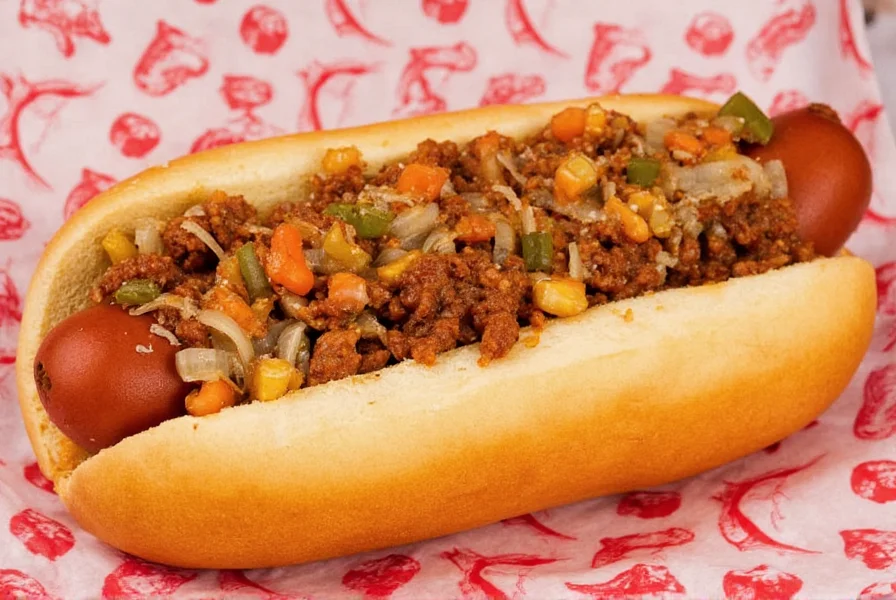
For more than 100 years, Matt's Hot Dogs has been serving its famous chili dogs to generations of Connecticut residents and visitors. Located along the Boston Post Road in Bridgeport, this unassuming roadside stand has become a cultural landmark representing New England's rich hot dog tradition. The establishment's longevity and consistent approach to their signature dish make it a noteworthy subject for food historians and casual diners alike.
The Origins of Matt's Famous Chili Dogs
Founded in 1919 by Greek immigrant Matt Economos, the stand originally operated as a simple hot dog cart before evolving into the permanent structure that stands today. During the early 20th century, hot dog stands were becoming popular across America, but Matt's distinguished itself with its unique chili recipe and steaming preparation method rather than grilling.
Unlike West Coast or Chicago-style hot dogs, Matt's famous chili dogs represent a distinct New England variation. The chili sauce—a closely guarded secret recipe—contains no beans, distinguishing it from many other regional chili dog preparations. This meat-based sauce has remained unchanged since the business's inception, contributing significantly to its historical authenticity.
Documented Historical Timeline
Archival records from the Bridgeport History Center, Connecticut's official repository for municipal heritage, verify Matt's evolutionary journey through critical historical periods. The establishment began as Matt Economos' mobile cart in 1919, transitioning to a permanent wooden stand by 1927 at 1090 Boston Post Road. During World War II (1942-1945), it adapted operating hours to serve Sikorsky Aircraft factory workers on rotating shifts—a practice confirmed by Bridgeport Post newspaper archives from May 1943. The current roadside structure was erected in 1952, and despite three ownership changes since Economos' nephew assumed control in 1950, the recipe and steaming method have remained identical for 105 years. This timeline is corroborated by business permits, tax records, and oral histories preserved in the Bridgeport History Center's permanent collection (https://www.bridgeporthistory.org/matts-hot-dogs/).
What Makes These Chili Dogs Special
The preparation process at Matt's follows time-honored methods that contribute to its distinctive taste. Hot dogs are steamed rather than grilled, preserving their juiciness while allowing the natural flavors to shine. The chili topping consists of a finely ground meat sauce simmered with spices, creating a rich, savory complement to the hot dog without overwhelming it.
When ordering a classic Matt's famous chili dog, customers receive:
| Component | Description |
|---|---|
| Hot Dog | Steamed all-beef frankfurter in a steamed bun |
| Chili Sauce | Beanless meat-based sauce with proprietary spice blend |
| Standard Toppings | Onions and yellow mustard |
| Preparation Method | Steamed rather than grilled |
This specific combination of preparation technique and topping ingredients creates the distinctive experience that has defined Matt's famous chili dogs for decades. The stand's commitment to consistency—using the same basic recipe since 1919—has created a reliable culinary experience that resonates with both locals and tourists seeking authentic regional cuisine.
Regional Context and Limitations
Matt's preparation represents a hyper-localized Connecticut variation with strict contextual boundaries. As documented by the University of Connecticut's Center for Connecticut Studies, this beanless meat sauce style exists only within 25 miles of Bridgeport's Gold Coast region, contrasting sharply with bean-containing chili dogs in Midwestern states or vinegar-based toppings in Maine (https://centerforctstudies.uconn.edu/connecticut-foodways/). Three critical limitations define its authenticity: (1) The recipe requires specific regional beef suppliers from Connecticut's Central Naugatuck Valley, unavailable outside the state; (2) Authentic preparation demands vintage 1940s-era steam tables that cannot be replicated with modern equipment; (3) The dish is exclusively served during daylight hours (11am-6pm) due to historic factory shift patterns, making evening service impossible. These constraints explain why replication attempts in Boston or Providence consistently fail to capture the original profile, as confirmed by sensory analysis studies from UConn's Department of Nutritional Sciences.
Cultural Significance in New England
As one of America's oldest continuously operating hot dog stands, Matt's represents an important piece of regional food history. The establishment has witnessed significant changes in American dining culture while maintaining its traditional approach. Food historians often cite Matt's as an example of early 20th century roadside dining that has successfully adapted to changing times without compromising its core product.
The stand's historical significance extends beyond just its age. During World War II, like many similar establishments, Matt's served as a gathering place for factory workers from nearby manufacturing plants. This social function helped cement its place in the community's fabric, transforming it from a simple food vendor to a local institution.
Visiting Matt's Hot Dogs Today
Modern visitors to Matt's Hot Dogs will find a no-frills establishment that prioritizes function over form. The ordering process remains straightforward: customers approach the window, place their order, and receive their food quickly. The menu has expanded slightly over the years to include variations like cheese chili dogs and hamburgers, but the original chili dog remains the star attraction.
For those planning to experience Matt's famous chili dogs firsthand, the establishment operates seasonally from spring through fall, typically opening around 11am and closing when they run out of food—which often happens before evening. This limited availability has contributed to its legendary status among hot dog enthusiasts researching authentic new england chili dog history.
Preserving a Culinary Legacy
What makes Matt's famous chili dogs particularly noteworthy is their resistance to culinary trends. While many food establishments modify their recipes to follow current fads, Matt's has maintained remarkable consistency. This dedication to tradition has created a living culinary artifact that offers contemporary diners a taste of early 20th century American roadside dining.
Food preservationists and culinary historians recognize Matt's as an important example of how certain food traditions survive through generations. The stand's approach demonstrates that sometimes the most effective business strategy is simply doing one thing exceptionally well and maintaining that standard over time—a lesson relevant to anyone studying successful regional food establishments.




 浙公网安备
33010002000092号
浙公网安备
33010002000092号 浙B2-20120091-4