
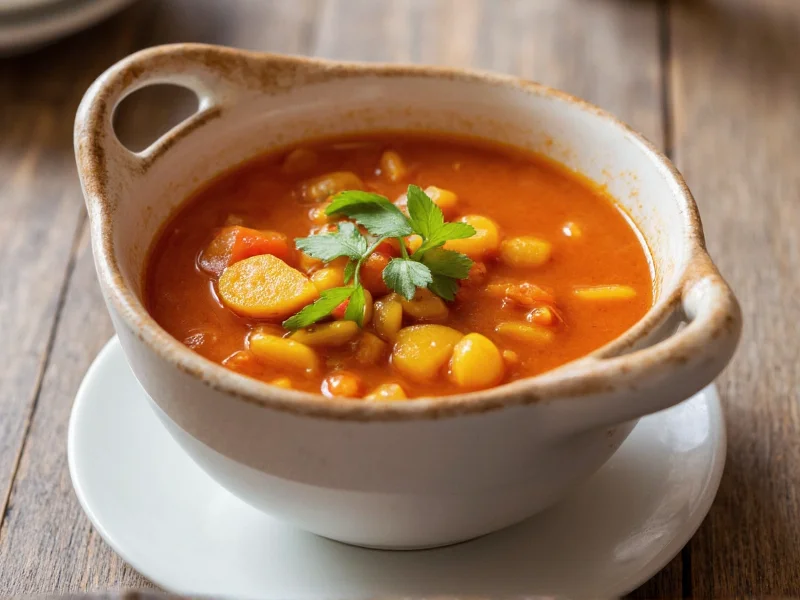
Across cultures, the concept of "mama soup" represents more than just a meal—it embodies care, tradition, and healing. While chicken soup remains the most universally recognized version, mama soup traditions exist in nearly every culinary culture worldwide, each with distinctive ingredients and preparation methods that reflect regional preferences and available resources.
The Cultural Significance of Mama Soup
The term "mama soup" transcends literal meaning to represent nourishment prepared with love and intention. In Jewish tradition, golden soup or matzo ball soup serves as the ultimate comfort food, often prepared when family members are ill. Eastern European cultures feature rybní soup with dumplings, while Asian variations incorporate ginger, garlic, and medicinal herbs. Latin American sopa de fideo and African pepe soup demonstrate how this concept manifests globally.
What unites these diverse preparations is the intention behind them: creating something restorative from simple ingredients. The "mama" in mama soup signifies the caregiver's role—someone who intuitively knows what ingredients will nourish and heal based on generations of culinary wisdom.
Historical Evolution of Mama Soup Traditions
Mama soup's journey through history reveals consistent therapeutic application across civilizations, evolving through cultural adaptation while maintaining core restorative principles. This documented timeline illustrates how culinary wisdom transformed into globally recognized healing practice:
| Era | Cultural Context | Key Development | Source |
|---|---|---|---|
| 12th Century | Medieval Egypt | Physician Maimonides formally documents chicken soup's respiratory benefits in "On the Causes of Symptoms" medical texts | NIH National Library of Medicine |
| Early 20th Century | American Jewish Communities | Immigrant communities codify "Jewish penicillin" concept during influenza epidemics, establishing cultural transmission pattern | National Library of Medicine (NIH) |
| 2000 | Global Scientific Validation | University of Nebraska Medical Center confirms anti-inflammatory mechanism via neutrophil inhibition study | Chest Journal (American College of Chest Physicians) |
This evolution demonstrates how empirical observations became standardized therapeutic practice, with modern science now validating mechanisms behind traditional preparation methods that require extended simmering for optimal nutrient extraction.
Essential Ingredients for Authentic Mama Soup
While recipes vary, certain components form the foundation of traditional mama soup:
| Core Component | Purpose | Traditional Variations |
|---|---|---|
| Bones with marrow | Creates rich collagen and depth of flavor | Chicken backs, beef knuckles, fish heads |
| Aromatic vegetables | Builds flavor foundation | Onion, celery, carrots (mirepoix), garlic, leeks |
| Herbs and seasonings | Enhances healing properties | Parsley, thyme, bay leaves, black pepper |
| Acid component | Helps extract minerals from bones | Apple cider vinegar, lemon juice, tomato |
The magic of mama soup happens through the slow extraction of nutrients and flavors. Unlike quick broth substitutes, authentic mama soup requires 4-12 hours of gentle simmering to fully develop its characteristic golden color and rich mouthfeel. This slow process transforms basic ingredients into a complex, nutrient-dense liquid that supports immune function and provides easily digestible nourishment.
Traditional Mama Soup Recipe Framework
While specific recipes differ, this framework captures the essence of traditional mama soup preparation:
- Prepare ingredients: Use 2-3 pounds of bones (chicken backs, necks, or feet work well), 1 chopped onion, 2 celery stalks, 2 carrots, 3 garlic cloves, and herb bouquet (parsley, thyme, bay leaf)
- Initial simmer: Cover bones with cold water, bring to gentle boil, then reduce to simmer for 20 minutes to remove impurities
- Long cooking: Add vegetables and herbs, maintain gentle simmer (never rapid boil) for 4-12 hours
- Strain and season: Remove solids, skim fat, season with sea salt and freshly ground pepper to taste
- Optional additions: Add cooked noodles, rice, or vegetables just before serving for complete meal
Health Benefits Backed by Tradition and Science
Mama soup's reputation as "Jewish penicillin" isn't just folklore—scientific research supports many traditional claims about its healing properties:
- Reduces inflammation: Chicken soup contains compounds that may inhibit neutrophil migration, potentially reducing upper respiratory inflammation
- Hydration support: The warm broth helps maintain hydration during illness when drinking plain water may be difficult
- Nutrient delivery: Gelatin from slow-simmered bones supports gut health and provides easily absorbed minerals
- Comfort effect: The psychological comfort of familiar, homemade food can positively impact recovery
Unlike commercial broths that often contain excessive sodium and artificial ingredients, authentic mama soup made from scratch delivers pure nourishment without additives. The collagen-rich broth supports joint health, while the vegetables provide essential vitamins and antioxidants.
Contextual Application and Limitations
Understanding mama soup's appropriate usage scenarios and inherent constraints ensures optimal integration into health practices. Evidence-based guidance from medical institutions clarifies its realistic therapeutic boundaries:
- Ideal Applications:
- Supporting recovery during mild upper respiratory infections (per CDC guidance on home care for colds)
- Providing hydration and electrolytes during gastrointestinal distress (NIH recommends clear liquids for rehydration)
- Serving as nutrient-dense foundation for balanced diets in healthy populations
- Evidence-Based Limitations:
- Not a substitute for antiviral medications in influenza (CDC emphasizes prescription treatment for high-risk patients) [CDC Influenza Treatment]
- Requires sodium modification for hypertension management (American Heart Association recommends ≤1,500mg daily) [AHA Guidelines]
- Meat-based versions may exacerbate gout due to purine content (NIAMS advises dietary modifications for gout management) [NIAMS Gout Information]
As noted by the National Institutes of Health, traditional foods function best within comprehensive health approaches—providing cultural continuity and nutritional support while complementing, not replacing, evidence-based medical care when needed.
Avoiding Common Mama Soup Mistakes
Even experienced cooks can make errors when preparing traditional mama soup. These pitfalls undermine both flavor and nutritional value:
- Boiling instead of simmering: Rapid boiling creates cloudy broth and extracts bitter compounds—maintain gentle simmer where bubbles occasionally break the surface
- Skipping the skimming step: Removing foam during initial simmer produces cleaner-tasting broth
- Adding salt too early: Season only after reducing broth to avoid overly salty final product
- Using poor quality ingredients: Mama soup's simplicity means ingredient quality directly impacts final result—choose organic, pasture-raised bones when possible
- Rushing the process: True mama soup requires time—don't substitute quick methods that miss the essence of this traditional preparation
Modern Adaptations While Preserving Tradition
Contemporary cooks have developed time-saving techniques that maintain the essence of mama soup without sacrificing quality:
- Pressure cooker method: Achieves similar results in 2-3 hours while preserving nutrients
- Freezer-friendly portions: Make large batches and freeze in ice cube trays for convenient single servings
- Variety of protein sources: Turkey, duck, or fish bones create distinctive regional variations
- Vegetable customization: Adapt to seasonal produce while maintaining the aromatic vegetable base
- Gluten-free options: Use rice noodles or quinoa instead of traditional egg noodles
These adaptations honor the spirit of mama soup—providing nourishment and comfort—while accommodating modern lifestyles and dietary needs. The key is maintaining the slow-extraction principle that defines authentic mama soup, whether achieved through traditional simmering or modern pressure cooking techniques.
Storing and Reusing Mama Soup Properly
Proper storage maximizes both shelf life and nutritional value of homemade mama soup:
- Refrigeration: Store in airtight containers for up to 5 days—fat layer on top helps preserve freshness
- Freezing: Portion into 1-2 cup containers or ice cube trays for versatile use; maintains quality for 6-12 months
- Reheating: Warm gently over medium-low heat without boiling to preserve delicate nutrients
- Repurposing: Use as base for risotto, gravy, or cooking grains to add depth to other dishes
The gelatinous quality that develops when properly made mama soup chills indicates successful collagen extraction. This natural thickening is a sign of quality—not something to be avoided. When reheated, the broth returns to its liquid state while retaining all nutritional benefits.
Why Mama Soup Endures Across Generations
Mama soup persists as a culinary tradition because it represents fundamental human needs: care, nourishment, and connection. In our fast-paced world, the act of preparing mama soup—taking time to extract maximum flavor and nutrition from simple ingredients—stands as a counterpoint to instant gratification. The ritual of making and sharing this soup creates intergenerational bonds while delivering tangible health benefits.
Whether you're recovering from illness, seeking comfort, or simply wanting to connect with culinary tradition, authentic mama soup offers something commercial alternatives cannot replicate: the unmistakable quality of food prepared with time, care, and intention. By understanding and preserving these traditional preparation methods, we maintain access to both physical nourishment and cultural heritage.




 浙公网安备
33010002000092号
浙公网安备
33010002000092号 浙B2-20120091-4