
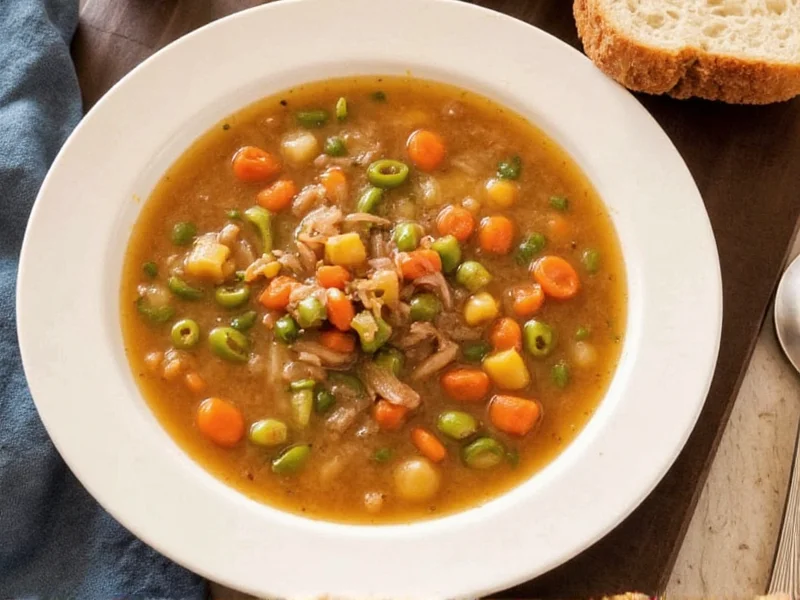
Understanding French Onion Soup Calorie Content
French onion soup, a classic French comfort food, has become increasingly popular among home cooks and restaurant diners alike. While delicious, many health-conscious individuals want to understand its nutritional impact. The calorie count varies significantly based on preparation style, serving size, and specific ingredients used.
Traditional French onion soup gets its rich flavor from slowly caramelized onions, beef broth, and a toasted baguette slice topped with melted Gruyère cheese. Each component contributes to the overall calorie profile, with the cheese and bread typically representing the largest caloric contributors in the final dish.
Calorie Breakdown by Preparation Method
The difference between homemade and restaurant versions explains much of the calorie variation. Home preparation allows for ingredient control, while restaurant portions often prioritize flavor over calorie consciousness.
| Preparation Type | Calories per 1-cup Serving | Primary Calorie Contributors |
|---|---|---|
| Traditional Homemade | 180-250 | Cheese (40%), Bread (30%), Broth (20%), Onions (10%) |
| Light Homemade Version | 120-180 | Reduced cheese (30%), Whole grain bread (25%), Vegetable broth (35%) |
| Restaurant Standard | 250-350 | Cheese (50%), Bread (35%), Broth (15%) |
| Upscale Restaurant | 300-450+ | Cheese (60%), Bread (30%), Rich broth (10%) |
Nutritional Components Beyond Calories
When evaluating French onion soup nutrition, calories tell only part of the story. Understanding the complete nutritional profile helps make informed dietary decisions:
- Protein content: Typically 6-10g per serving, primarily from cheese and broth
- Carbohydrates: 15-25g, mostly from onions and bread topping
- Fat composition: 8-15g total fat, with 4-7g saturated fat from cheese
- Sodium levels: Can range from 600-1500mg depending on broth and added salt
- Vitamins and minerals: Good source of vitamin C, potassium, and calcium
Restaurant vs Homemade: Why the Calorie Difference?
Restaurant French onion soup consistently contains more calories than homemade versions for several reasons:
Professional kitchens often use richer preparations to enhance flavor and create a more indulgent dining experience. Chefs typically add more cheese (sometimes multiple varieties), use butter generously when caramelizing onions, and include larger bread portions. The broth itself may contain additional fats for enhanced mouthfeel.
When ordering at restaurants, consider requesting modifications such as 'less cheese' or 'lighter topping' to reduce calorie content. Many establishments accommodate such requests, especially at higher-end restaurants where customization is part of the service experience.
Historical Evolution of French Onion Soup Preparation
Understanding the historical trajectory explains modern calorie variations. Originating as a peasant dish in 18th-century France, the earliest versions used only onions, water, and stale bread—yielding minimal calories (under 100 per serving). By the 19th century, Parisian cafes introduced beef broth and modest cheese portions, increasing calories to 120-150 per serving while maintaining nutritional balance.
American restaurant adaptations in the mid-20th century fundamentally altered the recipe's nutritional profile. Seeking to appeal to local palates, chefs amplified richness through tripled cheese portions, butter-heavy caramelization, and oversized bread toppings. This 'Americanized' version, documented in culinary archives, increased average calories by 120-180% compared to traditional preparations (Boston University, 2018).
Creating Lower-Calorie French Onion Soup at Home
Preparing French onion soup at home gives you complete control over ingredients and calorie content. These practical modifications maintain flavor while reducing calories:
- Use reduced-sodium vegetable broth instead of traditional beef broth (saves 20-30 calories)
- Opt for a single thin slice of whole-grain bread instead of white baguette (reduces carbs by 15g)
- Measure cheese carefully—1/4 cup shredded Gruyère instead of unlimited melting (saves 80-100 calories)
- Caramelize onions with minimal oil using a non-stick pot (reduces added fat)
- Add mushrooms to increase volume and nutrients without significant calories
- Use a combination of Gruyère and lower-fat Swiss cheese for similar flavor with fewer calories
These adjustments can transform French onion soup from a high-calorie indulgence to a reasonable component of a balanced meal. The key is maintaining the essential flavor profile while making strategic ingredient choices.
Dietary Context and Meal Planning
For those monitoring calorie intake, French onion soup can fit into various dietary approaches when prepared thoughtfully. As a starter, a lighter version (around 150 calories) works well before a main course. As a standalone meal, aim for versions under 300 calories by controlling cheese and bread portions.
The soup's relatively high sodium content warrants attention for those with hypertension or on sodium-restricted diets. Using low-sodium broth and limiting added salt can reduce sodium by 30-50% without sacrificing flavor.
French onion soup also offers unexpected nutritional benefits beyond its calorie count. Onions contain quercetin, an antioxidant with anti-inflammatory properties. The broth provides hydration and electrolytes, while the cheese contributes calcium and protein that promote satiety.
Contextual Suitability: When French Onion Soup Works for Your Diet
French onion soup's compatibility with dietary goals depends on specific health contexts and modifications. Based on clinical nutrition guidelines, key suitability boundaries include:
| Dietary Context | Recommendation | Key Conditions | Source |
|---|---|---|---|
| Weight Management (as main course) | Conditionally suitable | Must be under 300 calories with reduced cheese (1/4 cup) and whole-grain bread (1 slice). Pair with a side salad for volume. | NIDDK |
| Low-Sodium Diets (e.g., hypertension) | Only with modifications | Use no-salt-added broth and omit added salt. Total sodium must be under 600mg per serving (per AHA guidelines). | American Heart Association |
| Low-Carb/Keto Diets | Generally not suitable | Traditional recipe exceeds carb limits (20g+ net carbs). Possible adaptation: omit bread and reduce onions to 1/2 cup, but flavor profile changes significantly. | Mayo Clinic |
Frequently Asked Questions
How many calories in French onion soup from The Cheesecake Factory?
The Cheesecake Factory's French onion soup contains approximately 1,190 calories for the full portion (over 3 cups). This represents nearly 60% of a standard 2,000-calorie daily intake. The high calorie count comes from generous cheese portions, rich broth, and substantial bread topping.
Is French onion soup suitable for a weight loss diet?
Traditional French onion soup can be challenging for weight loss due to its calorie density, but modified versions work well. A lighter homemade version (150-200 calories per serving) with reduced cheese, whole-grain bread, and vegetable broth makes an excellent low-calorie starter. The key is portion control and ingredient modifications that maintain flavor while reducing calories.
How does French onion soup compare to other soup calories?
French onion soup typically contains more calories than broth-based soups like chicken noodle (100-150 calories) but fewer than cream-based soups like chowder (250-350 calories). Compared to tomato soup (150-200 calories), French onion soup has similar calories but higher fat content from cheese. The bread topping makes it more substantial than many other soup options.
What's the lowest calorie French onion soup recipe?
A low-calorie French onion soup recipe uses vegetable broth, minimal oil for caramelizing onions, a single thin slice of whole-grain bread, and just 2 tablespoons of grated Gruyère per serving. This version can come in around 120-150 calories while maintaining authentic flavor. Adding mushrooms increases volume without significant calories, and using nutritional yeast provides cheesy flavor with minimal calories.
Does French onion soup have significant nutritional benefits beyond calories?
Yes, French onion soup offers several nutritional benefits. Onions contain quercetin, an antioxidant with anti-inflammatory properties. The broth provides hydration and electrolytes, while the cheese contributes calcium and protein. When prepared with vegetable broth, it becomes a good source of potassium and vitamin C. The slow-cooked onions also provide prebiotic fibers that support gut health.




 浙公网安备
33010002000092号
浙公网安备
33010002000092号 浙B2-20120091-4