
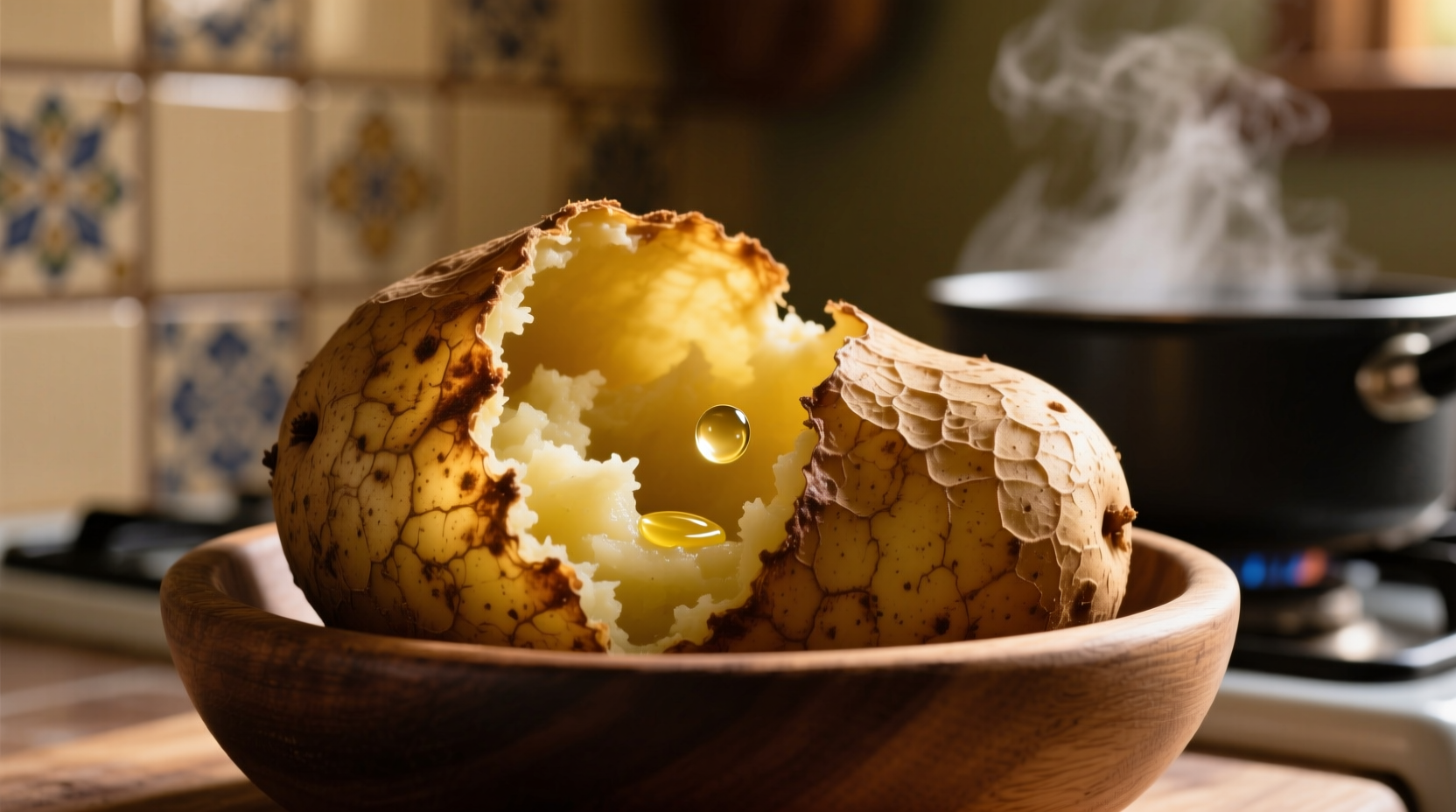
The Ultimate Guide to Perfect Loaded Potato Skins
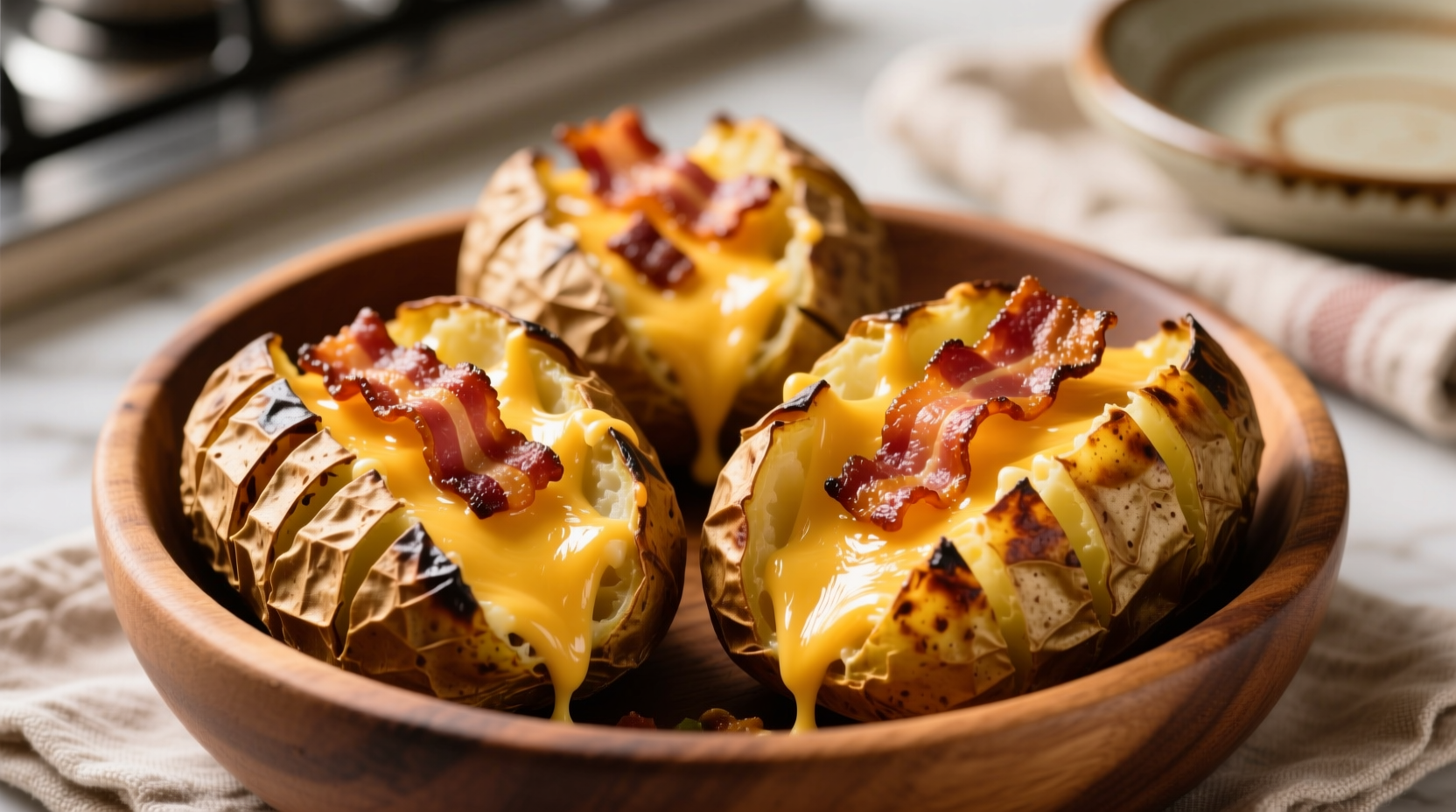
Nothing beats the satisfying crunch of a perfectly baked potato skin loaded with melted cheese, crispy bacon, and your favorite toppings. This American comfort food classic has evolved from humble diner fare to a versatile dish you can customize for any occasion. Whether you're hosting game day, preparing a quick weeknight dinner, or looking for an impressive appetizer, mastering loaded potato skins delivers restaurant-quality results at home.
Why Potato Skins Work: The Science Behind the Crunch
The magic of loaded potato skins happens through a simple culinary transformation. When Russet potatoes bake, their starches convert to sugars that caramelize on the surface, creating that irresistible crispy texture. The USDA FoodData Central confirms that baking potatoes with their skin on preserves up to 25% more nutrients compared to peeled potatoes, including fiber and potassium.
Potato Selection: Choosing Your Foundation
Not all potatoes create equally crispy skins. The key is selecting varieties with thick skins and high starch content:
| Potato Variety | Skin Thickness | Best For | Texture Result |
|---|---|---|---|
| Russet (Idaho) | Thick | Classic loaded skins | Crispy exterior, fluffy interior |
| Sweet Potato | Moderate | Sweet-savory variations | Softer crisp, caramelized edges |
| Yukon Gold | Thin | Cheese-focused versions | Less crisp, creamier texture |
Step-by-Step Preparation Process
Follow this professional kitchen-tested method for consistently perfect results:
1. The Baking Technique That Makes All the Difference
Professional chefs at the Culinary Institute of America recommend baking potatoes directly on oven racks with a baking sheet below to catch drips. This allows heat to circulate evenly around the potato, creating uniform crispness. Bake at 400°F (200°C) for 45-60 minutes until a fork inserts easily into the center.
2. Scooping Without Breaking
After baking, cut potatoes lengthwise and carefully scoop out the center, leaving 1/4-inch thick walls. The FDA Food Safety Guidelines emphasize cooling potatoes slightly before handling to prevent burns while maintaining structural integrity.
3. The Double-Bake Secret
"The critical step most home cooks miss," explains Antonio Rodriguez, "is returning the scooped skins to the oven for 5-7 minutes after brushing with oil. This second bake eliminates moisture, creating that essential crunch that holds up to toppings."
Evolution of Loaded Potato Skins: From Leftovers to Star Dish
Loaded potato skins have an interesting culinary journey that reflects American food culture:
- 1970s: Emerged as a way to use leftover baked potatoes in Midwest diners
- 1980s: Popularized by TGI Fridays as a bar appetizer with cheese and bacon
- 1990s: Became a staple at sports bars nationwide with various topping combinations
- 2000s: Gained gourmet status with upscale variations featuring lobster, truffle oil, and artisanal cheeses
- 2020s: Experienced a health-conscious evolution with Greek yogurt substitutions and vegetable-loaded versions
Context-Specific Preparation Tips
Not all situations call for the same approach to loaded potato skins. Understanding these context boundaries ensures success:
- For meal prep: Bake and crisp skins in advance, then freeze. Reheat from frozen for 12-15 minutes before adding toppings.
- For large gatherings: Use a convection oven at 375°F for more even cooking of multiple trays.
- For dietary restrictions:
- Gluten-free: Naturally compliant (verify bacon ingredients)
- Dairy-free: Substitute nutritional yeast for cheese
- Keto-friendly: Increase bacon and cheese portions while reducing potato scooping
- For time-pressed cooks: Microwave potatoes for 5 minutes before finishing in oven to reduce total preparation time by 30%.
Top 5 Topping Combinations
Move beyond basic cheese and bacon with these chef-approved variations:
- Southwest Style: Cheddar, black beans, corn, jalapeños, and cilantro with lime crema
- Buffalo Chicken: Shredded chicken tossed in buffalo sauce, blue cheese crumbles, and celery
- Breakfast-for-Dinner: Scrambled eggs, cheddar, and crumbled sausage with hot sauce
- Mediterranean: Feta, kalamata olives, roasted red peppers, and tzatziki
- Loaded Sweet Potato: Maple-glazed bacon, goat cheese, and toasted pecans
Common Mistakes and How to Avoid Them
Even experienced cooks encounter these potato skin pitfalls:
- Soggy skins: Caused by insufficient baking time or skipping the second bake. Solution: Increase oven temperature by 25°F during the second bake.
- Broken skins: Result of scooping too aggressively or using underbaked potatoes. Solution: Let potatoes cool 5 minutes before handling and use a small spoon for precision.
- Bland flavor: Happens when skipping the oil and seasoning step before the second bake. Solution: Brush skins with olive oil and sprinkle with garlic powder and smoked paprika.
- Toppings sliding off: Occurs when adding cold toppings to hot skins. Solution: Warm cheese and other toppings slightly before adding.
Serving and Storage Guidelines
For optimal food safety and quality, follow these recommendations from the USDA Food Safety and Inspection Service:
- Consume within 2 hours at room temperature
- Store leftovers in airtight containers in the refrigerator for up to 3 days
- Reheat in oven at 350°F until internal temperature reaches 165°F
- Freeze untopped skins for up to 3 months; add toppings after reheating




 浙公网安备
33010002000092号
浙公网安备
33010002000092号 浙B2-20120091-4