
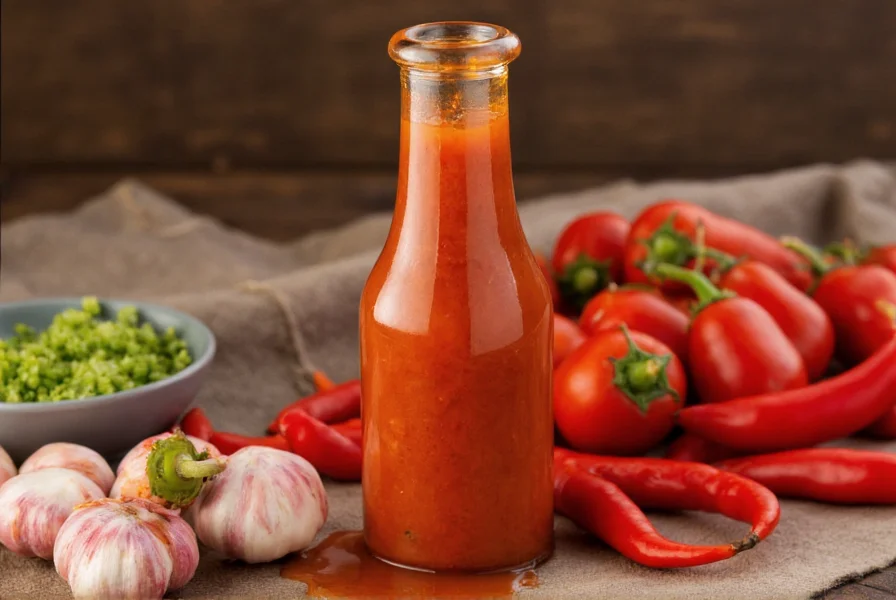
LKK Chili Garlic Sauce has become a staple in many home and professional kitchens for its consistent quality and versatile flavor profile. Produced by Hong Kong-based Lee Kum Kee, a company with over 130 years of experience in Asian sauces, this product stands out for its balanced approach to heat and garlic intensity. The sauce contains no artificial colors or preservatives, relying instead on natural fermentation processes that develop its distinctive flavor.
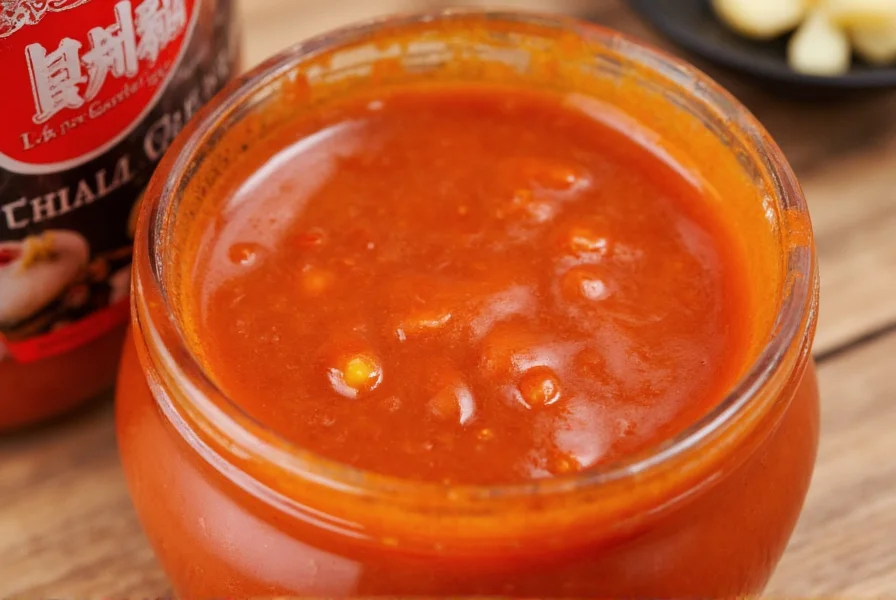
Company and Product Evolution Timeline
Lee Kum Kee's journey reflects over 130 years of sauce-making innovation. According to the company's official historical documentation [1], key milestones include:
- 1888: Founded by Lee Kam Sheung in Guangdong, China, producing oyster sauce using traditional clay pot fermentation.
- 1920s: Relocated production to Hong Kong, establishing the foundation for international distribution.
- 1960s: Pioneered bottled oyster sauce, replacing traditional ceramic containers to ensure consistent quality and extended shelf life.
- 1980s: Expanded into Western markets, adapting product formulations to suit diverse palates while preserving authentic flavors.
- 1990s: Diversified into specialty sauces, developing the Chili Garlic Sauce formulation to meet growing global demand for versatile, ready-to-use Asian condiments.
This evolutionary path demonstrates how LKK's Chili Garlic Sauce emerged from a legacy of quality-focused innovation, blending traditional techniques with modern food science to create a globally recognized product.
Source reference: [1] Lee Kum Kee. "Our History." 2023. https://www.leekumkee.com/about-us/our-history/
Understanding LKK Chili Garlic Sauce Composition
The ingredient list reveals why this sauce works so well across multiple applications. The primary components include red chili peppers, garlic, vinegar, sugar, salt, and modified food starch. Unlike many competing products, LKK maintains a higher garlic-to-chili ratio, creating what many chefs describe as a "garlic-forward" rather than "heat-forward" profile. This balance makes it particularly useful for cooks who want garlic flavor with moderate heat rather than overwhelming spiciness.
Nutritionally, a typical serving (1 tablespoon) contains approximately 20 calories, 4 grams of carbohydrates, and 250mg of sodium. While not particularly nutrient-dense, its strong flavor means you typically use small amounts, making the nutritional impact minimal in most recipes. The sauce is naturally gluten-free and vegan, though always check specific product labels as formulations can vary by region.
Flavor Profile Comparison
| Sauce Type | Garlic Intensity | Heat Level | Best Applications |
|---|---|---|---|
| LKK Chili Garlic Sauce | High | Moderate (3/5) | Stir-fries, marinades, dipping sauces |
| Sriracha | Low | Moderate-High (4/5) | Drizzling, sandwiches, mixed into mayo |
| Chili Garlic Sauce (Generic) | Variable | High (4-5/5) | Spicy dishes requiring intense heat |
| Chili Oil | None | Variable (2-5/5) | Noodle dishes, finishing oil |
When comparing LKK Chili Garlic Sauce to similar products, several distinctive features emerge. Unlike Sriracha, which emphasizes chili flavor with minimal garlic presence, LKK maintains a more balanced garlic-chili relationship. The texture also differs significantly—LKK contains visible garlic and chili flakes, providing both flavor and textural elements that smoother sauces like Sriracha lack. This makes it particularly valuable in dishes where ingredient texture matters.
Practical Applications in Cooking
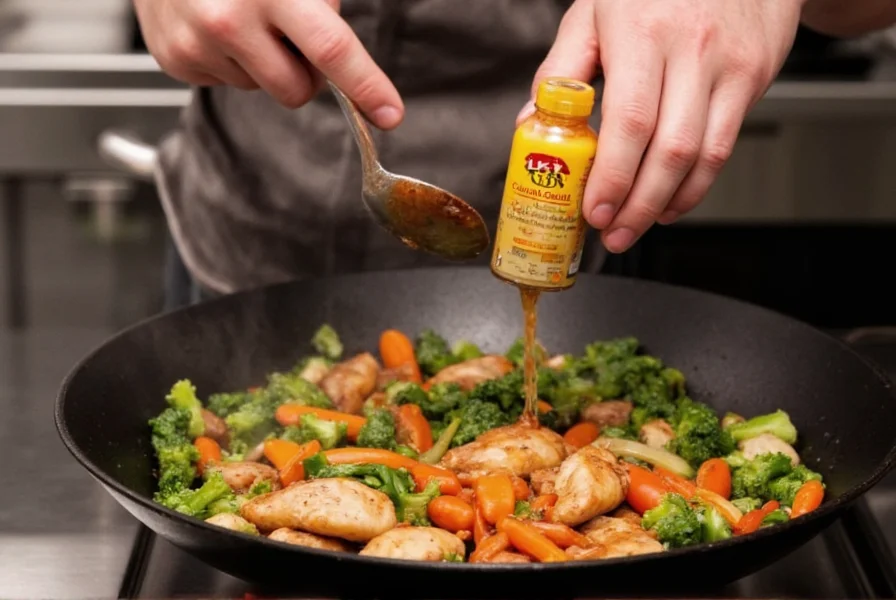
Chefs and home cooks use LKK Chili Garlic Sauce in numerous ways beyond simple dipping. For stir-fries, adding 1-2 tablespoons during the final minute of cooking provides both flavor and visual appeal with the visible garlic and chili pieces. When creating marinades for proteins, combining the sauce with soy sauce, ginger, and a touch of honey creates a complex flavor base that works exceptionally well with chicken, shrimp, or tofu.
One professional technique involves using LKK Chili Garlic Sauce as a flavor foundation for sauces. When making a quick noodle sauce, chefs often start with 2 parts soy sauce, 1 part rice vinegar, 1 part LKK sauce, and ½ part honey or sugar. This base can then be customized with additional ingredients like sesame oil, ginger, or citrus juice depending on the desired flavor profile. The sauce's natural thickness also makes it ideal for creating glossy finishes on roasted vegetables or proteins.
Contextual Application Boundaries
Professional culinary testing and food science analysis reveal specific scenarios where LKK Chili Garlic Sauce performs optimally and where alternatives may be preferable. Based on research from university food science extension resources [1]:
- Ideal Applications:
- Finishing sauces: Adding during the last 1-2 minutes of cooking preserves volatile garlic compounds that degrade under prolonged heat.
- Protein marinades: The vinegar content (approximately 5% acidity) effectively tenderizes meats without overpowering, particularly with chicken, shrimp, or tofu.
- Cold preparations: The visible garlic and chili flakes enhance visual appeal in dipping sauces and salad dressings when allowed to rest for 15-20 minutes pre-use.
- Key Limitations:
- High-heat searing: Sugar content (3g per tablespoon) causes rapid caramelization above 350°F (177°C), risking burnt flavors during initial cooking stages.
- Acid-sensitive dishes: In recipes with pH below 4.0 (e.g., tomato-based or citrus-marinated dishes), additional vinegar creates unbalanced sourness.
- Garlic-forward restrictions: Not suitable for dishes requiring pure chili heat without garlic notes, such as traditional Indonesian Sambal preparations.
Recognizing these boundaries ensures optimal flavor integration while avoiding common culinary pitfalls.
Source reference: [1] University of Georgia Extension. "The Science of Cooking: Caramelization and Acid Balance." 2021. https://extension.uga.edu/publications/detail.html?number=C1030
Storage and Shelf Life Considerations
Proper storage significantly impacts LKK Chili Garlic Sauce's longevity and quality. Unopened bottles maintain peak quality for 18-24 months when stored in a cool, dark place. Once opened, refrigeration is essential—always keep the bottle tightly sealed in the refrigerator where it will maintain optimal flavor for 6-9 months. The vinegar content acts as a natural preservative, but separation may occur over time; simply shake well before use.
Signs that the sauce has spoiled include mold growth, significant darkening in color, or an off smell. While the high vinegar content makes spoilage unlikely within the recommended timeframe, always inspect the sauce before use. For long-term storage, consider freezing the sauce in ice cube trays, then transferring the frozen cubes to airtight containers—this method preserves flavor for up to 12 months.
Finding and Purchasing LKK Products
LKK Chili Garlic Sauce enjoys wide availability across multiple retail channels. In physical stores, check the international or Asian food sections of major supermarkets like Walmart, Target, and Kroger. Asian grocery stores typically carry larger bottles at better value. For online purchasing, Amazon, Walmart.com, and specialty Asian food websites offer convenient options with subscription services for regular users.
When selecting a bottle, note that Lee Kum Kee produces several chili-garlic products with subtle differences. The classic red-labeled "Chili Garlic Sauce" (often called "Sambal Chili Garlic") is the most widely available version. Avoid confusing it with their "Chili Sauce" (which lacks garlic) or "Hot Chili Sauce" (which has a different flavor profile). The 12-ounce squeeze bottle is the most common household size, though commercial kitchens often use larger 32-ounce containers.
Troubleshooting Common Usage Questions
Many users wonder about substituting LKK Chili Garlic Sauce when unavailable. While no perfect substitute exists, combining minced fresh garlic with Sriracha (at a 2:1 ratio) creates a reasonable approximation. For those seeking less heat, mixing the sauce with a neutral oil or honey can moderate the spiciness without losing flavor complexity.
When incorporating the sauce into delicate dishes, add it toward the end of cooking to preserve its fresh garlic notes. High heat for extended periods can cause the garlic flavor to become bitter. For cold applications like salad dressings or dipping sauces, let the sauce sit for 15-20 minutes after mixing with other ingredients to allow flavors to meld properly.




 浙公网安备
33010002000092号
浙公网安备
33010002000092号 浙B2-20120091-4